

The market price for recovered glass has fallen for the first time in over a year since the announcement of packaging recovery note figures for the second quarter of 2010, reprocessors and recyclers have claimed.
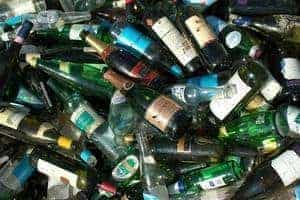
The fall has been linked to a decline in the price for packaging recovery notes (PRNs) for glass. The price for glass PRNs has dropped over the past two months due to a surplus of glass PRNs being reported in the second quarter packaging figures published in July 2010 (see letsrecycle.com story).
In glass – unlike other materials – the packaging recovery note (PRN) value acts as ballast for the price of the recovered material and underwrites a large proportion of its value. Therefore, the fall in PRN value is believed to have prompted the fall in the price for the recovered glass.
At present, the fall is said to have only affected the green and mixed glass streams, which are traditionally lower quality and in greater abundance. The price for these streams has fallen from £19-23 per tonne for green in August 2010 to £16-22 in September 2010, and from £13-18 per tonne for mixed to £13-16 over the same period.
However, reprocessors have warned that clear and brown glass are also “almost definitely going to be affected”, with one recycler claiming a £5 per tonne price drop was “on the cards”. Although, another glass recycler refuted this claim, stating: “There is always demand for flint [clear] and amber [brown], they won't be affected.”
The price of recovered glass has remained relatively stable since April 2009, when the price paid for all grades – clear, brown, green and mixed – fell by an average of £3 per tonne in a month. This latest decline would therefore mark the first considerable change in the marketplace for 18 months.
PRNs
One reprocessor, who wished to remain anonymous, said the drop was caused by the ‘record high' number of glass PRNs placed on the market.
Speaking to letsrecycle.com last week, the reprocessor said: “It is always that we could do a bit of a lower price but the second quarter figures were quite high in terms of seeing a strong PRN price combined with the fact that there were lots of PRNs about.”
The increased abundance of glass PRNs, which rose by 76,000 tonnes to 430,000 tonnes between quarter one and quarter two of 2010 due to contributing factors such as the summer and the World Cup, means that the value of glass PRNs has fallen from £17-19 per tonne to between £12-14 per tonne.
A spokesman for one glass recycling firm told letsrecycle.com: “If the PRN continues to fall, which I think it will, and goes to say, £1 or £2 per tonne, then we will see glass being taken FOC [free-of-charge] or at gate fee price on green and mixed.”
Another reprocessor said that glass is unique compared to other material streams, where the fall in PRN value usually coincides with a rise in material value, as reprocessors in other material streams seek to keep prices broadly consistent.
He said: “I can only think that the other material streams move the price [to remain consistent] while we cannot afford that luxury because the PRN is a much higher percentage of the value.”
“Dangerous”
Despite the decline in prices, British Glass has warned that it is “dangerous” to speculate as to the long-term impact of the packaging recovery note figures.
A spokesman said: “Obviously we have seen the same figures as everyone else and there is confusion as to what drivers there are behind it and there is a lot of speculation to what the real reason is. It is very difficult and dangerous to speculate about the potential for that to be a continued trend.”
“I think going forward it would be silly and scare-mongering to say that this is an ongoing problem. We are aware that there has been change and this is where we are but we can't really speculate and we don't want to cause problems. It is too early to tell.”
An industry expert added: “In the wider context, the fall in the glass PRN could actually benefit the wider market, as it has been felt that the glass PRN price has been artificially high for some time and this is something of a correction.”

Register for free to comment