


Local authorities should be able to decide whether they offer waste disposal to charity shops for free and should not be forced to do so, according to one waste disposal authority.
The West London Waste Authority – which provides the waste disposal function for the London boroughs of Brent, Ealing, Harrow, Hillingdon, Hounslow and Richmond – made the comments in its response to a consultation on reviewing the Controlled Waste Regulations 1992, which closes today (January 14).
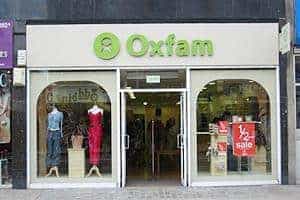
However, the consultation also proposes that waste from charity shops and re-use organisations which derives from households should be classed as household waste and therefore qualify for free disposal, in recognition of their role in reducing waste. Defra claims that currently this is often treated as commercial waste, with both waste collection and disposal charged for.
This has prompted criticism from the WLWA which claims that it should be at the discretion of local authorities instead.
A report prepared by WLWA director Jim Brennan and chief technical advisor Suresh Kamath in December 2010 reveals “some concern” over the issue.
The report said: “The new requirement to provide free disposal for charity shops and reuse organisations, which in the past have been treated as commercial enterprises when it comes to waste charging, is of some concern… whilst recognising the importance of supporting these institutions, there are a number of considerations”.
Chief among the WLWA's concerns are that:
-
The proposed change to the legalisation allows for free disposal of household waste from these organisations, but does not place a requirement upon them to recycle any unwanted donations. If a free disposal is allowed to these organisations they may not recycle as many of the goods as possible.
-
Not all of the donations received by these organisations are household waste, some donations are received from commercial and industrial premises particularly in terms of unwanted office furniture, etc.
-
Where constituent boroughs are collecting from charity shops as part of their domestic or commercial and industrial rounds it would be almost impossible to separate this from any other part of the waste stream, and therefore boroughs would be charged by the Authority for disposal of these items.
-
If a central depot or other reuse/recycling repair facility is based within the Authority area, it may lead to this Authority effectively subsidising household waste costs for waste that is being brought into that central depot by the Charity or Reuse organisation from outside the Authority area.
-
Increasingly charity shops operate on a commercial basis and could be considered by some retailers as direct competitors. Providing a free waste disposal service therefore could be considered a public subsidy or state aid to some charities/businesses.
CRA
Despite the WLWA's concerns, however, charity shops welcomed the proposed changes.
David Moir, head of policy and public affairs at the Charity Retail Association (CRA) – formerly the Association of Charity Shops, told letsrecycle.com that it made “absolute sense” to recognise charities for their role in waste prevention.
He added that there was no risk of charities not recycling material, as they both environmental and economic reasons to do so as they still had to pay collection charges on any waste taken off them by local authorities.
Commercial waste conference
The impact of recent legislation changes on the commercial waste sector will be discussed at 'Redefining Commercial Waste', a one-day conference being held by letsrecycle.com in London on March 9. For more information, click here.
He said: “It is not in charity shops' interest to do anything that increases their waste as they face collection charges so local authorities need not be concerned about any extra commercial waste coming their way. They are also well known as re-users – they make sure that waste does not enter the waste stream”.
Mr Moir said that the benefits for charities were that their waste bills would either remain the same – in areas where they were reaping benefits of the existing Schedule 2 of the regulations – or even fall, if they had be “incorrectly” charged for waste disposal in the past.
He added that the inclusion of a definition of a ‘charity shop' in the regulations would make it “impossible” for them to be misinterpreted by local authorities, unlike the Controlled Waste Regulations had been in the past. It also provided recognition of shops' importance in re-use, he said.
He commented: “These would be good outcomes, and we will be welcoming the two Governments' proposals in our consultation response”.
Cost
Despite its concerns over charity shops, the WLWA said it supported the main changes to the regulations, which are due to be introduced in April 2011. It said that it had set aside £1 million in its budget for 2012 to cover the cost of free disposal to Schedule 2 waste, but said “these sums will no longer be required and may be used to offset the Authority's operational costs in other areas”.
It added that the potential cost of disposing of waste from charity and reuse organisations was unclear, but would be subject to a detailed costing if progressed and provision made in the Authority's 2012/13 budget.

Register for free to comment