
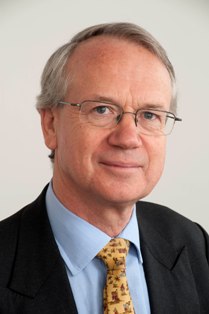
A slower than anticipated take-up of food waste collections by councils is among the obstacles currently hindering the growth of anaerobic digestion in the UK, according to the chairman of AD firm Tamar Energy.
Alan Lovell, who is also the companys chief executive, made the comments in his address to delegates at the Anaerobic Digestion and Biogas Associations (ADBA) national conference in London this morning (December 12).
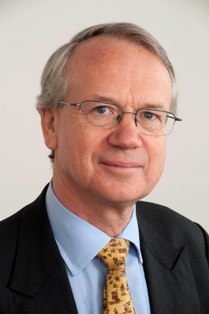
He explained that since its establishment in February this year, Tamar has secured around 97 million to bring as many as 44 anaerobic digestion facilities online, with a target to produce 100 MWh of energy production capacity over the next five years.
The company has also acquired several composting plants from Kent-based waste management firm Countrystyle along with four sites with AD planning permission, in a deal that was completed last month (see letsrecycle.com story).
But, he claimed that the complexity of acquiring funding, planning consent and the availability of feedstock were particular obstacles in the company achieving the goal.
In particular he explained that slower than anticipated growth in separate council food waste collections was leading the company to seek to treat additional organic waste streams.
He said: The take-up of food only collection has been somewhat disappointing, the number of councils doing so has actually dropped in the last six months from 73 to 70. The ability to handle commingled collections is something we are after.
Planning
And, on planning he explained that the company had encountered environmental obstacles as well as opposition to the development of AD facilities at a local level.
He said: We have faced every possible challenge, the great crested newt has cropped up, or at least Natural England were worried he might, and that kind of problem can set back projects by up to a year. Although AD forms a key part of government policy, in councils you can often find there is a lot of NIMBY-ism. It is frustrating but we will get there.
The issue is the sheer complexity of what we are trying to achieve. Having 44 projects on a spiders web of interlocked interests is not something that is to be desired. In an ideal world, we would, for example, use just one contractor across all of our projects but that is not practical, instead we will have to use three or four.
And, Mr Lovell explained that the company is seeking to get as many projects as possible off the ground, but is prepared to accept that a number of the proposed facilities may not be successful.
He said We are relatively lucky that we can build on the balance sheet and are not looking for project finance but even so it is very complicated and is bound to take some time. Our solution is to have a whole number of plants at the top of the hopper that a reasonable number fall through.
Incentives
Also speaking at the events morning session were ADBA chief executive Charlotte Morton, Professor Sir Brian Hoskins director of Grantham Institute for Climate Change as well as Jonathan Porritt, director of the non-profit environmental think-tank Forum for the Future.
Mr Porritt claimed that misconceptions around the role of incentives such as Feed-In-Tarriffs (FiTs) in helping to develop renewable energy uptake in the UK was preventing growth in the renewable energy sector, and pointed to Germany where he claimed the government has introduced the right level of incentive.
He said: In Germany, the incentive structure is absolutely right, but in this country they are referred to as subsidies as if this is not something we should be doing in a market economy. Our language around Feed in Tarrifs is so flawed it is no surprise that the public thinks it is an unacceptable use of taxpayers money.

Register for free to comment