

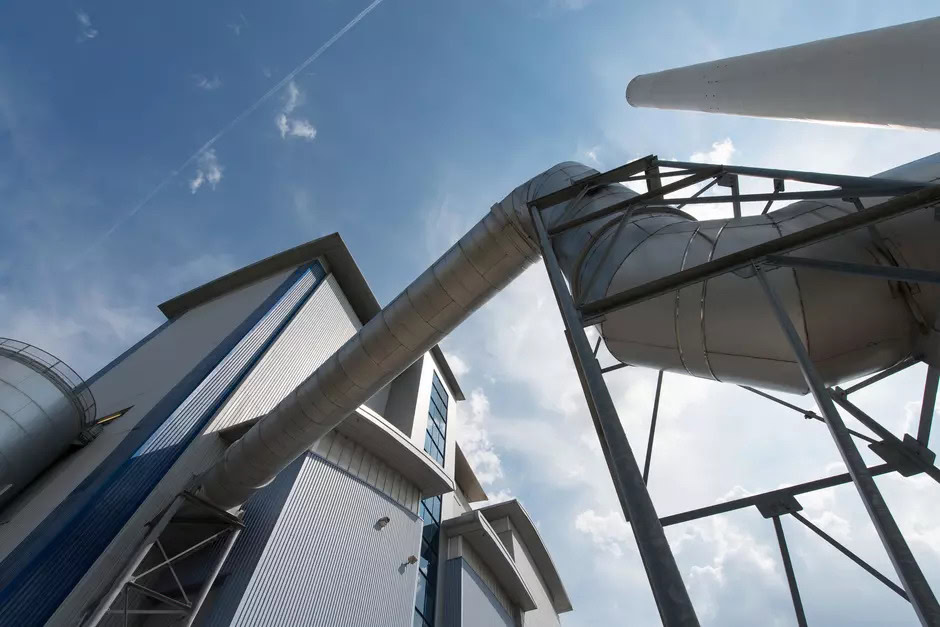
The publication, Energy from Waste Heat Networks – A Guide to Heat Offtake, explained that although heat captured from EfW facilities provide an alternative to conventional gas heating, this source of energy remains largely underused in the UK.
Head of Climate and Energy Policy at the ESA, Charlotte Rule, said: “In a world where extreme weather events are becoming common, and with energy prices expected to remain high, it is clear that our energy system needs transformational change.
“Creating a diverse, locally-produced, and environmentally responsible energy system will ensure greater security in the face of future shocks.”
Heat from waste
Heat produced as a by-product of industrial and waste management processes can be captured and distributed through district heating networks.
Currently heat from EfW facilities serve less than 3% of heat demand nationally, with only 12 of the 60 plants exporting heat at scale.
Recent additions include heat from Cory Group’s Riverside 1 EfW facility and Veolia’s South London EfW to supply heat networks in London.
According to the ESA, heat-network connected households could save between £4,000 and £22,000 over 25 years compared with conventional systems, particularly in dense urban areas where EfW networks are most effective.
Rule added: “With heating accounting for a third of the UK’s total emissions, and energy security under strain, EfW heat networks offer a cost-effective, low-carbon, and resilient solution.
“The guide published by the ESA today outlines the technical, commercial and regulatory considerations for developing heat offtake.
“With coordinated planning and investment, EfW heat networks could significantly reduce emissions and household energy costs while advancing net-zero goals.”
Interactive heat network map
The guide explained how EfW plants function and outlines each stage of developing a connected heat network, from assessing local heat demand to securing planning permission, contracts and environmental permits.
The document detailed the benefits of EfW heat networks and includes checklists of the key information required by both EfW operators and network developers to facilitate streamlined project development.
In addition, the ESA has launched an interactive online Heat Network Prospectus, which maps EfW facilities across the UK and provides data on each site’s heat potential and relevant contact details.
Despite the significant environmental and economic advantages, several barriers continue to limit EfW heat network deployment, the ESA explained.
These include high upfront infrastructure costs, uncertain heat demand, complex contractual arrangements and public misconceptions about EfW’s environmental impact.
To address these challenges, the ESA’s guide also encouraged stronger collaboration between EfW operators, network developers and local authorities, supported by government initiatives such as heat network zoning, which aims to identify and prioritise areas most suitable for district heating.
Want to find out more about EfW and heat networks? Join the ESA Webinar “Unlocking the Potential of Energy from Waste in UK Heat Networks” tomorrow (5 November 2025). Find out more or register for free here.

Register for free to comment