

The company has invested £1.25 million in the project and is using the XO22 developed by Advetec.
Go4Greener took delivery of the machine in September 2025 and, following several weeks of testing, has now processed its first load of washroom waste.
Once fully operational, the system is expected to convert around 4,000 tonnes of washroom waste each year into nearly 2,000 tonnes of fuel.
Samantha Turton, Managing Director of Go4Greener, commented: “Switching on the XO22 is a huge milestone – not just for Go4Greener, but for the entire waste industry.
“We’re proud to be leading the way in turning one of the hardest waste streams into fuel and reducing waste to landfill in the process.
“This is groundbreaking technology that brings real environmental benefits for our customers and the industry.”
Bathroom waste treated with biotechnology
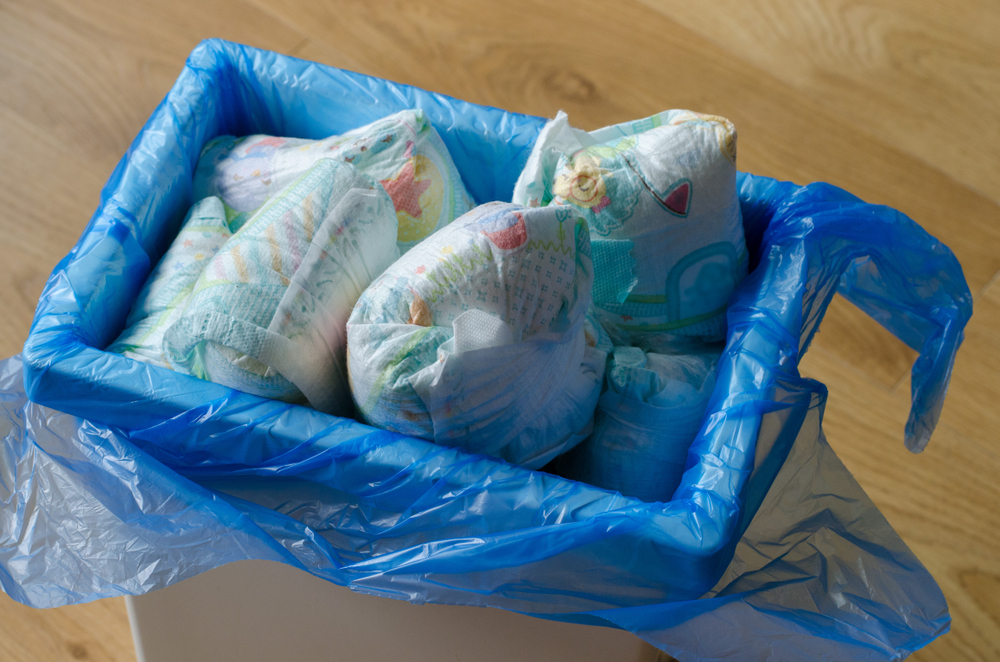
Bathroom waste – which includes items such as nappies, sanitary products and other hygiene materials – is often difficult to recycle and typically ends up being sent to landfill.
Lee Knott, Advetec’s Chief Executive Officer, added: “Faced with rising costs, labour shortages, taxes and a lack of infrastructure, the sector is crying out for a practical, scalable solution for washroom waste.
“Go4Greener’s adoption of the XO22 proves that biotechnology is not just the future – it’s here now.”
The XO22 uses naturally occurring biological processes, accelerated with biostimulants, to clean these hard-to-handle waste streams.
Through an aerobic rapid digestion process, bacteria break down contaminants within the waste, leaving behind only non-organic material. This residue can then be further treated and converted into fuel.
According to Advetec, the process removes the need for chemical or thermal treatment and can be completed within 48–72 hours. This compares with the traditional 16-week timeframe required for aerobic composting.

Register for free to comment