



On behalf of the minister, a spokesman for the Department said today that while Mr Stewart acknowledged the need to “do something” about the 2.5 billion cups thrown away each year – there are no plans to tax them.
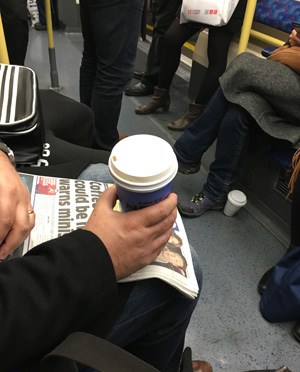
Speaking in Parliament yesterday (17 March), Mr Stewart was asked by Labour MP Rob Marris if the government could “look at the problem of wretched plastic-lined paper takeaway coffee cups” which “never get recycled”.
It follows reports in the national media earlier this week that the major coffee chains on the UK high street are misleading the public by claiming the cups can be recycled in the mixed paper stream – despite contamination issues arising from their polyethylene coating.
The issue garnered widespread attention after celebrity chef Hugh Fearnley-Whittingstall questioned the recyclability of the cups as part of his ongoing ‘Waste Not Want Not’ campaign.
Mr Stewart told MPs: “It is a huge problem—there are tens of millions of these things being produced and thrown away. As the hon. Gentleman pointed out, many cannot be recycled because of the way they are disposed of or because of their composition.
“The government have tackled plastic bags—I hope everybody in the House would agree that the plastic bag tax has been a success—and coffee cups seem to be a very good thing to look at next.”
Following the remarks, Defra issued a statement ruling out plans to tax the cups. A spokesman for the department told letsrecycle.com that Mr Stewart’s comments “had been taken out of context”.
Simply Cups
Responding to the coffee cup controversy, Simply Cups today said it has been working collaboratively across the supply chain to address the problem “for almost two years”.
Simply Cups, which collects from beverage and hospitality outlets within the Thames Valley area, is the only existing collection scheme for takeaway coffee cups in the UK. It was founded as a partnership between Australian waste company Closed Loop Environmental Solutions and Simply Waste in August 2014 (see letsrecycle.com story).
And, Peter Goodwin, Simply Cups co-founder, has expressed concerns that some products appear to say they are recyclable when they may not end up being recycled.

He said: “What is now apparent, following on from the debate of the last couple of days, is that the application of the recycling symbol on a product (from whatever industry) bears no guarantee that a product – whilst recyclable – is actually going to be recycled.
“At best, we believe that this may undermine confidence and create scepticism in what brands are trying to communicate to their consumers and, at worst, render the recycling logo completely worthless.”
Solutions
Mr Goodwin added that the firm has set a target to recycle six million cups by the end of 2016 – a tiny fraction of the total number in circulation. However, he claimed that “viable solutions are already available” to process many more.
Simply Cups sends its cups to James Cropper plc in Cumbria and ACE UK in Halifax. At these specialist facilities, the cup waste is placed in a warmed solution, which separates the plastic coating from the paper fibre. The polyethylene is skimmed off leaving behind a high-grade pulp substitute said to suitable for use in luxury papermaking and packaging.

Register for free to comment