


The extension comes as many in the sector have some concerns about the implications of the new standard rules system which could require implementation of some measures in just three months’ time.
Measures including in the consultation which have caused the most concern are those surrounding enclosed buildings and limits on tonnage.
The consultation, launched on 20 June 2022, now closes on 1 November. It reflects how the Agency proposes to withdraw the existing set of standard rules permits for waste operations in the non-hazardous and inert waste sector and replace them with new ones.
The Agency has explained: “We will move operators who have the existing permits onto the same new standard rules permits as those available for new operators. This will ensure consistent appropriate standards and consolidate and simplify similar permits. Some of the new standard rules permits will allow a wider range of activities, giving operators more flexibility.”
Compliance
Standard rules permits contain one condition which refers to a fixed set (or sets) of standard rules that an operator must comply with. The standard rules define the activities that an operator can carry out and specify necessary restrictions on those activities, such as emission limits or the types of waste or raw materials that can be accepted at the sites, the Agency has said.
Standard rules permits contain one condition which refers to a fixed set (or sets) of standard rules that an operator must comply with.
Any operator who wishes to carry out a particular activity at a particular site or sites can look at the standard rules and if they can comply with them, can decide to apply for a standard permit. This is a faster route to operating a site as the Agency explains: “We are able to issue the standard permit more quickly and cheaply because we have no decisions to make on site-specific permit conditions.”
To date a range of views have been expressed about proposed revisions to the standard rules regime with some serious concerns about tonnages allowed and the need for enclosed buildings. Sites such as household waste recycling centres might have to be.
Metals
The British Metals Recycling Association has said it welcomes the consultation but “the devil is all in the detail”.
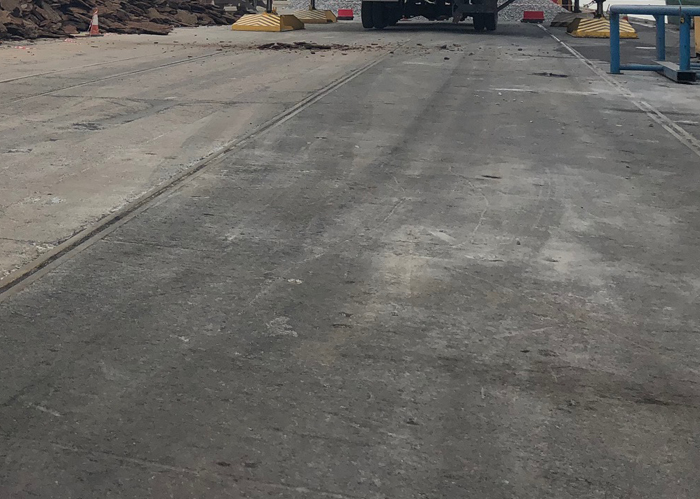
The Association is still to submit its full response but has said: “We have yet to understand whether the new permits will allow authorised treatment facilities (ATFs) to remove batteries from EELV and what charges will be levied. Given the risk of fire on a metals recycling site is not limited to WEEE treatment, we recognise the move to cover furnace-ready scrap under any fire prevention plans. However, we are concerned by the suggestion that hardstanding will have to be ‘rut free’.”
And, the BMRA added: “The very nature of the materials handled on a metals recycling site means there will be surface damage from time-to-time on to the hardstanding. We would urge the Environment Agency to protect our members from over-zealous officers who may not recognise that the sheer depth of the concrete hardstanding and the associated water capture systems means that scuffs and dents in the surface poses little to no risk to the environment.”
Wood
The Wood Recyclers’ Association has been positive about the changes so far. While it is still working on its response, the WRA said that for its members who operate under standard rules, the majority of the proposed changes are welcome.
Aggregates
Concerns have been expressed to the Environment Agency by the aggregates and quarrying sector which is involved in the recycling of large volumes of concrete and other construction materials into secondary aggregates.
While the Mineral Products Association is still shaping its response, Nicola Owen, director – environment, waste & water at the association, said: “ Our main concerns are around the enclosure of the facility if within 200m of a dwelling or workplace and the three-month period to comply with this for existing standard rules permit holders. There are many constraints such as obtaining planning permission, cost, the short timescales and practicalities of enclosure which may result in some aggregate recycling facilities no longer being viable.”
And, Ms Owen warned: “The proposals outlined by the Environment Agency have the potential to restrict the supply of recycled aggregates to the construction market. Requiring all aggregate recycling facilities operated under a Standard Rules Permit to be enclosed in a building, if they are within 200m of a workplace or dwelling, will potentially lead to the closure of sites and reduce the capacity for recycling construction and demolition waste into aggregate .
“This will generate more waste material to be disposed of, and any shortfall in the availability of recycled aggregate will inevitably be offset by the need for more primary aggregates. As an outcome, this appears to be delivering the complete opposite to Government’s ambitions around the Circular Economy.”
Construction
The concerns of the MPA were echoed by the construction products company Tarmac, which recycles large volumes of aggregate and is developing asphalt recycling.

Sharon Palmer, Tarmac’s national environmental permitting manager, said she had strong concerns about whether some of the proposals were proportionate and economically viable, adding that the new measures might actually harm moves by the sector towards a circular economy for aggregate materials and increase carbon emissions.
And, she warned: “While we are supportive of environmental management controls, some of the measures could see sites close.”
Mrs Palmer explained that some operators might have to close sites both because of tonnage restrictions of 75,000 tonnes per year and on an economic basis that the requirement to have activities contained within an enclosed building would be costly, and might not gain planning permission.
She pointed out that site closures could see large volumes of aggregate material for recycling having to travel longer distances. “The Agency needs to take these points on board and also recognise that issues such as opening hours are often controlled by planning permissions and that stockpiles of material can be controlled.”

Register for free to comment