



The treatment and segregation of waste is now taking place routinely at dozens of plants across the UK to ensure maximum value can be extracted, whether by recycling, digestion or energy recovery prior to final disposal.
As more waste is treated the facilities themselves must be automated to deal with large volumes and to operate on a continuous basis. However there will always be some residues once the most valuable and easiest to extract materials are separated.

Calorific value
Depending on their source these residues can nonetheless contain sufficient calorific value to be converted into feedstock for energy generation; refuse derived fuels (RDF). For example residues from commercial and municipal waste may contain fragments of energy rich wood and plastics.
With the high cost and dwindling availability of landfill, there is increasing economic pressure for waste processors to minimise the land filling of residues so going forward there are increasingly more commercial opportunities for the production, supply and use of RDF. This is one that we in Biffa recognise and are investing heavily in with locally based facilities to process wastes close to their source.
However with any new market opportunity comes risk and uncertainty. Potential producers of RDF must select the right residues and equipment from which to produce it. As well as the capital cost implications, RDF production will require integration into existing waste management sites and have its own skills requirement. This will probably come more easily to waste managers accustomed to processing wastes to create products for recycling.
Immature market
However a harder issue to tackle will be the fragmented and immature market to sell RDF. Those dealing in large volumes such as Biffa are able to sell overseas to power stations in continental Europe whilst the infrastructure is built out in the UK. Others will seek to supply smaller scale energy plants. Some of these may be dedicated WID compliant waste incinerators others biomass plants using a proportion of RDF in their feedstock. In both cases the economic case for both RDF production and energy production from it is unproven or at least in its infancy in the UK. The challenge will then be securing finance for any facility either producing or using RDF.
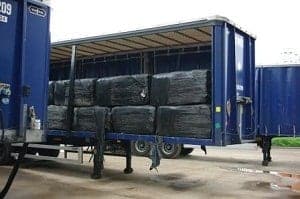
And if recent television reports are to be believed, the scope for illegal operators is immense with cases already in the courts of un-licensed operators being shut down leaving rdf piled high in storage facilities with no destination and no owner.
Conclusion
In conclusion there is undoubtedly a strong commercial opportunity for RDF but, as ever in the waste industry, one littered with challenges. It will be interesting to see who wins. and this in itself can cause an environmental issue.


Register for free to comment