

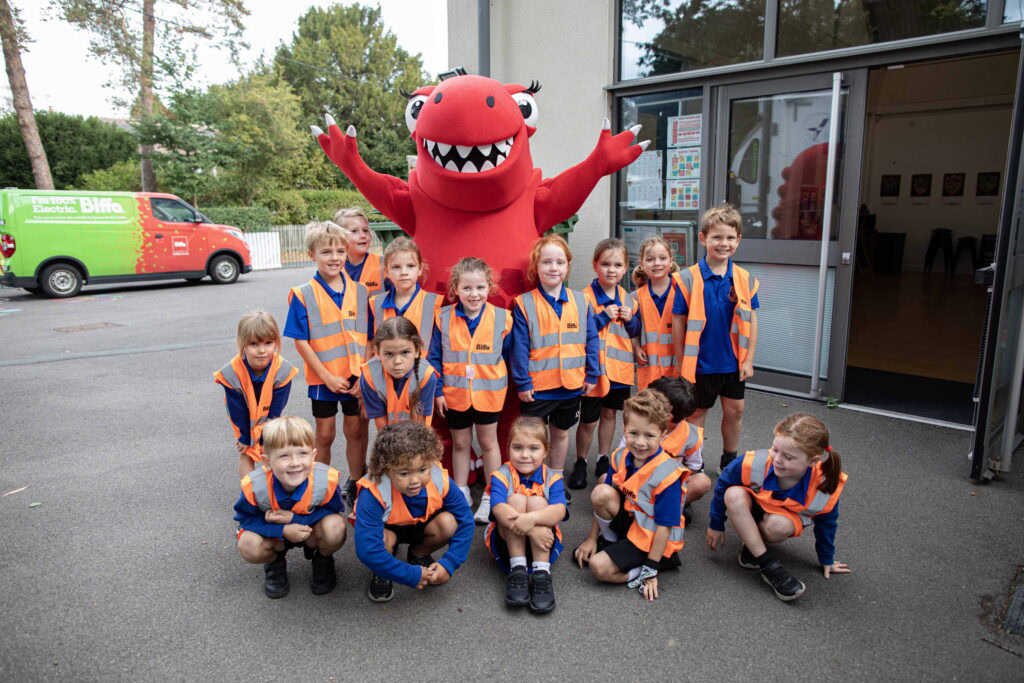
Research commissioned by Biffa and conducted by Censuswide, surveying 3,000 UK adults and 1,000 children aged five to 16, found that environmental education is having an impact beyond the classroom.
Some 86% of adults said their children’s environmental education had influenced their household’s recycling habits, while 88% of families said their child’s education had helped them reduce food waste.
The research also found that around seven in 10 children had encouraged their family to save electricity (68%) or water (69%).
More than one in five parents (21%) said their children had corrected them for recycling incorrectly, while 58% of children said they knew more about recycling than their parents.
Almost eight in 10 children (78%) also said they could teach adults how to look after the environment.
Georgia Gibson, Biffa’s social value manager, commented: “Never underestimate the pester power of children.
“What starts in the classroom can quickly make its way into the family home, with children encouraging parents to recycle more, waste less food and make greener choices.”
She added that the findings showed children were becoming “passionate advocates” for sustainability and could help turn “good intentions into everyday habits”.
The research follows findings from Mumsnet, which Biffa said had analysed 60,000 conversations and found recycling to be a prominent topic in discussions about family life.
Generational divide in recycling habits
The survey also explored differences between generations when it comes to waste habits.
More than two-thirds of respondents (68%) said older generations were better at repairing broken items, while 65% believed they were better at reusing items than people today.
Household recycling habits also appear to be a source of disagreement, with 29% of families saying they argue over someone putting items in the wrong bin.
A further 23% said they disagree over rinsing items for recycling, while 17% argue over who puts the bins out.
The research found that 66% of men said they were likely to put the recycling out, while 66% of women said they knew what could and could not be recycled.
Biffa said its findings support evidence that environmental education can influence behaviour beyond the classroom.
The company runs its Wasteaters education and community engagement programme, which aims to educate young people about waste, recycling and sustainability.
The programme has reached more than 45,000 young people across the UK, according to Biffa, with the company aiming to engage 55,000 schoolchildren.
It also includes the character Whitney the Wasteater, as well as a children’s storybook, Whitney the Wasteater and The Wrong Bite, which aims to teach children about reducing waste and recycling correctly.
Gibson added: “By giving young people the knowledge and confidence to speak up, we’re helping them become catalysts for positive environmental change at home and in their communities.”

Register for free to comment