

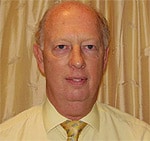
Terry Bradley has been appointed as interim procurement director for the Merseyside Waste Disposal Authority as it seeks financial support for the contract from the government through the Private Finance Initiative.
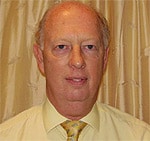 New MWDA interim procurement director, Terry Bradley |
The Authority is responsible for the waste disposal for councils including Liverpool, Knowsley, Sefton, Wirral, and St Helens.
The long-term contract for Merseyside's waste management is expected to begin in 2008.
Mr Bradley has been appointed on secondment from the Public Private Partnership Programme (4Ps), the government's support agency for local authorities working in partnership with the private sector.
Recruitment
As well as working with the MWDA on the submission of an Outline Business Case to government for funding expected in March 2006, Mr Bradley will be responsible for the recruitment of a full-time Director of Procurement for the contract.
Councillor John Fletcher, chairman of MWDA, said: “Terry will be working alongside director Carl Beer, and joins the Authority at both and exciting and challenging time.
“We are confident that with his help and the support of a new in-house procurement and project management team that MWDA can work with all of the five local Councils across the region to deliver value for money, innovative and effective solutions for their waste disposal and new recycling and waste minimisation initiatives. We are delighted to have him on board.”
Strategy
The Merseyside region produces over 800,000 tonnes of waste each year, of which just over 10% was recycled in 2003/04. With waste growth rates currently at about 3%, the region could be generating more than 1.1 million tonnes of waste each year by 2020.
The MWDA finalised its 25-year joint waste management strategy this summer, which set targets including a 44% recycling rate by 2020 (see letsrecycle.com story). Under the Landfill Allowance Trading Scheme, the Authority must reduce landfill rates to just 13% by 2020.
Under the strategy, all councils will put in place multi-material kerbside recycling collections by 2010 – including garden and kitchen waste – allowing residual waste collections to switch to fortnightly.
| Related links: |
For residual waste, the strategy suggests that the most likely technologies used will be mechanical biological treatment, anaerobic digestion, autoclave (steam treatment) or energy-from-waste recovery.
The long-term challenge posed by waste management in Merseyside will be made tougher by the 3 billion of construction projects expected in the region up to 2008 – including Europe's largest retail development in Liverpool city centre.

Register for free to comment