

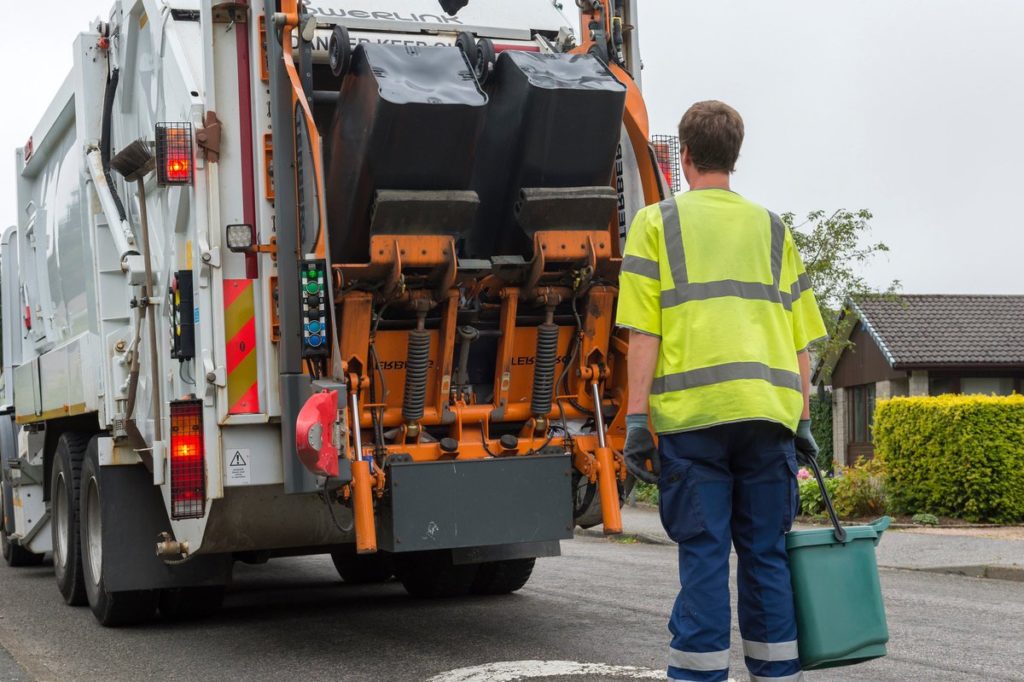
The plans to change the frequency of residual waste collections, in hopes to improve recycling rates, were approved by the council’s Infrastructure Committee back in 2019. However an application for funding of £3.2 million to Zero Waste Scotland was declined.
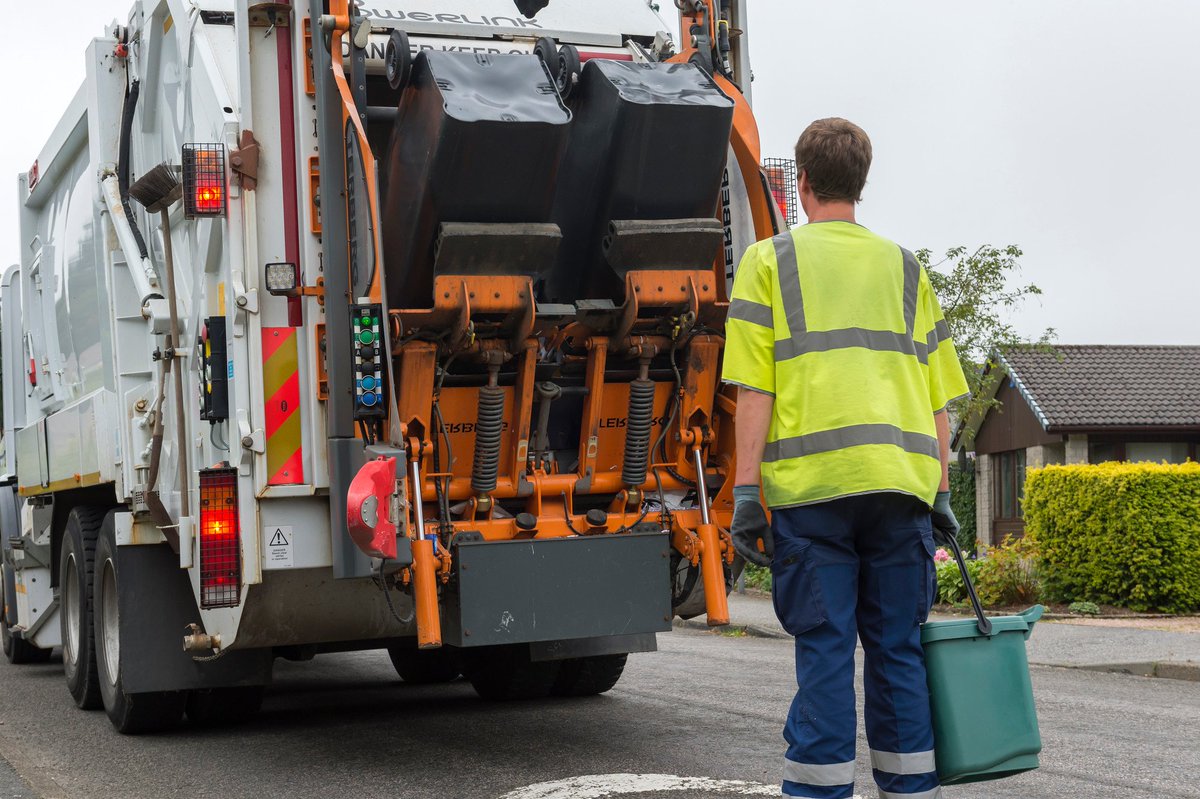
Issues with funding, closely followed by service delays because of the pandemic, meant that the plans were then put on hold.
The council confirmed to letsrecycle today that they are now in the “early stages” of submitting a bid for Zero Waste Scotland’s £70 million recycling improvement fund, which was launched in March (see letsrecycle.com story).
An Aberdeenshire council spokesperson said: “Over 70% of the waste we produce in Aberdeenshire is recyclable using the existing recycling services provided by the council, the crux is to get residents to use the services provided.
“One of the most effective ways to encourage recycling is by reducing the black refuse bin capacity, plans for which were approved by Infrastructure Services Committee in 2019, but were put on hold due to funding issues and Covid-19.”
Plans
Under the proposed plans, 120,000 240L bins for residual waste will be distributed to all households across Aberdeenshire.
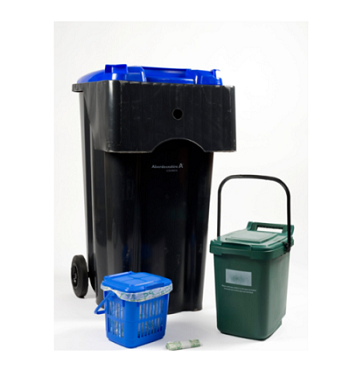
Residents will also have the blue-lidded bins for mixed dry recycling.
The new plans will see one bin and a food waste caddy collected every week on a rolling three-weekly rota.
The materials that can be recycled on the kerbside will remain the same, but the blue-lidded recycling bin will be emptied more often (twice in every three weeks).
Aberdeenshire Council currently collects fortnightly, with a grey bin for landfill waste and a blue bin for paper, card, tins, cans and plastic.
Once the new system is implemented, the council hopes to raise its current 44% recycling rate to over 50%.
Costs
It is thought that this new system has the potential to divert around 17,000 tonnes from landfill, and reduce annual operational costs up to £1.39 million.
While the council anticipates a one off investment of around £4.3 million is required for implementing the new kerbside collection system, it is thought that funding from Zero Waste Scotland could “significantly reduce” the funding required from the council to as low as £1 million.

Register for free to comment