


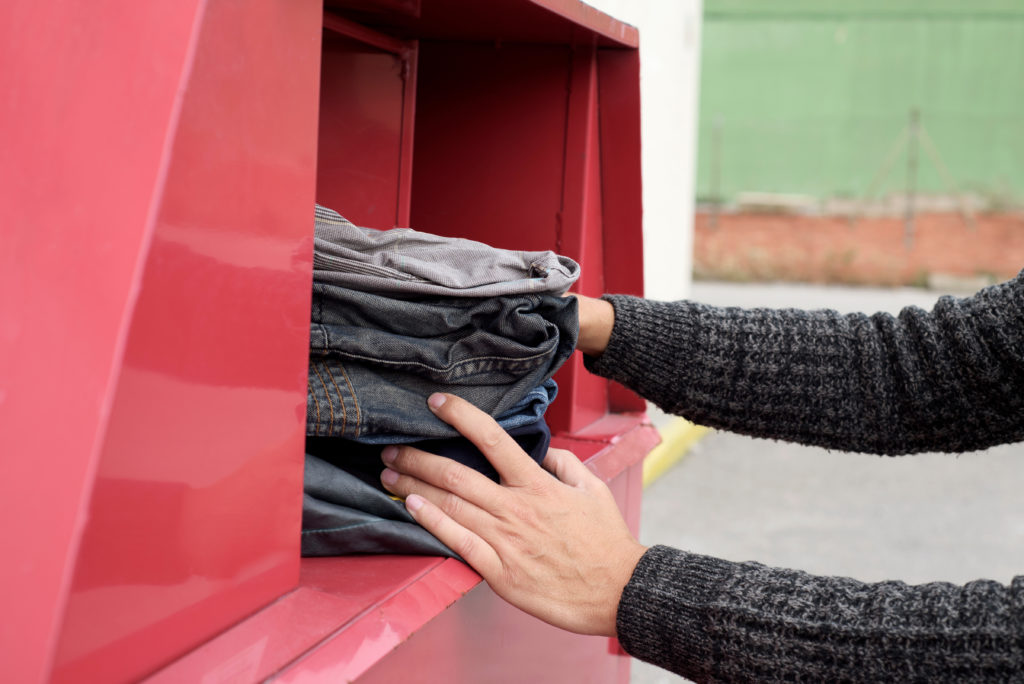
The latest global consumer survey found that 43% of UK consumers donate clothing they no longer wear, significantly above the global average of 31%.
Meanwhile, 31% said they recycle unwanted garments, compared with a global average of 29%.
The findings place the UK among the leading nations for extending the life of clothing through donation and recycling routes, with “donate” and “recycle” emerging as the two most common responses when consumers were asked what they do with clothes they no longer wear.
Only consumers in the United States reported higher levels of clothing donation, with 46% saying they pass unwanted items on through charitable or reuse channels.
For recycling, Germany recorded the highest rate at 47%, followed by Italy at 32%, narrowly ahead of the UK’s 31%.
The survey also suggested that UK consumers are increasingly rejecting so-called “throwaway culture”. Just 22% of respondents said they throw away clothing they no longer wear, below the global average of 26%.
This contrasts sharply with other major markets. More than half of consumers surveyed in Japan (56%) and France (53%) said they dispose of unwanted clothing through the waste stream.
Andrea Samber, Director of brand partnerships for Cotton Incorporated, commented: “We spoke to nearly 10,000 global consumers in China, France, Germany, India, Italy, Japan, Mexico, UK and US, and are thrilled to see UK consumers leading the way in donating and recycling clothing they no longer wear.
“Through the Cotton Lives On™ recycling programme we encourage brands to participate and increase the levels of clothing brands and consumers are giving and recycling, diverting away from landfill.”
Consumers continue to donate clothing amid second-hand textiles sector pressures
The survey results arrive at a difficult time for the textiles reuse and recycling sector, which continues to face significant structural and market challenges.
While consumers appear increasingly willing to donate and recycle unwanted clothing, operators across the textiles value chain report growing difficulties in finding sustainable outlets for collected material.
The sector has been particularly affected by the continued conflict in the Middle East. Many traditional export markets for second-hand clothing are located within the region or rely on transport routes that pass through affected areas before reaching destinations such as Pakistan and other Asian markets.
These geopolitical pressures have added to an already challenging trading environment.
Industry participants have repeatedly warned that the rapid growth of ultra-fast fashion is undermining the economics of textile collection and reuse.
Traditionally, unsold clothing from charity shops and textiles banks would be purchased by collectors, sorters and processors, who grade garments and prepare them for export to reuse markets in Africa and Asia.
However, operators say the increasing prevalence of low-quality ultra-fast fashion garments has weakened demand from overseas buyers. Items that once would have found a second life through reuse markets are becoming more difficult to place, increasing disposal costs for collectors and processors.
As a result, significant volumes of collected clothing that cannot be reused are ultimately sent for energy recovery or landfill.
Find out more about the second-hand textiles market in our May market report.

Register for free to comment