

The proposal, which would cost just over £500,000 to implement, will be considered at a meeting of the Isle of Anglesey county council’s executive next week (25 January).
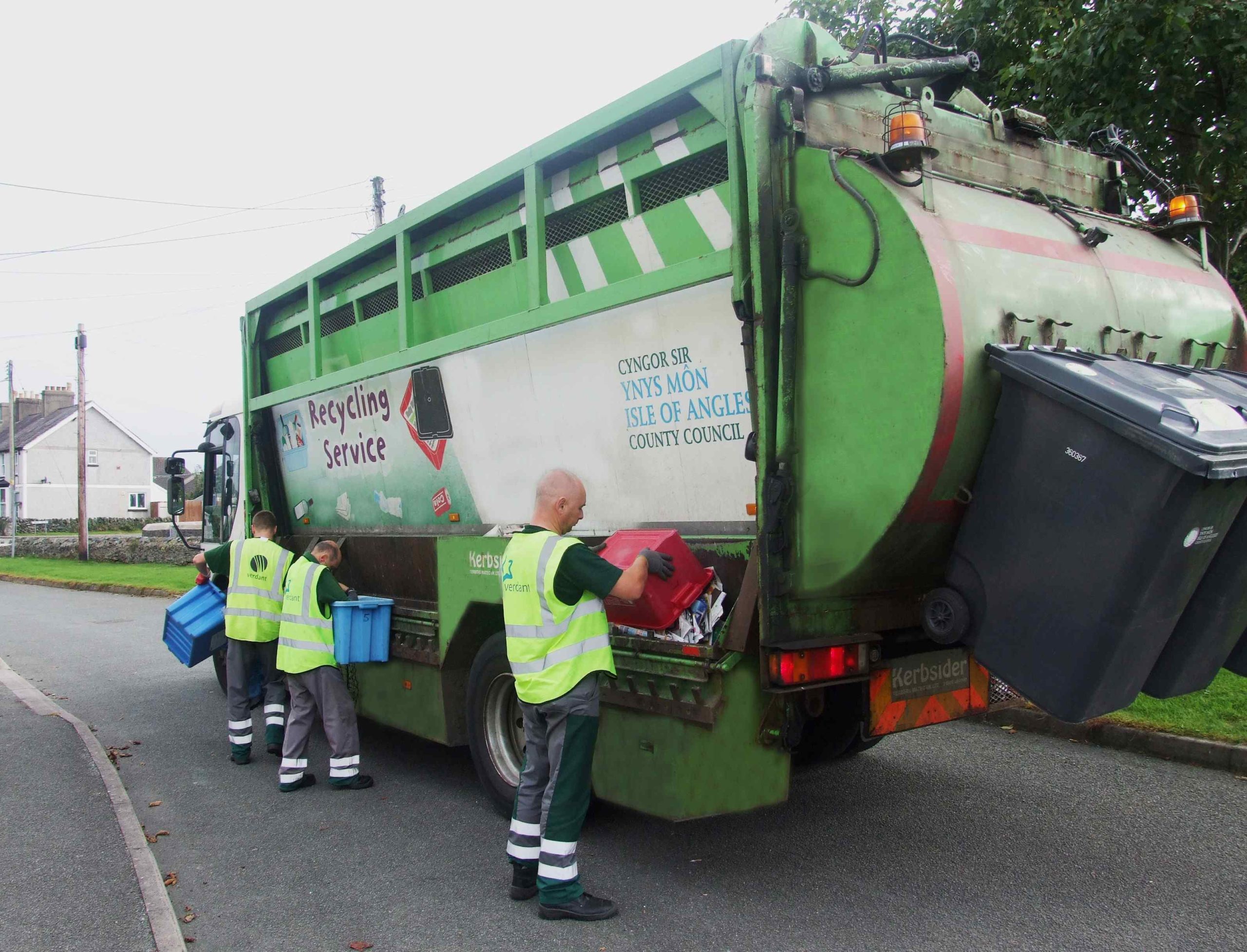
The capital would be required to purchase additional recycling bins to expand the range of plastics collected from households, a new baler to process the materials and additional communications to announce the changes.
The council also hopes to gain external funding from the Holyhead Vibrant and Viable Places Programme and WRAP to purchase 12,000 stackable trolley boxes to be distributed during 2016.
Target
The decision comes as the council looks at how to drive up recycling in time to meet the Welsh Government’s ambitious 70% target by 2024/25.
In 2014/15 the council found that its recycling rate had ‘plateaued’ at 55% – below the 58% recycling target Welsh authorities are required to meet over the next financial year. The council calculates that for every 1% failure to meet the targets, it would have to pay around £80,000 in fines.
In November, householders in Anglesey were presented with a consultation outlining a number of options, which included introducing smaller residual bins while maintaining fortnightly collections of recycling.
However, a waste collection report produced by officers found the option is not cost effective, requiring a capital budget of £1.25 million and generating annual revenue savings of just £46,000 per year.
The report suggests that while three-weekly residual waste collections are the most popular option with residents in the area, the change would still deliver half the annual revenue savings of a four-weekly system with a lower performance benefit.
Eunomia
Following an appraisal of different kerbside systems carried out by waste consultancy Eunomia, it was found that the three-weekly service with a stackable trolley box would only see Anglesey’s recycling rate increase to a maximum of 68% by 2024/25 – culminating in a £260,000 fine.
But Eunomia suggested that by reducing frequency to four-weekly, Anglesey would comfortably meet the 70% target even without the need for a trolley box.
The report adds: “From a survey of authorities who have switched to three weekly residual collection, it was highlighted that many of these saw no reason why a four weekly residual waste collection service could not work, with the added benefits of additional recycling and improved financial savings.”
Eunomia forecasts that by switching to a three-weekly or four-weekly service, the council could expect to save £108,000 and £253,000 respectively.
Biffa
However Biffa, the authority’s recycling contractor, puts these savings at a lower estimate of £18,000 and £168,000 respectively.
The report states: “This disagreement between the level of resources required is not unusual, and in all likelihood an expected outcome of such a process. In summary, the consultant’s analysis is based on a complex computer modelling programme using Anglesey data plus information from other examples across the United Kingdom, whereas Biffa’s analysis is based on their own direct experience of managing frontline waste collection services.”

Register for free to comment