

In October, the Authority first noted that it may be on course to exceed its proposed c£170 million spend for the year. This warning was reiterated at a meeting in December and again at a meeting of the Authority’s Resources Committee on Tuesday (19 January).
The overspend has been linked to problems with the operation of anaerobic digestion plants, as well as increased spending on insurance premiums and higher than anticipated arisings of residual waste going to refuse derived fuel (RDF).
The Authority is tied into a long-term waste contract with Viridor Laing, signed in 2009, worth an estimated £3.2 billion to the contractor over the course of its 25-year lifespan. The contract sees Viridor Laing handle an estimated 1.1 million tonnes per year of waste, produced by a population of around 2.3 million.
The contract involves the development and operation of a total of 42 facilities for the management of waste from Bolton, Bury, Manchester, Oldham, Rochdale, Salford, Stockport, Tameside and Trafford councils across the Greater Manchester area.
Over Hulton
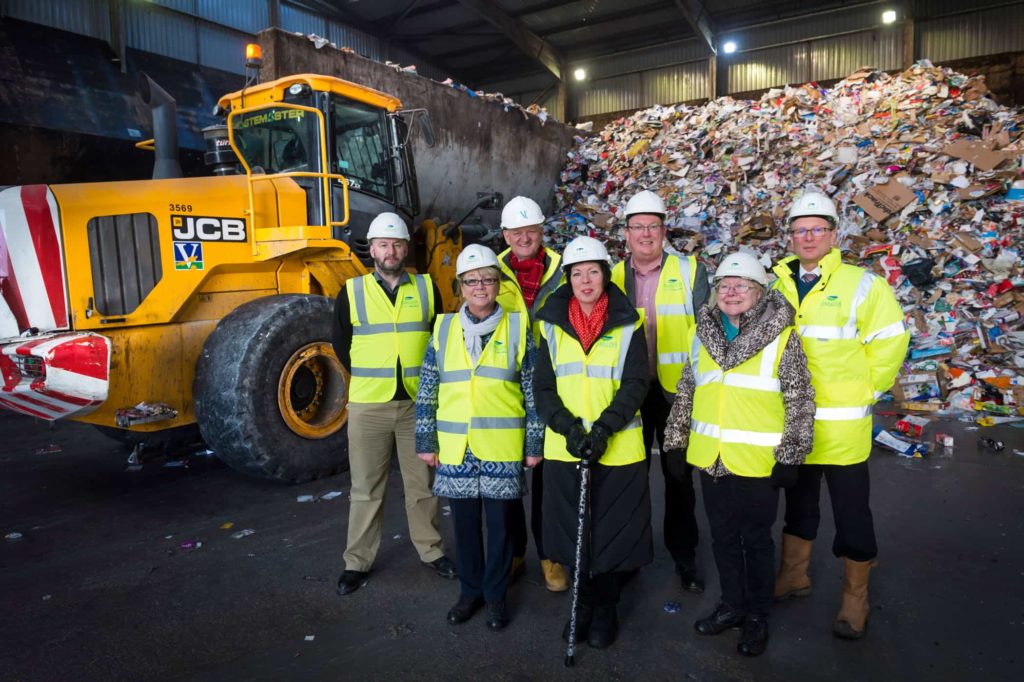
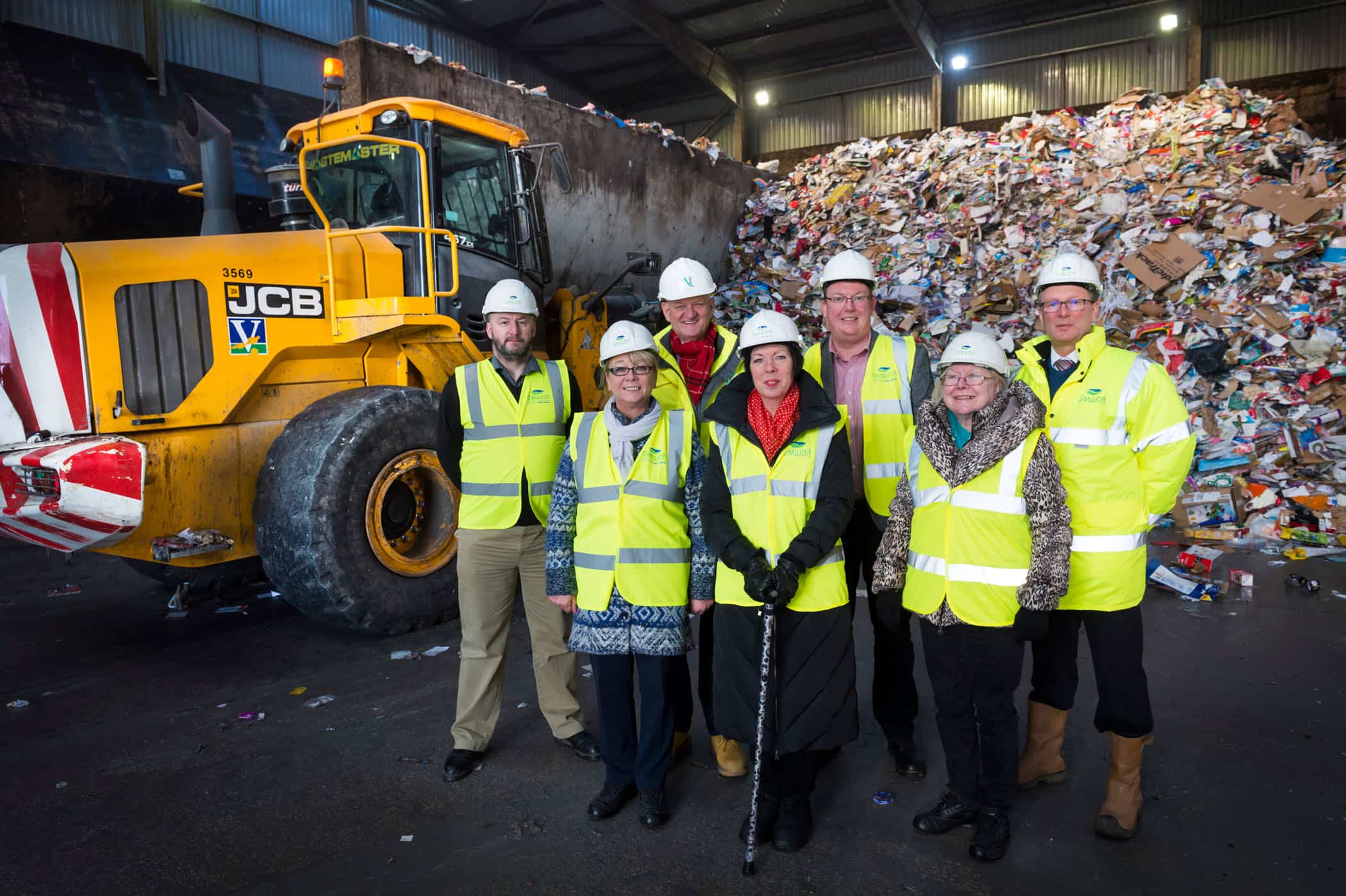
The latest in the long line of facilities being developed under the contract was unveiled last week (15 January) by North West MEP Theresa Griffin and GMWDA chair councillor Catherine Piddington at Over Hulton, Bolton.
The Over Hulton site includes a household waste recycling centre (HWRC) and waste transfer station – as well as a £2 million solar farm, used to power an adjacent in-vessel composting site, which had already been operational.
However, documents submitted to the Resources Committee ahead of the meeting on Tuesday note that an increase in costs has occurred due to the ‘limited functioning’ of the anaerobic digestion part of the residual waste system.
AD
A total of four AD plants are operated on behalf of the Authority, located at Longley Lane and Reliance Street in Manchester, Cobden Street in Salford and Bredbury Parkway in Stockport – processing the organic fraction from residual waste.
The documents add that: “All options are being explored to expedite those remediation works to bring the processes back on line as soon as possible.”
Among other reasons cited for the overspend in the Authority noted that an increase in the amount of waste treated as RDF and processed at the Runcorn Thermal Power Station, had in part contributed to the increase in costs.
The Authority also warned that a tightening of the insurance market – due in part to a large number of fires in the waste sector – is also likely to contribute to an increase in spending.
The overall cost of the GMWDA contract has previously been under intense scrutiny after the then Communities Secretary Eric Pickles described it as a ‘shoddy deal’ for the local authorities involved.

Register for free to comment