


The authority is keen to increase its recycling rate beyond the 40.2% recycling rate it achieved in 2013/14 – and closer to 50% by 2020.
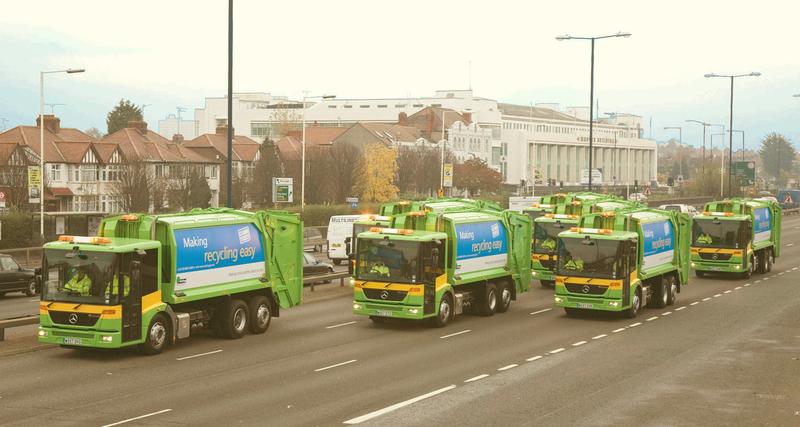
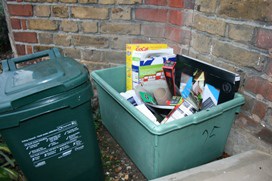
Currently, residents receive a weekly collection of waste and recyclables, with plastics presented in a reusable white sack, a green box for paper, cardboard, glass and cans as well as textiles, alongside weekly black sack collections of residual waste. Some areas of Southall, North Acton, Alperton and Sudbury already have wheeled bins for refuse.
The council also operates a chargeable garden waste service – which is collected from registered homes every fortnight, and a weekly food waste collection services, for which many properties have been provided a 23 litre food caddy.
Fortnightly
However, the council estimates that by changing the service, including changing the collection frequency of recycling and residual waste collections to run on an alternate weekly schedule, as well as introducing wheeled bins for both residual and recyclable waste, it can achieve savings of up to £1.7 million per year, and increase recycling by around 7%.
Cabinet members are to vote on the proposed changes on Tuesday, which will involve spending around £3.6 million on 183,000 new bins. Council officers have cited the ease of use of a single commingled container system for residents and a reduced risk of vermin as reasons to approve the changes.
TEEP
The council has also assessed the system in terms of its compliance with the separate collection requirements under the Waste (England and Wales) Regulations, applying the technical, environmental and economically practicability (TEEP) test.
In its report, Ealing notes: “This method of collection has been used successfully elsewhere. The most recent published information (2013/14) from WRAP suggests that 71% of councils of councils in England and Wales collect residual waste fortnightly, 95% provide weekly kitchen/organics collections and half operate a dry mixed recycling collection.
“Performance increases in other councils have been impressive. Aylesbury Vale, in Buckinghamshire had one of the lowest recycling rates in the country in 2010/11 at 21%. In September 2012, a new alternate weekly collection system was introduced and recycling jumped to 38% in one year and now stands at 51% as more and more residents embrace the new system.”
Elsewhere the authority also notes that the cost of kerbside sorted collection is significantly higher than commingling due to the additional time at the kerbside and uncompressed waste requiring frequent tipping.
Ealing’s waste and recycling collections are currently carried out by contractor Amey.

Register for free to comment