


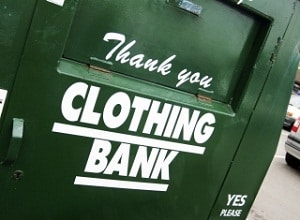
Late last month (January 30) two major textile charities – the Salvation Army and TRAID voiced their concerns that they were being squeezed out of the textile bank market as cash-strapped councils sign contracts with private companies who can offer more competitive prices for the material (see letsrecycle.com story).
But, following this private textile collectors have said it is not just charities losing out but private companies as well, which often operate the banks on behalf of the charities.
The Textile Recycling Association (TRA), the UKs trade body for used clothing and textile collectors, sorters and reprocessors, said that councils decisions to remove multiple operators from sites, whether they are charities or private companies, and replace them with one contracted operator had a strong impact on the revenue of those they forced to remove.
Alan Wheeler, national liaison manager for the TRA, said: Where local authorities have made the decision to tender textile bank collections operating on their land, all textile bank operators, except the one that wins the bid, have been ordered to leave the sites. Not only has this affected the wide portfolio of local and national charities that use these forms of collections to raise funds, but it also affects the numerous businesses that operate the banks on the charities behalf.
Business
Mr Wheeler added: The impact is also felt strongly by those businesses that operate clothing collection banks, which support thousands of paid workers in the UK and which lose much needed revenue when they are asked to remove their clothing collection banks.
The majority of charities that run textile banks in the UK have a commercial agreement with private businesses that operate the banks on their behalf.
Often, the private company will pay the charity revenue based on the tonnage collected at the site, which can represent a significant proportion of the net profit. Mr Wheeler said that some charities income rates are competitive, at a few hundred pounds per tonne of material, which is comparable to the net profits generated by charities when they sell the clothing through second-hand shops.
Fundraising
Related links
Related links
Mr Wheeler said that of the major charities operating textile banks in the UK, only TRAID and Oxfam Wastesavers were operated entirely by their fundraising arm, and not by a private contractor.

Register for free to comment