


Commenting in the quality and quantity of material available, he said: “Amid the recession, members of the public with a reduced disposable income have increased their purchases of second-hand clothing from charity shops, thus resulting in a product for the sorter of textiles that is lower in quality and smaller quantity.”
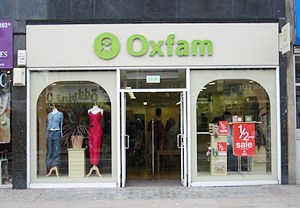
Mr Ralph cited media reports that revealed Oxfam had already experienced a 12% drop in clothing donations, and claimed the market had been hit by African buyers of used clothing “struggling” to make sales and currency exchange.
His comments echo those made by textile recyclers last month, who told letsrecycle.com that the stronger pound was squeezing the African markets, which are traditionally one of the most important outlets for textiles collected in the UK.
Mr Ralph also claimed that UK sorters had been hit by an “insatiable” market for clothing collected at the kerbside from the Baltic States, which was pushing the purchase price for material to “unprecedented levels”.
Theft
And, he revealed that textile theft was an increasing issue, explaining that: “The high value of textiles has resulted in wholesale theft from charity banks and household collections which is effectively depriving charities of substantial amounts of money.”
Textile prices have remained at historically high levels for several months now, though industry sources have said that they believe the situation in Africa is creating downward pressure, with buyers there looking for UK sorters to reduce their prices.
Mr Ralph called on the UK government, councils, charities and collectors to work to “overcome” the problem of falling donations to charity shops and textile banks.
In particular, he cited the work being done as part of Defra's Sustainable Clothing Roadmap project, both to maximise clothing and textiles collection and to drive new markets for down- and up-cycled products.

Register for free to comment