



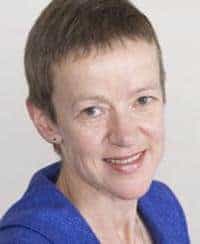
We hope to have our next set of proposals by the end of September for the Secretary of State. This is a great opportunity for us to look at what this delivery strategy means
Dr Liz Goodwin, WRAP
At its AGM in London earlier this month, WRAP chief executive, Liz Goodwin, told members that she wanted to put into context for them Defra's delivery landscape measures concerned with resource efficiency, “Defra asked us to be the lead body for resource efficiency.”
Mention was made of some of the big successes of WRAP over the past 12 months, such as in its Courtauld Commitment with retailers and getting food waste on to the national agenda, but the emphasis was on the future.
Dr Goodwin explained to letsrecycle.com that the work now in shaping the new delivery landscape saw WRAP having talks with the department and receiving a “strategic steer” as to what it was looking for.
In particular, Defra encouraged WRAP to assess priorities across activities and this is leading to a programme likely to include work on design and minimisation for resource efficiency, work on reprocessing and markets, business efficiency plus a local authority focus on alternatives to landfill at least cost.
So, WRAP is now putting together its formal response and how it hopes to deliver a change in strategy, says Dr Goodwin. “We hope to have our next set of proposals by the end of September for the Secretary of State. This is a great opportunity for us to look at what this delivery strategy means.”
As yet, it remains somewhat unclear as to what will happen to all the organisations involved, including Envirowise and NISP, and as to whether these will be merged or still operate independently. WRAP looks likely to have to spell out how it will operate as the lead body and some of the organisations involved are thought to be happy to work with WRAP, while others are less keen.
Dr Goodwin says: “We will be responsible for the delivery – this could be by a whole range of options. We could bundle these together and could operate with a framework of contracts. We will all be coming though with the same message.”
Cost
Actual cost savings are still to be determined but the overall budget seems unlikely to rise and WRAP is aware of potential spending cuts next year and beyond.
WRAP's work itself will continue to be linked in with the economy in the sense that it will also continue to look at “reprocessors and end markets in relation to energy-from-waste. We are clear there is not any market failure but it is important to understand the market economics”.
The next business plan for the organisation looks likely to be radically different from those in the past. Created to deliver on markets for recovered materials, WRAP will be moving beyond this, says Dr Goodwin.
“We will be moving WRAP on from helping with the markets for materials. We need to think much more about desiging out waste, consumption issues and factors on the product side,” she says.
Dr Goodwin continues: “This is what Defra has asked us to do and the challenge is to identify the thing we can do really well. WRAP has always been focused and I am very keen that we stay focused – we don't want to duplicate work. We will also be consulting with Wales and Scotland which play an important part in what we do and see what is coming out from there.”
The input from Scotland and Wales is important because the pair have differences in their priorities with more focus on zero waste and higher recycling.
A review of quangos is likely to be on the agenda of political parties ahead of the General Election and Dr Goodwin concedes: “I am sure we will be reviewed. This is nothing new for us and I think it's a very important agenda and very important that we deliver and are aligned to the government's agenda in terms of effectiveness and delivery.”
In the meantime WRAP is continuing with a range of activities including a major material project, with a bid to see mixed cullet used in the glass making process and work with local authorities to develop a code of practice, particularly with regard to communication.


Register for free to comment