

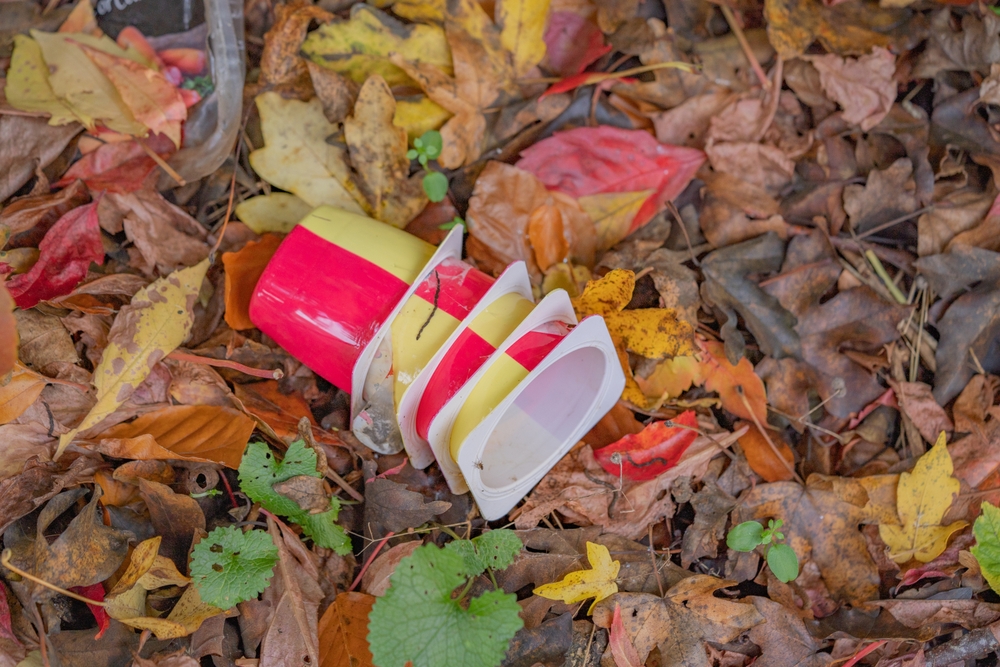
Under its Recycle Now campaign, the environmental NGO said that items such as shampoo bottles, yoghurt pots, aerosols and cardboard boxes retain significant material value when properly separated, but are losing this value when being placed in general waste.
The organisation estimates that most UK households throw away an average of 2.5 recyclable items per week. This equates to around 2.3 billion items annually that could otherwise be collected and processed.
Value of recyclable materials
WRAP outlined indicative market values for commonly collected materials, alongside avoided disposal costs.
For example, one tonne of clear glass can generate between £7 and £39 in recycling revenue, while avoiding incineration costs of £92 to £110 per tonne. This produces a combined benefit of between £99 and £149 per tonne.
Similarly, coloured HDPE plastic bottles – including those used for cleaning products and toiletries – can achieve values of £220 to £320 per tonne once separated.
The organisation noted that in addition to revenue generation, diverting materials from residual waste reduces local authority disposal costs.
Simpler Recycling reforms
The warning comes ahead of the introduction of Simpler Recycling reforms, which are due to begin in England from 31 March 2026.
Under the reforms, local authorities will be required to collect a consistent set of materials from households, including:
- Plastic bottles, pots, tubs and trays
- Cartons
- Paper and card
- Metal packaging such as aerosols and cans
- Glass bottles and jars
- Weekly food waste collections
The move is intended to standardise recycling systems across England and improve capture rates for valuable materials.
Circular Economy Minister Creagh commented: “Recycling isn’t just good for the planet – it’s good for our economy and it saves energy.
“Through Simpler Recycling, we will recover the enormous value locked up in the items we throw away every day and build a cleaner, greener economy that works for everyone.”
WRAP said that the introduction of separate food waste collections under the reforms could increase England’s recycling rate by around five percentage points, contributing towards the UK’s 65% recycling target.
The organisation also highlighted the financial implications of food waste, estimating that UK households discard £17 billion worth of food each year.
