
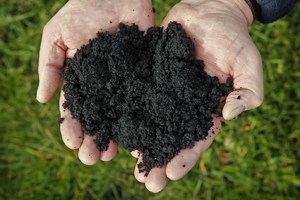
However, the Waste and Resources Action programme (WRAP) noted that in many cases in the UK direct land application of the digestate is likely to remain the most economic option until demand for digestate products increases.
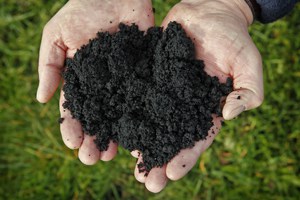
The Enhancement and treatment of digestates from anaerobic digestion study published by the Waste and Resources Action programme (WRAP)late last month, aims to identify digestate enhancement technologies and techniques, in order to raise awareness of them within the UK waste sector.
Digestate is the material produced through the anaerobic digestion of biodegradable materials. It contains nitrogen, phosphorus and potassium and can come in liquid or solid form. WRAP said technologies which enhance digestate are those which increase the value and secure the use of digestates, as well as creating new markets.
The study reviewed technologies applicable to all digestates produced from a variety of feedstock treated by AD, regardless of whether they were compliant with PAS 110 or the Anaerobic Digestion Quality Protocol (ADQP). WRAP said the study considered well established techniques, as well as novel or emerging processes currently under development.
WRAP said once transportation and spreading costs have been taken into account, the value of digestate is often close to zero or may even be a cost to the producer. By enhancing the digestate, AD operators can increase its value and create new markets.
Other aims of digestate enhancement include: reducing the dependence on land application; ensuring more secure and sustainable outlets; and, potentially reducing the operating costs of the facility.
Enhancement
The study looked at a variety of enhancement techniques and technologies which can be applied at three stages within the AD process pre-digestion, within the digestion process and post-digestion. The digestate enhancement techniques looked at by WRAP included:
- Thermal hydrolysis a high pressure, high temperature steam pre-treatment;
- Autoclave systems a pressure vessel which uses steam to treat the contents;
- In-vessel cleaning systems a system used to remove contaminants;
- Ammonia recovery including chemical stripping and scrubbing or ion exchange; and,
- Thickening or dewatering of the digestate.
WRAP found that no single technology is relevant for all applications so a range of solutions will be required to accommodate the increasing volumes of digestate in the UK.
Facilities
WRAP said with a planned increase in the number and capacity of AD plants to treat organic waste in the UK, digestate enhancement and treatment technologies are gaining more attention. There are currently 233 AD plants operating in the UK with a capacity to treat more than 5.4 million tonnes of material.
Historically digestate produced from AD processes has been applied to land as a fertiliser or soil conditioner. However, in some cases, it has been quite difficult to find an end market for digestate due to its low value and strict rules around spreading.
In a bid to increase the quality of digestate, WRAP said it is vital that it is seen as part of the reuse system. WRAP said: It is vital that digestate enhancement is seen in a holistic way as part of an overall materials processing and re-use system. It is important that the overall case for sustainable wastes and resource management is not negated by inappropriate digestate management choices.
Markets
Related Links
It added that UK markets for waste-derived digestates are immature and there is existing competition in land based markets. However, as natural phosphorous resources decrease and the cost of inorganic fertilisers increase, farmers will look to find alternative and potentially cheaper sources of nutrients for their crops.
The challenge in the short term, according to WRAP, is to manage increasing quantities of digestates seeking markets and secure outlets. It added that the UK should look to the EU where systems have been installed and digestate products created.

Register for free to comment