


The Staffordshire-based company currently operates a wood waste and inert recycling facility at the site, handling up to 75,000 tonnes per annum on an approximately equal split between wood wastes and inert wastes.
It is looking to erect another facility at the site to process 120,000 tonnes per annum more of mixed wastes, from which it would produce aggregates and refuse derived fuel (RDF).
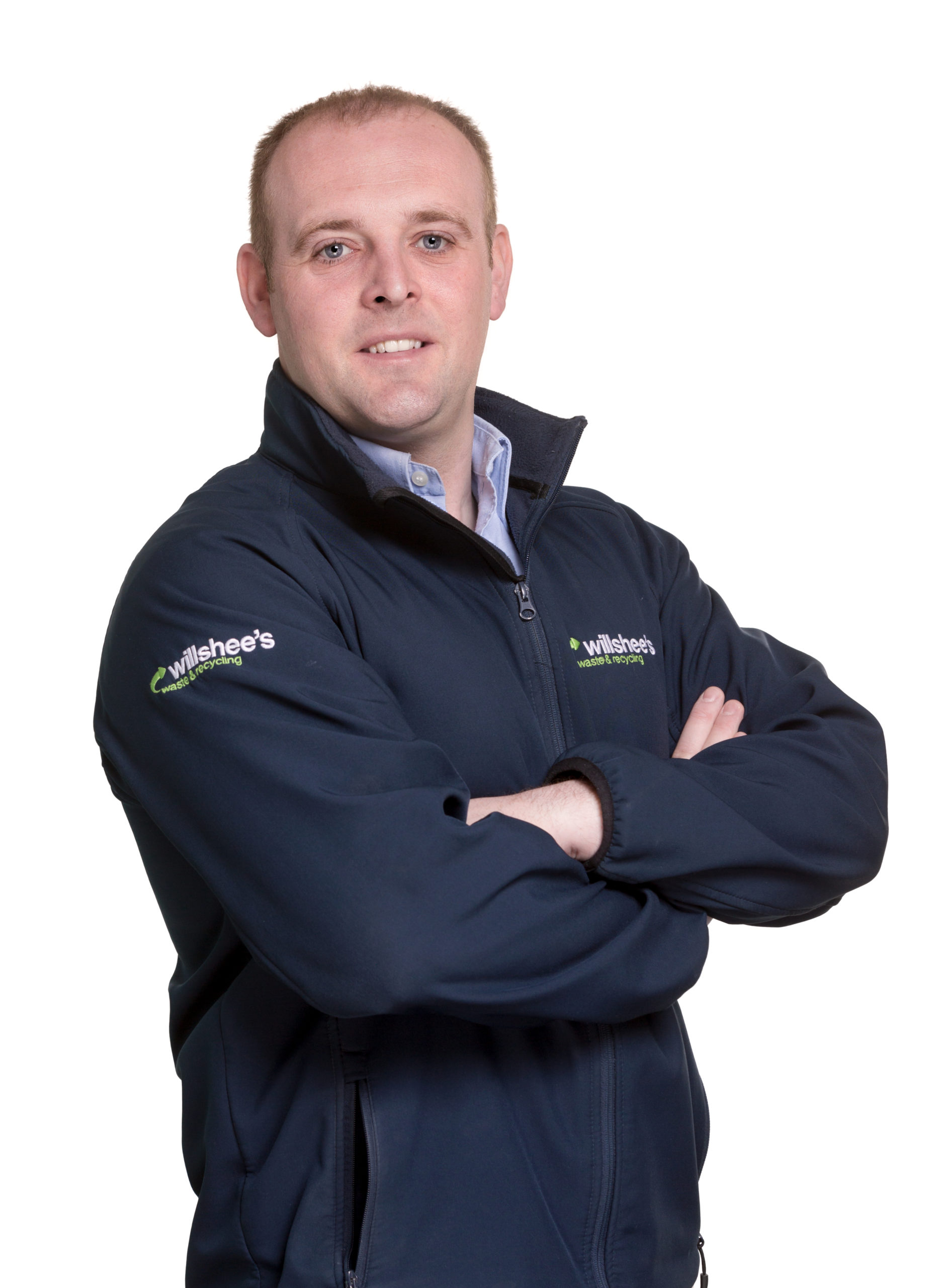
Dean Willshee, Willshee’s managing director, told letsrecycle.com: “We are very excited about our continued growth plans, which includes a £10 million investment in a new recycling facility in Swadlincote, South Derbyshire.
“Work is progressing well on-site and we hope to be up and running by May.”
The additional tonnage would be made up of 90,000 tonnes per year of RDF, 20,000 tonnes of inert waste and a further 10,000 tonnes of wood waste.
Hull
In its application for an environmental permit the company says the RDF produced is to be sent to the Energy Works energy from waste (EfW) plant in Hull.
A non-technical summary provided with the application reads: “The site currently operates as an inert waste and wood waste recycling facility, handling up to 75,000 tonnes per annum on an approximately equal split between wood wastes and inert wastes.
“Each of these waste streams has its own appropriate operating area and storage area.
“The application seeks to extend the operating area, construct a waste handling building and to process 120,000 tonnes per annum of mixed wastes to produce aggregates and RDF in addition to the existing permitted tonnage.”
Supply
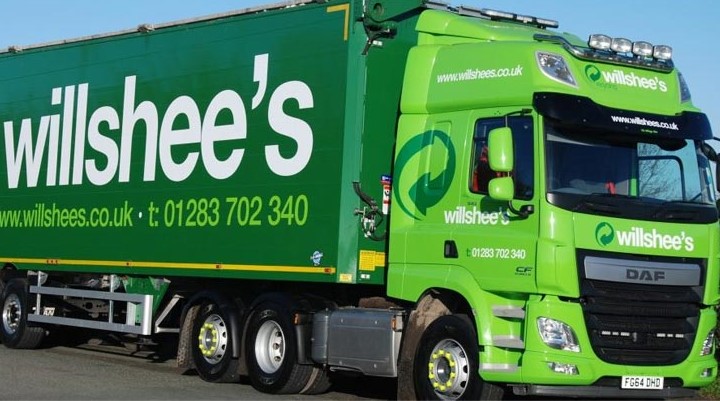
Burton-on-Trent-based Willshee’s has agreed to supply a minimum of 30,000 tonnes and maximum of 40,000 tonnes of RDF per year to Geminor for three and a half years, with the option to extend for a further three and a half years.

Simon Lowe, senior account and development manager at Geminor UK, told letsrecycle.com: “Geminor are happy to be working on this project with Willshee’s and this continues their longstanding relationship within the sector.”
Mixed waste
At the site, mixed wastes are deposited within the reception hall of the building.
Its processing is largely automated and consists of shredding, optical sorting, trommels, ballistic separators, magnets and baling.
This produces RDF, with aggregates, metals, plastics and fines as by-products.
Consultation
The Environment Agency is seeking comments on the application. These can be submitted here.
The deadline for submission is 11 February 2020.

Register for free to comment