



As consumers, we are all used to doing all we can to avoid paying the extra weight charges for hold baggage when we go on our annual holiday, to an extent that a Samoan airline is now reportedly weighing the passengers and charging for their total weight including luggage!
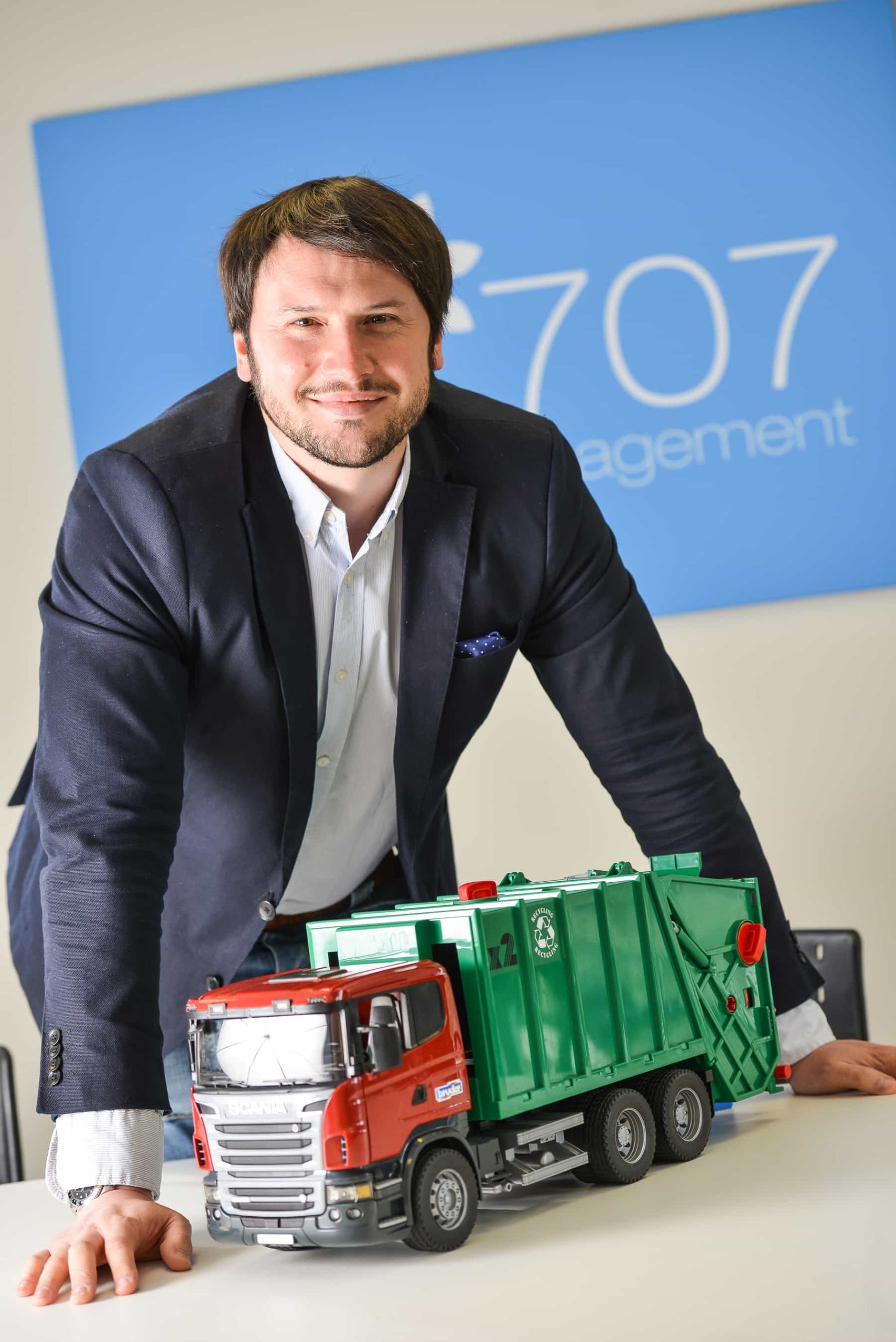
In the waste and recycling sector ‘the great weight debate’ has been gathering momentum over recent years and has become increasingly vocal in recent months.
So what are the key questions for the debate and what is the appetite for a step change in how our industry collects and distributes charges appropriately, amongst our customers?
There has long been a disconnect, in our industry, between the way we charge customers and the way we are charged for disposal. We generally charge our customers a price per container, but are charged a price per tonne to dispose of their waste. Due to the sharp rise year on year in landfill tax, this legacy charging system means we actually lose money for collecting heavy bins.
Some waste collections are currently weighed and charged accordingly with many operators in the waste sector absorbing these supplementary weight charges however, due to a lack of investment in the technological infrastructure weighing waste is generally the exception, rather than the rule.
So why should businesses and organisations not weigh what waste they produce and be charged proportionally?
Are more organisations being overcharged for waste and recycling services as collections are under weight or do more benefit from the ‘one for all’ system?
Measure
If we don’t know how much we throw away how can we measure our impact on the environment? Would scale technology implementation drive a step change and reduce landfill, by driving better waste segregation and motivation to reduce bills?
And why has the adoption of this weight technology been slower than many other industry sectors e.g. utilities, which have rapidly adopted the ‘pay-as-you-go’ philosophy?
Whatever side of the debate you sit on, the technology exists to chip our waste bins at home and place of work, with complementary state of the art waste trucks and weighing equipment to track and invoice on a pay by weight basis.
I believe this is because the end user and our industry fear change; perhaps this is because we assume this will mean increased charges for business and it will of course, require significant upfront infrastructure investment.
Landfill
As a key player in reducing landfill and waste costs to business, I believe we need to look at the introduction of water meters as a comparable example. It’s now the norm to pay for what we use and let us not forget many of us pay less than we did previously under the old system. At the very least it ensures we look at water as the valuable resource it is and not something we should waste.
In the past year we’ve been given notice of a change in the level of landfill tax, so perhaps what the industry needs is a new tax incentive to encourage investment in the collection and disposal infrastructure for tomorrow. This will support a step change in the way UK business pays for its waste. Only then, if we are all on board, can we work together and ensure that this ‘weighty issue’ does not literally have to cost the earth.

Register for free to comment