

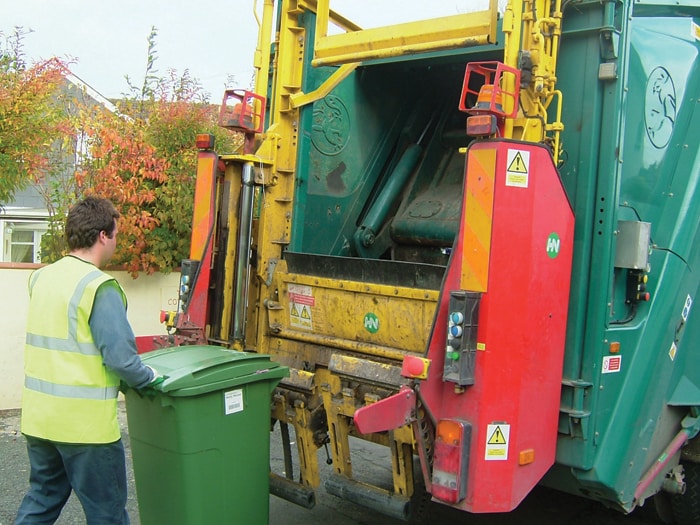
There is a sense of optimism that the waste sector is improving its image and making itself more attractive as a career choice, according to a report published by the sector skills body Energy & Utility Skills (EU Skills).
But, the study, entitled ‘UK Waste Management and Recycling Industry 2010 Labour Market Investigation”, also said that the sector needs to do more to recruit young new graduates with a scientific or engineering background if it is to fill the skills shortage it will face as the waste workforce expands by over 50,000 during the next 10 years.
In the study, EU Skills details the labour and skills shortages currently facing the industry and those it is likely to face as a result of political, economic, social, technological, legal and environmental drivers.
As a result of these forces, the report, which was published with little fanfare last month, claims that the waste sector is expected to grow from a workforce of 142,550 in 2010, spread across the public, private, regulatory and third sectors, to at least 195,950 people by 2020.
Based on desk and phone research as well as stakeholder consultation, the report notes that there is a “widespread view” within the waste industry that technological changes had the greatest impact on the skills agenda.
“Increasingly automated and advanced processes and new technologies delivering energy from waste processes are becoming much more widely employed,” it explains.
And, in light of this it highlights the need to fill both a current and future skills shortage for skilled personnel to fill technical and engineering roles, noting that there is also a view that the industry's current training provision do not meet the “immediate” skills needs the introduction of new technologies required.
Current shortages
In terms of current skills shortages facing the industry, the report reveals that industry representatives and employers have identified skills gaps in a number of areas, including:
-
Managers and senior officers, with a particular shortage of skilled individuals with advanced engineering qualifications, negotiating skills and ‘softer' management and communication skills;
-
Professional and technical roles, with a need for skilled personnel both for roles within and outside waste treatment;
-
Operative and maintenance roles, where it said there were some skills shortages for mechanical and electrical engineers identified;
-
Elementary roles, with basic skills levels, health and safety, numeracy, literacy and English language skills seen as “generally poor”;
-
Drivers, with SMEs in particular reporting a skills shortage here.
Future demand
Alluding to the increased use of new technologies and automated treatment processes in the future, the report says it expects “significant” change in the future skills agenda, including an additional need for more skilled employees to run treatment facilities as more were built.
“The demand for highly qualified engineers, operational managers and processing technicians is expected to grow significantly in the immediate future,” it says.
It also notes that, in turn, this would lead to increasing skills levels being required for supporting operative and maintenance roles, but said the skills and increase in demand was expected to be “relatively modest”.
However, it does stress that, as more technology is deployed through the industry, the traditional “low level of skills” of the industry's large manual workforce will face growing demand for higher levels of competence.
Priorities
To address both the current and expected shortages, the report points towards two key priorities, ‘up-skilling' the existing workforce and attracting new entrants to fill technically advanced roles.
In terms of ‘up-skilling', or training, it says the approach is expected to be especially suitable for manual, operative and lower level technical roles, noting that, in other instances, “the advanced skills requirements of more senior technical positions mean that these roles are less open to up-skilling from lower level positions”.
Attracting graduates, particularly those from science and engineering disciplines, is regarded as especially important
EU Skills report
It claims that, when it comes to sourcing individuals for more advanced roles, recruitment difficulties have previously led to people being recruited from overseas, and also notes there is the potential to recruit skilled entrants from other sectors with transferable skills.
However, it says this is expected to vary considerably from region to region and according to economic performance, and, as a result, explains: “A need to attract young new entrants into the sector is widely recognised.”
“Attracting graduates, particularly those from science and engineering disciplines, is regarded as especially important. However, there is a recognised need to attract young entrants at all levels,” it adds.
Optimism
The report acknowledges the “traditionally poor image” of the industry is seen to have hampered recruitment in the past, but claims there is a “sense of optimism” that an improved image was encouraging interest in the sector.
In particular, it notes “perceptions of the industry, in terms of the role it fulfils, are changing positively in line with an increased recognition of waste as a resource, rather than something which is merely thrown away.
“The growing profile of waste management and recycling as a key part of the environmental agenda and recognition that industry growth offers good opportunities for progression is also encouraging increased interest in the industry, especially among graduates.”

Register for free to comment