


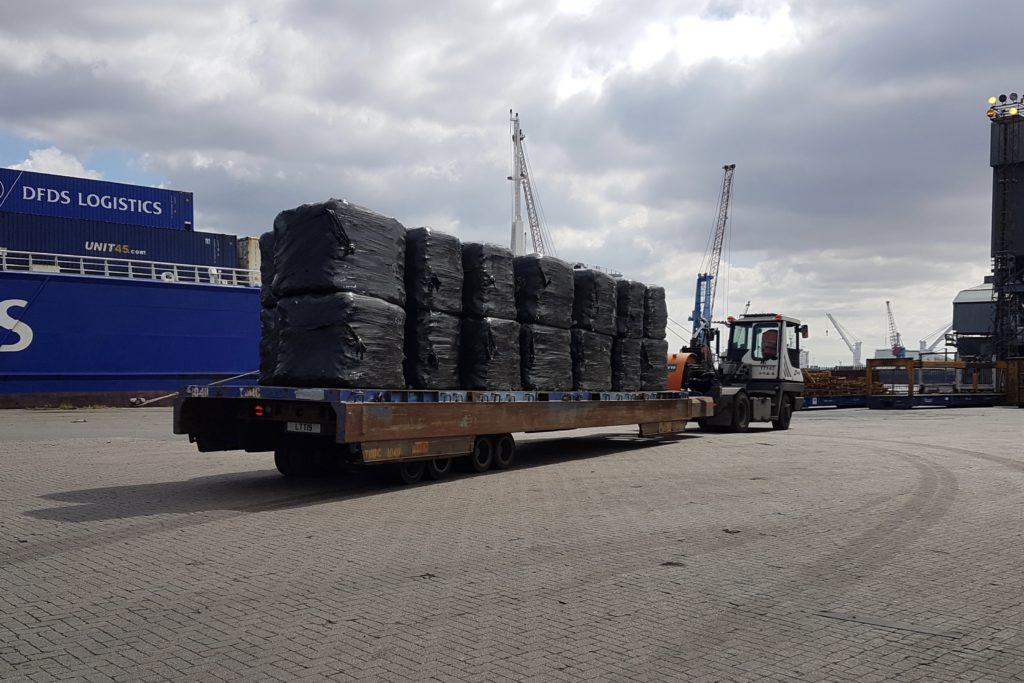
In a letter addressed to Defra this week, the group highlighted that the regulation of POPs and the concentration limits proposed in the consultation will significantly affect the RDF supply chain and services, such as testing laboratories, which ensure waste is compliant with existing and proposed limits.
The RDF Industry Group is a trade group representing 35 organisations from across the European waste-derived fuel (WDF) supply chain. This includes RDF production companies, energy-from-waste facility operators, and those who ship, transport, and test RDF.
The consultation ran between 2 March and 27 April 2023 and came on the back of recent additions to the UN’s Stockholm Convention on POPs which the UK, as party to the Convention, must implement at a national level.
We are working hard to support the Environment Agency on how POPs waste can be controlled
- RDF Industry Group
Presence
Defra asked about amending its regulations to add or update various POPs limits and adding new chemicals.
The RDF Industry Group said several types of POPs being considered for further restrictions in the consultation are pertinent to the waste industry, based on their presence in certain products that enter the residual waste stream. These include perfluorooctanic acid (PFOA) and perfluorohexane sulfonate (PFHxS), which are commonly found in municipal and commercial waste.
The letter from the RDF Industry Group said: “The systematic measurement of most of the types of POPs, including those currently being considered, are not regarded by testing laboratories as commercially and/or technically feasible.
“Furthermore, the likelihood that waste handlers can work with the labs to create suitable sampling methodologies is extremely limited, given the heterogenous nature of residual waste and the practical implications of large-scale testing programmes.”
The group also highlighted several impacts on the RDF industry, including a rise in gate fees and the risk of penalties due to non-compliance. The RDF Industry Group welcomed a continued dialogue with Defra to establish best practice and certainty in the market to achieve the best possible outcome for all parties.
Although the group will not respond directly to the consultation questions as a multi-organisation body, it “would welcome a continued dialogue with Defra in order to establish best practice and certainty in the market to the best possible outcome for all parties”.
Councils
The letter from the RDF Industry group comes on the back of a similar warning from the Local Government Association (LGA) earlier this month (see letsrecycle.com story).
The LGA warned that costs to local authorities could rise as sending more material containing POPs to specialised disposal routes will cost more than standard routes for household wastes.



Register for free to comment