


Waste firms have been warned about incoming requirements to collect dry recyclables separately from businesses from 2015 except where it is not technically, economically or environmentally practicable (TEEP).
Under the amended EU Waste Framework Directive, local authorities and businesses must be offered the opportunity to have recyclable metal, paper, plastic and glass collected separately from January.
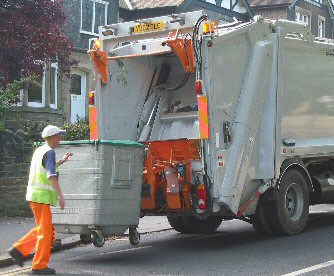
But, to date much of the discussion over the requirement has focused on how this will affect local authorities household waste and recycling services and it has been claimed that many businesses will be unprepared for the new requirements.
Waste sector trade body the Environmental Services Association (ESA) has therefore issued an information note to its members warning that the directive also applies to commercial waste collections and that customers will need to be offered the opportunity to have their recyclable material collected separately except where it is not TEEP.
‘As a minimum, UK regulators are likely to want to see a commingled collection for dry recyclables and a separate general waste bin for non-recyclable materials.’
ESA information note
The note recognises that not all businesses will be in a position to have the four dry recyclable materials collected separately, for example due to lack of space for separate containers or perhaps due to cost, but adds that commercial waste service providers should nevertheless offer separate collection to their business customers.
The Department for the Environment, Food and Rural Affairs (Defra) previously abandoned plans to issue guidance on compliance with the Directive, and a working group led by the Waste and Resources Action Programme (WRAP) is now set to issue a route map in April 2014 to assist local authorities with the regulations (see letsrecycle.com story).
Minimum
Although no guidance on the Directive is currently planned for the commercial sector, the ESA information note states: As a minimum, UK regulators are likely to want to see a commingled collection for dry recyclables and a separate general waste bin for non-recyclable materials.
Related Links
In Scotland, the Waste (Scotland) Regulations, which place strict requirements on businesses to present waste separately for collection, have been heavily promoted among businesses and local authorities.
The Scottish Environment Protection Agency (SEPA) wrote to commercial waste service providers in January to remind them to ensure thatseparate collections are being carried out as required under the regulations (see letsrecycle.com story).


Register for free to comment