
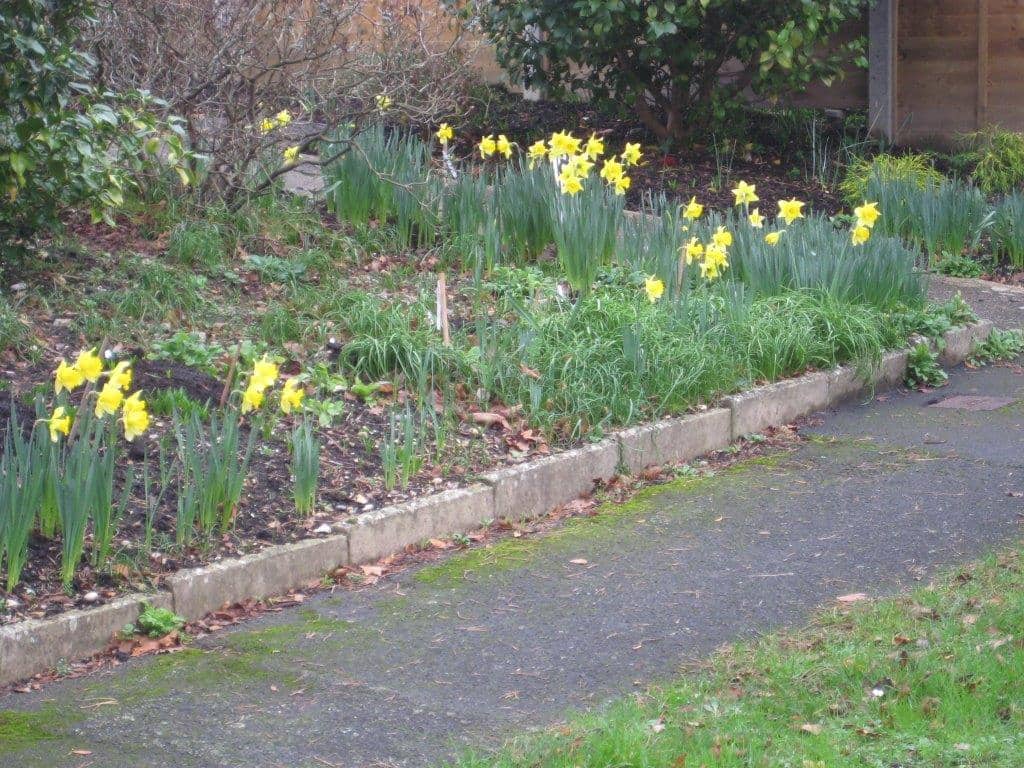
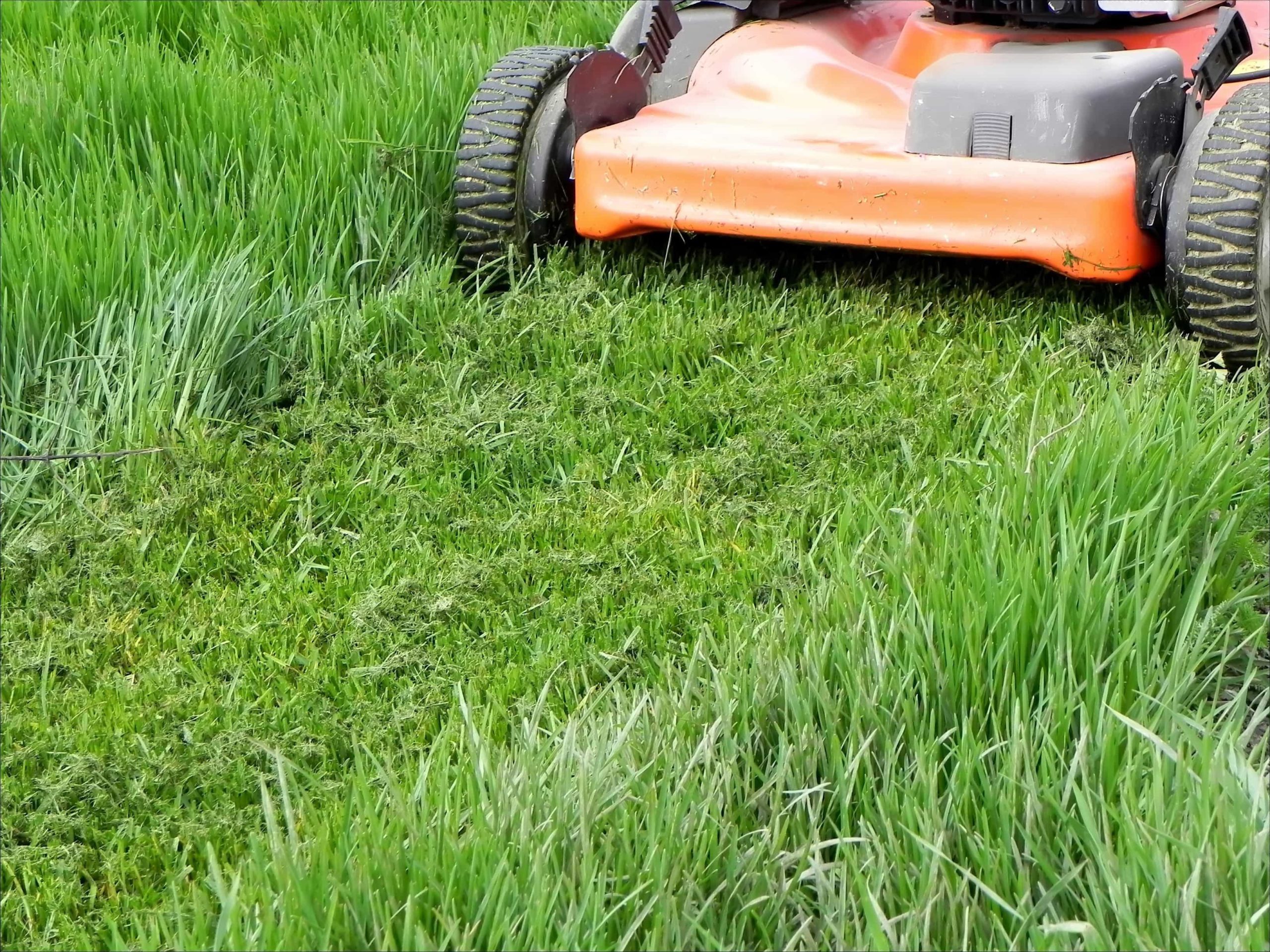
And, highlighting this trend, the conservation charity the Woodland Trust has today (24 December) claimed that warmer temperatures are likely to lead to more homeowners mowing their lawns in December. This could lead to an increase in green waste tonnages for January.
However, the potential late-year boost may not compensate for an overall picture of some reductions in green waste tonnages across 2015.
Composting businesses have told letsrecycle.com that 2015 has been a somewhat ‘disappointing’ year for those handling green waste, after what was described as a ‘bumper’ year for the sector in 2014.
While data for the full year will not be available until the New Year, composters had been hopeful that green waste tonnages would continue at 2014 levels, following what was a mostly warm spring and summer period.
‘Back to the norm’
Speaking to letsrecycle.com Bill Griffiths, national organics and recycling manager at Viridor said: “Where last year was a bumper year, we are down on that this year. 2015 has been back to the norm.”
Mr Griffith’s views were echoed to a certain extent by two composting businesses in southern England.
At Shorts Group in Berkshire, compost manager Gavin Bartlett, said that overall he expected tonnages of green waste in the market to be reduced in 2015.
“While there may be a rise towards the end of the year, last winter was dry and in the first part of the year which was also quite dry there was virtually nothing about. Since then it has been quite a mixed picture.”
“Where last year was a bumper year, we are down on that this year. 2015 has been back to the norm.”
Bill Griffiths
Viridor

A spokesman for Crapper & Sons in Wiltshire said that they too saw 2015 as a year when green waste volumes weren’t up overall. He said: “Summer volumes were not as good as previous years.”
Councils
The drop in garden waste has been noticed by UK councils as well, although some are seeing a late autumn/winter pick up. Daniel Roberts, senior environmental services officer at South Staffordshire council said that there was a definite drop between April to September 2015.
“During this period overall garden waste yields were lower than previous years and we believe that this is primarily due to the weather as our key scheme parameters and collection services have not changed,” he added.
However, Mr Roberts stated that between September and December of this year, South Staffordshire collected 10% more garden waste by weight when compared to the mean average for the previous eight years, indicating the effect the warmer weather has had on growth and gardening.
Increase
In Hampshire, Eastleigh borough council said that it had seen an increase in the November to early December period this year with 547 tonnes collected in 2015 compared to 472 tonnes in 2014. However, there has been an increase in green waste customers this year of 6%.
A spokesman added that this increase, which included a lot of leaves, had been achieved even though the weather had been wet as well as warm, meaning that some householders may have not been gardening as much as they wished.
According to data compiled by the MET Office, November 2015 was particularly warm compared to recent years, with temperatures across the UK on average around 2.6 °C higher than the mean temperature recorded between 1961 to 1990.
Temperatures averaged 8.2°C in November 2015, compared to around 4.4°C for the same period a year earlier.
Woodland Trust
The Woodland Trust charity records signs of seasonal activity in nature since 2000, one of which is the last date people mow their lawn in winter – recorded through the Trust’s Nature’s Calendar survey.
The Trust claims that there is a big difference in the number of lawns mown in a mild December, with nearly four times as many in a warm year.
Data compiled by the charity suggests that in December 2010, when Central England Temperature (CET) averaged -0.7°C, only 6% of recorders cut their grass in December. In contrast, in December 2014, when the CET averaged 5.2°C, 20% of recorders cut their grass in December.
Dr Kate Lewthwaite, Woodland Trust citizen science manager, said: “It may seem strange but people recording the last time they mow their lawn each year provides a valuable insight into climate change. Nature’s Calendar records suggest it has become much more common to do so in December.”

Register for free to comment