

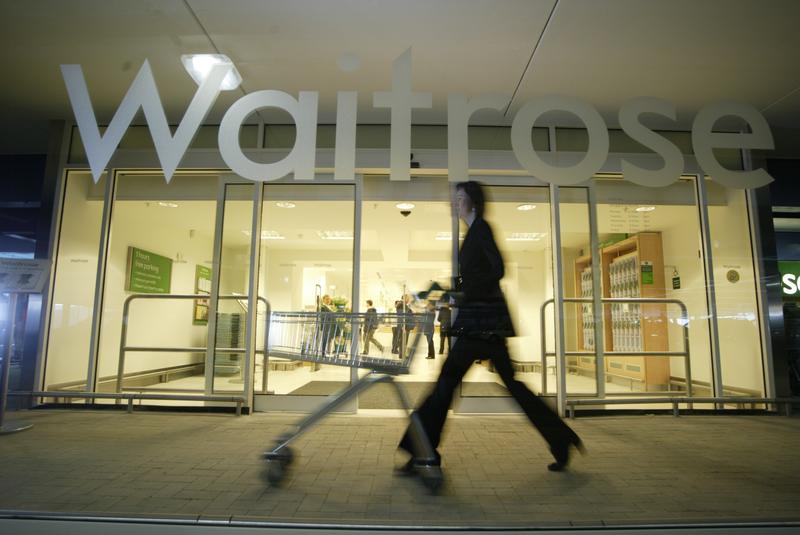
Food which has passed its sell-by-date and other biodegradable matter like paper plates, napkins tea-bags, coffee grounds and corn starch packaging is being taken away to be treated to produce compost and energy.

Milton Ernest-based AD facility Biogen treat the waste at their 42,000 tonne capacity plant which has been in operation since 2005.
Waitrose Recycling & Waste manager, Arthur Sayer said: “Waitrose is continually looking at ways of reducing its impact on the environment.
“Anaerobic digestion has been operating in other European countries, such as Germany for decades, so we thought it was well worth trying out on a commercial scale for our supermarkets. So far the signs are really positive – and this looks to be a sustainable way of eliminating the need to send waste food to landfill,” he added.
The plant which takes the waste feeds the electricity it produces into the National Grid and is capable of providing power for 500 homes.
John Cawley, managing director of Cawley's, explained: “Consumers will be delighted that Waitrose is pioneering the use of anaerobic digestion in the retail market. It shows that retailers can make positive environmental changes at all stages in the food chain, treating food waste management as seriously as food sourcing and creating a positive circle whereby food waste can be recycled back to fertiliser for the land in a process which produces renewable energy, and avoids sending waste to landfill where it can produce greenhouse gases.
“Waitrose has worked very hard with us to make the food recycling service work during the trial period and we are delighted to see the scheme operating in five stores,” he added.
Waitrose's interest in anaerobic digestion comes a month after Defra announced the next stage of its

Register for free to comment