

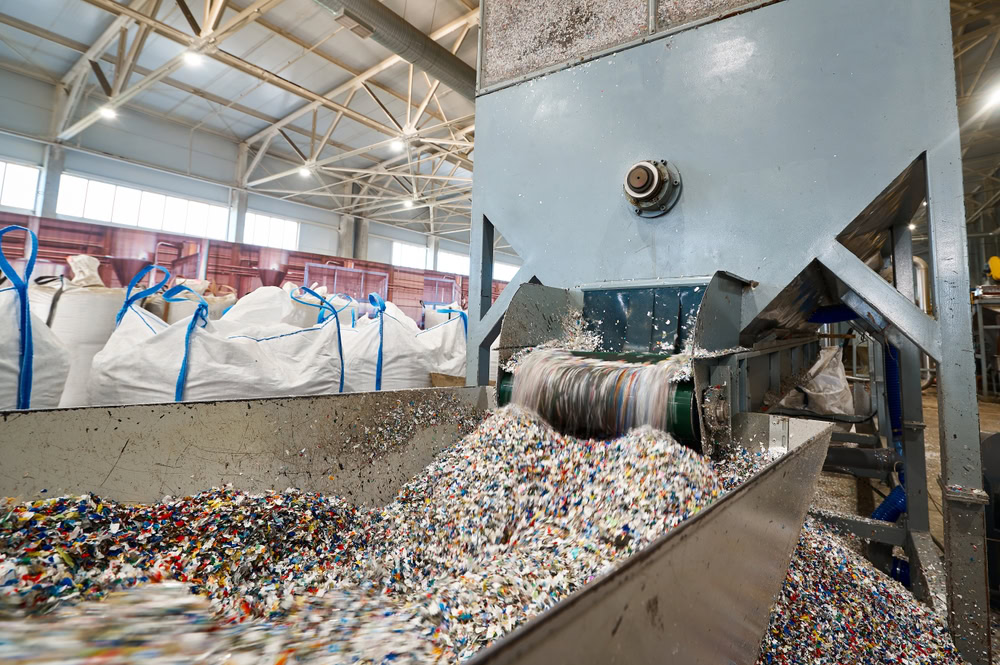
The independent research, commissioned by the waste management company and carried out by Ceres Waste, Renewables and Environment, argued that the UK’s plastics recycling sector is approaching a critical juncture.
While forthcoming policy reforms are expected to increase the amount of plastic collected from households, businesses and local authorities, domestic processing capacity is struggling to keep pace.
According to the report, establishing the right investment framework for the sector could unlock £5.9 billion of investment in UK plastics recycling infrastructure by 2060.
Tim Rotheray, Chief Sustainability Officer at Viridor, commented: “This report shows that the UK has a major opportunity to turn a growing plastics challenge into investment, jobs and lower emissions – but only if the right infrastructure is in place.”
The analysis suggested this could support the development of almost 170 new recycling facilities across the country, create around 7,700 skilled jobs and generate £28 billion in gross value added (GVA) for the UK economy.
Ceres found that increased investment could enable the UK to produce up to 100 million tonnes of recycled polymers by 2060 – around 36 million tonnes more than current projections.
Simone Aplin, Director at Ceres Waste, Renewables and Environment, added: “The analysis in our report shows that closing the capacity gap for plastics recycling would deliver significant economic value, green jobs and environmental benefits.
“As such, taking action to unlock the private sector investment required for recycling infrastructure should be a government priority if policy objectives are to be achieved.”
Decarbonising plastics waste
Alongside the economic benefits, the report highlighted the potential role of plastics recycling in supporting wider decarbonisation efforts.
By diverting more plastic away from residual waste streams, the UK could reduce the amount of material sent to energy recovery facilities by around 10 million tonnes annually by 2060, according to the findings.
In turn, the government could avoid an estimated £49bn in spending while cutting overall carbon capture costs by around half.
The report also suggested that increasing the capture of biogenic carbon dioxide from energy from waste facilities to 350 million tonnes of CO2 could support emissions reductions in harder-to-abate sectors.
For local authorities, the potential savings are also significant. The research estimated councils could avoid around £4.1 billion in projected Emissions Trading Scheme costs linked to unabated CO2 emissions by 2060 – equivalent to a 59% reduction – through increased plastics recycling and the deployment of carbon capture technologies.
Rotheray explained: “Plastics in residual waste are the source of almost all the fossil CO2 emitted by Energy from Waste facilities.
“Removing more of this plastic through increased recycling will reduce fossil carbon in waste, increase the amount of climate-positive biogenic CO2 captured, and help deliver Net Zero for the EfW sector.”
22% of plastics recycling capacity lost
However, the report warned that these benefits are far from guaranteed.
The UK has lost around 22% of its plastics recycling capacity over the past two years, at a time when major policy changes are expected to increase the amount of material collected for recycling.
Without intervention, the UK risks finding itself in the position of collecting more plastic than it can process domestically, increasing dependence on export markets and exposing councils to higher waste management and carbon costs.
The report identified a growing infrastructure gap, with the need not only for additional recycling capacity but also for new technologies capable of treating more difficult-to-recycle plastic materials.
Commercial and operational pressures continue to challenge the sector, creating uncertainty for investors despite the scale of the opportunity outlined in the analysis.

Register for free to comment