

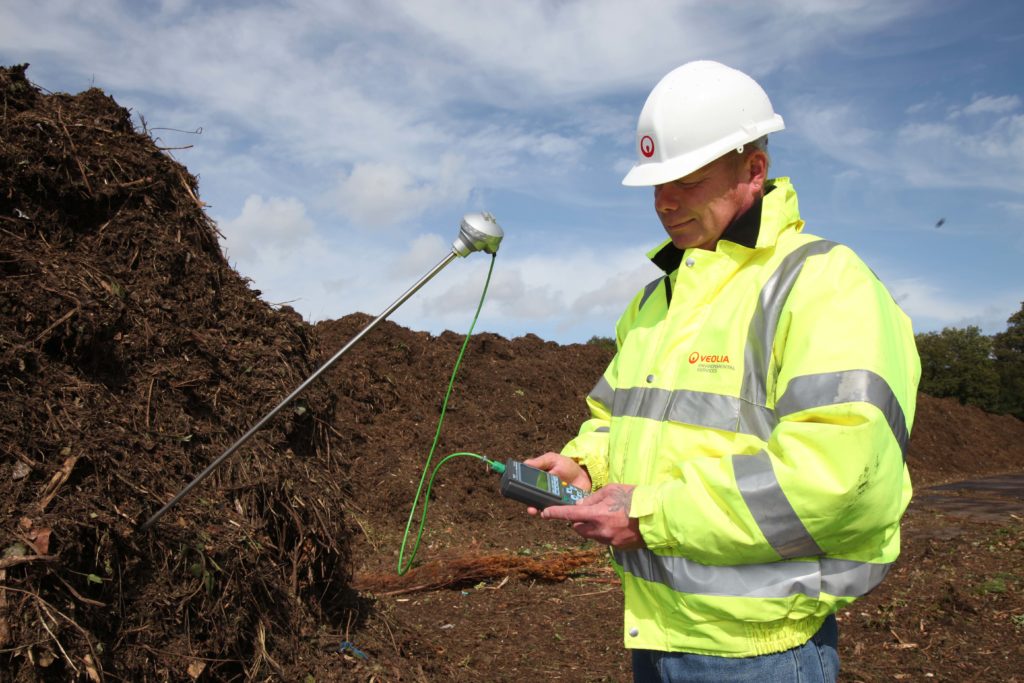
In a statement issued last week (16 August) the company called for peatland to be protected and for the end of growing media containing peat, if the UK is to meet its target on net zero carbon emissions by 2050.

Peat is made from partly decomposed plant material and forms in waterlogged conditions, and it can be attractive in compost use because it retains water well without soaking plant roots, as it is usually free of weed seeds and pests.
Ending the use of Peat as a growing media could also offer a boost for the composting of organic wastes, Veolia said.
The company – which describes itself as the UK’s largest peat-free composter – reported that the UK is “destroying” 805,000 tonnes of peatland for horticultural use, including imported peat. This is the equivalent to cutting down 80,500 mature trees.
Peat-free compost
There are 4 million tonnes of peat-free compost available in the UK – which Veolia says means a transition “is not just realistic but an environmental obligation”.
Richard Kirkman, chief technology and innovation officer at Veolia UK & Ireland claimed that peatland was being destroyed at “breakneck speed” in the UK.
He explained: “Peatlands are carbon sinks, no different to rainforests like the Amazon – and yet peat decimation is happening on British soil.
“Peatlands are carbon sinks, no different to rainforests like the Amazon – and yet peat decimation is happening on British soil.”
“Veolia collects green waste from millions of households through its nationwide composting sites, processing the organic material into a sustainable, peat-free, nutrient rich product for gardeners and farmers alike.”
Mr Kirkman added: “We have the tools, supply and motivation to replace peat with a greener compost – but resolve must be reflected in legislation in order to encourage a quicker transition.”
Veolia says that there has been an increase in use of peat-based products for the growing media industry, with 56% of growing material in stores using the material.
The UK’s peatlands store over three billion tonnes of carbon – this is around the same quantity as all the forest in the UK, France and Germany and around nine years worth of the UK’s total annual CO2 emissions.
Government action
Mr Kirkman called for the government to take action to protect peatland and encourage the transition to peat-free compost – by incentivising consumers to go peat-free and discouraging peat use by a “phased, wholesale ban”.
He said: “If we are serious about our planet’s health and childrens’ futures we need a root and branch removal of such a ruinous practice, especially when there is an alternative readily on hand to replace it.”
Veolia produces 150,000 bags of peat-free compost per year. It says this figure is likely to increase if green waste becomes more regular and free to collect, as was pledged in the Resources and Waste Strategy.
Currently Veolia handles 400,000 tonnes of household waste annually, which is derived from a network of ten composting sites across the country. The material is processed using windrows.

Register for free to comment