

Vale of Glamorgan adds safety equipment to fleet
Vale of Glamorgan council in Wales has installed camera recording systems within its fleet to “protect the public”.
To date, more than 60 vehicles from the council’s waste, recycling, parks, street cleansing and community support services including vans, mini-buses, sweepers, caged tippers, and tractors have been equipped with camera recording systems.

The council has also installed reverse radars and the Cyclear cyclist safety warning system within its fleet of refuse and recycling collection vehicles.
Gareth George, fleet manager for Vale of Glamorgan council, said: “In the Vale we have a combination of densely populated areas such as Tower and Barry, as well as narrow country lanes and rural villages.
“Access and visibility can be an issue and we want to do everything in our power to protect the public, and our crews, by reducing the risk of any incidents or accidents.”
All the equipment was provided by the council’s vehicle safety partner, Innovative Safety Systems (ISS), and is now part of the council’s standard specification for new vehicles.
In 2019, when Vale of Glamorgan switched from a commingled service to kerbside collections, the council decided to “enhance the safety” of the new fleet and ISS were brought on board.
ISS launches software division
ISS has launched a new software division, Fleetclear, following “significant” research and development and “major investment” by Leeds-based YFM Equity Partners.
Fleetclear brings together multiple products and provides one system for managing vehicle assets, driver monitoring, telematics, video recording, vehicle tracking, safety equipment monitoring, compliance and operational management, ISS says.
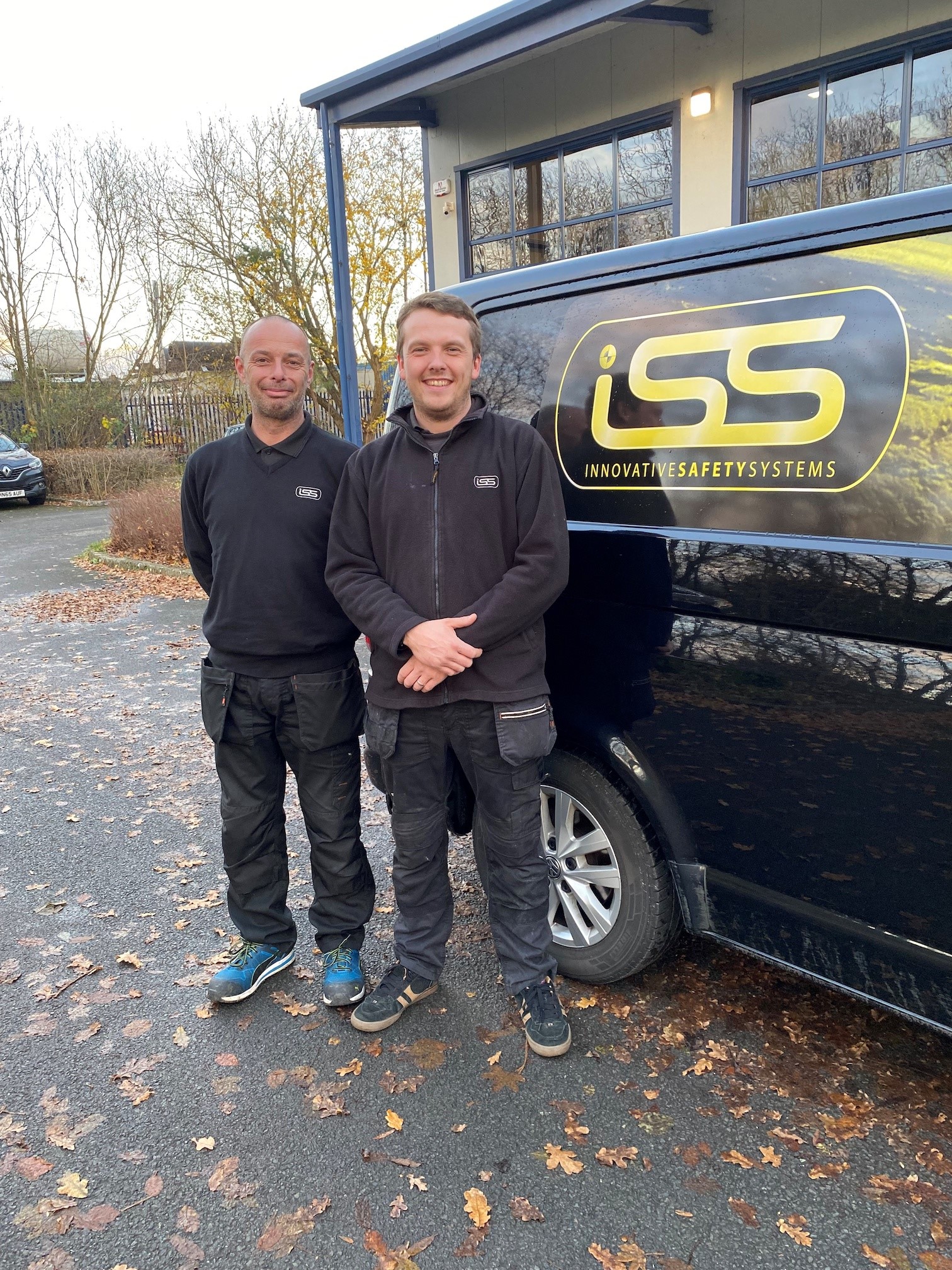
Gavin Thoday, ISS’s CEO, said: “ISS is continually evolving and adapting to the changing needs of the market-place.
“We have harnessed the latest smart software technology to integrate all vehicle monitoring and safety equipment, onto one easy to use platform, to deliver key business information to customers.”
And, ISS also says it has recruited more staff, including trainee engineers, to “enhance its after sales provision”.
Mr Thoday said: “This latest recruitment activity is to facilitate the ongoing growth of our managed after sales service.
“We can monitor customers’ equipment remotely and respond immediately if something isn’t working correctly, without relying on them contacting us.”
LondonEnergy retains fleet safety accreditation
LondonEnergy announced on 14 December that it had once again obtained a Fleet Operator Recognition Scheme (FORS) Gold award, an accreditation it says it has held for more than 10 years.
Wholly owned by the North London Waste Authority (NLWA), LondonEnergy operates a flagship energy from waste facility and head office in Edmonton, as well as several transfer stations and household waste recycling centres across North London.
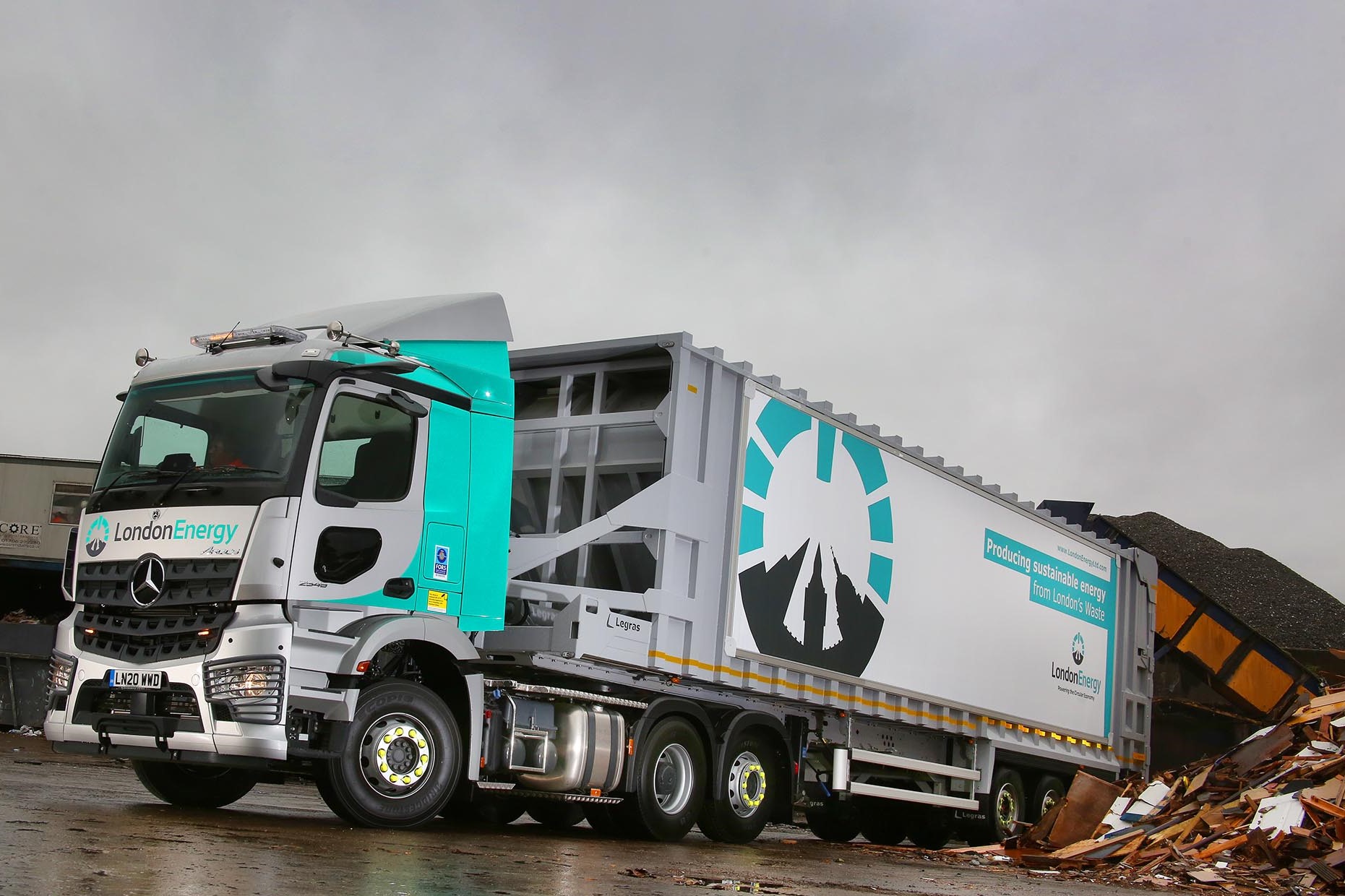
FORS is a voluntary accreditation for fleet operators that aims to drive best practice in safety and environmental protection.
This year, LondonEnergy added electric vehicles to its fleet, fitted safety panels to the vehicle side run bars of its HGVs, and saw their first driver apprentice pass her HGV test and join the hooklift driving team.
Katie Blowes, transport and logistics manager at LondonEnergy, said: “Our FORS membership shows how committed we are as a company to improving safety on London’s roads and how we are playing our part in improving air quality and reducing vehicle emissions.
“We want to be the leaders in our industry and will work hard to stay at the top.”
‘Legislative pressure’ driving demand for electric vehicles, Renault Trucks says
Manufacturer Renault Trucks says the “direction of travel” from diesel to electric vehicles is “clear”, even if “the immediate pathway is not”.
Customers recognise that the impetus for a zero-carbon transport system is “irresistible”, the company says, driven by demand and legislative pressure.

Andrew Scott, Renault Trucks’ head of electric mobility and product management, said that customers “welcomed” the range of alternative energies available, but increasingly recognise that “the future is electric”, particularly for urban applications.
He added: “Most have an open mind over the medium-term future, for example concerning hydrogen’s suitability for long-haul and other high-energy applications.”
There is increasing recognition of the capability of electric trucks, Mr Scott said, helped by exercises such as the circumnavigation of the M25 by Renault Trucks’ D16 Z.E.. The vehicle still had 39% charge remaining at the end of the trip.
“Even government seems to be slowly appreciating the scale of the challenges facing the sector,” Mr Scott said.
“While policy and incentives still significantly lag behind those being implemented in many other European countries, there seems an increasing awareness of and willingness to call on the expertise of those tasked with delivering the change.”

Register for free to comment