



The (relatively) new Chancellor delivered his Autumn Statement on Wednesday 23rd November to a packed House of Commons. This was his first chance to set a tone for this Administration and its priorities in light of Brexit.
 Recent governments have at least paid lip service to the environment by including specific chapters on environmental issues in HM Treasury’s big bi-annual set pieces. But this appears to be no more, with the environment not even eliciting a mention in the Chancellor’s speech or in the main document.
At face value this is not a very promising start. But – as with Brexit – it is vital that we look for the bright side and try to find some opportunities to take forward our industry’s agenda.
The Chancellor’s big focus of course was on infrastructure. This is where the waste and recycling sector can find its opportunity from the Statement. The National Infrastructure Commission (NIC) has been tasked with assessing our infrastructure needs for the next 30 years and waste has been included within its remit.
The UK is in a pretty unique position in that it is driving down its landfill capacity without investing in the replacement facilities we need. To date we have relied on export markets for Refuse-Derived Fuels – this year we will export around 4 million tonnes of fuel to other parts of Europe. But the post-referendum fall in the pound and the Brexit possibility of future tariffs on trans-boundary material movements, point towards rising costs at best for this option.
Landfill tax
The landfill tax escalator has performed its job and capacity will continue to close over the next 10 years. London and the South East as well as other parts of England will see dramatic reductions in available landfill. This will lead to material travelling further with corresponding increases in logistics costs.
All of this points towards higher residual waste management costs for UK businesses – a potential drag on competitiveness.
“The Chancellor’s big focus of course was on infrastructure. This is where the waste and recycling sector can find its opportunity from the Statement.”
Jacob Hayler
ESA
At the same time, investment in new recycling capacity is reluctant to say the least. Without fundamental change in the drivers underpinning investment in new facilities, recycling rates will go backwards and the overall system costs will go up.
The best we can probably hope for from the NIC is some more supportive words about the desperate need and importance of waste and recycling infrastructure. And recognition that waste infrastructure is not just for household waste. And that it is not just about large-scale residual waste treatment plants – as important as these are they are not the whole picture.
But to develop our infrastructure we really do need more from the government. It is unlikely that waste infrastructure will be prioritised over transport projects or that there will be new money to pay for it. Instead we should focus on different asks.
Waste crime
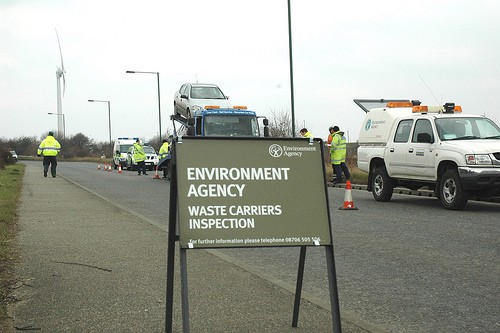
A big priority for HM Treasury should be to ensure that the Environment Agency is adequately resourced to fight waste crime. This has been demonstrated to possess a return on investment of over 16 to one, i.e. for every pound spent identifying landfill tax fraud, £16 is recovered by the Exchequer. At the same time, if we truly eradicated the scourge of waste crime then legitimate businesses could have greater confidence to invest and generate more tax revenues for the Government. A truly win-win scenario.
The NIC is currently seeking stakeholder views as it prepares its National Needs Assessment. One question it asks is whether there are new potential revenue streams for infrastructure development.
In our sector, the answer is clear: extended producer responsibility. This could bring in more certain revenue streams that could underpin the investment we need in new waste and recycling infrastructure. This is an area where the Government really needs to look closer.
ESA hopes that the National Needs Assessment will be aligned with both the government’s Industrial Strategy and with Defra’s forthcoming 25-year Environment Plan. The latter in particular is an opportunity for our sector to be helped with policy and regulation that beats the waste criminals and uses extended producer responsibility to drive better performance. Let’s take it.


Register for free to comment