

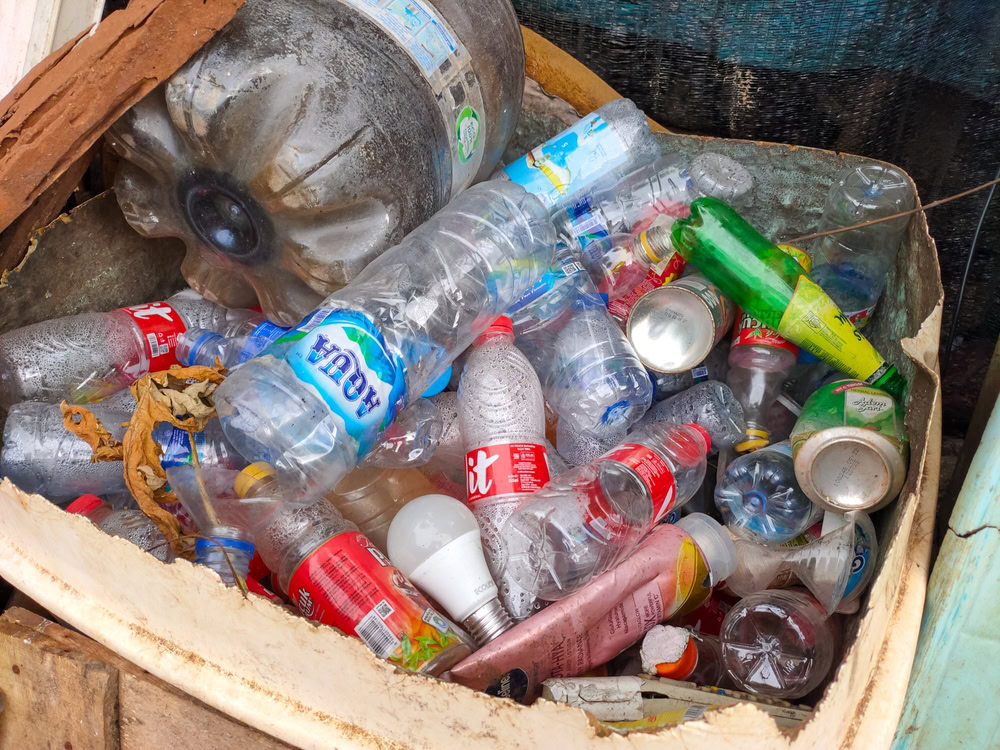
Running across one week in March 2026, The Big Plastic Count saw 68,000 participants from schools, households, community groups and workplaces count their plastic waste, counting a total of 1.5 million pieces of plastic.
The report found that 82% of household plastic waste comes from food and drink products, with fruit and vegetable packaging accounting for 16% of all plastic items counted.
Around 63% of this packaging is soft plastic film, which remains difficult to process at scale in the UK.
Overall, 16% of plastic waste is currently recycled, with the remainder either burned, exported, or sent to landfill.
Incineration continues to grow ahead of ETS inclusion
The report highlighted a continued shift towards incineration, with 59% of plastic waste now sent to Energy from Waste facilities, up from 46% in 2022.
This trend comes as the UK Emissions Trading Scheme prepares to expand to include waste incineration from 2028, with a monitoring phase having begun in 2026.
Under the scheme, emissions from EfW plants will be capped, with operators required to purchase allowances for CO₂ output.
As plastic is a fossil-based material and a major contributor to incinerator emissions, the inclusion of EfW is expected to increase the cost of treating plastic-heavy residual waste.
Focus turns to flexible plastics
The composition of plastic waste is also drawing increased attention as the government’s Simpler Recycling reforms progress.
From March 2026, household recycling collections across England were standardised, allowing most dry recyclables to be collected together.
A further milestone will follow in March 2027, when all local authorities must provide kerbside collection for flexible plastics, including films such as bread bags and crisp packets.
Evidence from the FlexCollect trials suggests that such materials can be effectively captured.
The programme found that flexible plastic packaging (FPP) can be collected with minimal disruption, achieving around 90% target material capture with low contamination and high resident satisfaction (89%).
End markets also showed encouraging performance, with recovery rates of around 80% into new flakes or pellets, and up to 100% when used in durable applications such as plastic timber.
Despite these positive signals, questions remain over system readiness.
The report highlighted that the UK’s domestic processing capacity remains a bottleneck, particularly for flexible plastics.
While new or planned capacity is expected to come online, this may only meet a portion of the demand created by mandatory collections from 2027.

Register for free to comment