

There have been seven catastrophic failures of anaerobic digestion (AD) plants from March to November 2013, two of which were of an explosive nature, the Environment Agency has disclosed.
The figures were presented yesterday by Ed Mitchell, executive director of environment and business at the Environment Agency, to a House of Lords committee looking into the economics of biowaste.
Mr Mitchell argued the regulatory burden on business was necessary given the track record of biogas technology and added that regulation surrounding AD should be based on risk rather than maximum value for stakeholders.
The committee, chaired by Lord Krebs, has been set up to investigate how to extract maximum value from bio waste and biogas projects, and the role central Government can play through incentives designed to make the most of the bio economy.
Addressing the committee, Mr Mitchell said: There is sometimes out there a polarisation that does not take into account the benefits that regulation provides. It is incumbent on people to deliver the objectives they are given by the regulator.
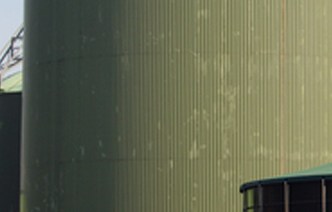
Nobody built plants expecting them to fail, but our experience of course is that all these plants are not perfect and the regulation is important. To give an example, we have had seven catastrophic failures of anaerobic digestion plants in the last nine months, two of which were explosive in nature where the gas built up and the lids popped off or the walls blew out.
So when there is a debate about the right amount of regulation it absolutely has to be based on risk.
Young industry
Defending the AD sector, the Anaerobic Digestion Biogas Association said it was aiming to produce practical guidance to assist AD operators, but claimed it was still a young industry in comparison to other waste technologies.
‘We have had seven catastrophic failures of anaerobic digestion plants in the last nine months, two of which were explosive in nature.’
Ed Mitchell, executive director of environment and business at the Environment Agency
A spokeswoman for ADBA said: “We are a young industry that’s growing fast and we are working hard to improve operational performance and environmental protection as with any industry we are keen to reduce risks wherever possible.
AD operators need guidance and support, which ADBA is working to help provide including through the Practical Guide to AD and the development of best practice.
In November 2010, the Waste Management Industry Training & Advisory Body (WAMITAB) unveiled a competency test for AD operators, which was developed in conjunction with ADBA and included in-vessel composting facilities and open windrow composting plants (see letsrecycle.com story).

Register for free to comment