



As an avid coffee drinker, I am a big user of coffee ‘on the go’. Why? Because I like the product and I like the fact that I can drink it where I want. On the train, in meetings, even in the car. It is a product of today’s busy lifestyles where unlike our European counterparts, we feel guilty if we actually waste time sitting in a café to enjoy our coffee.

Along with over-packaging, Hugh Fernley-Whittingstall zeroed in on the disposable coffee cup for his latest campaign and in last night’s programme, created good television from the perception of corporate monsters ruining our planet. And it was effective. You would think that these types of companies would have learnt by now how to deal with trial by TV.
Link: Hugh’s War on Waste, BBC iPlayer
But just like the wonky vegetables, it tends to be their fortress inapproachability that creates the story rather than the issue itself and that’s what we all remember. How dare Costa not talk to our Hugh! But if we look beneath the (highly edited) froth, what is the real story here? The focus of the publicity is that these companies apply a green veneer to their service by suggesting that the cups are recyclable when the reality is that they are generally not. And absolutely, that is a false impression that has to be changed. But in terms of environmental damage, where does this rate?
Statistics
The storm is whipped up by statistics – 2.5 billion cups a year, 5,000 a minute. That sounds horrendous, yet it is ‘only’ 60k tonnes a year. 0.5% of packaging. A twentieth of the amount of uncollected plastic packaging. 7.5% of the amount of uncollected glass packaging. 6% of the amount of uncollected paper packaging. So even if they were more easily recyclable, they are well down the priority list and take us back to the re-occurring dilemma of resource efficiency. Waste should be recycled where there is a net environmental benefit and sometimes, there are more environmentally efficient ways of dealing with potentially recyclable waste – energy recovery in particular.
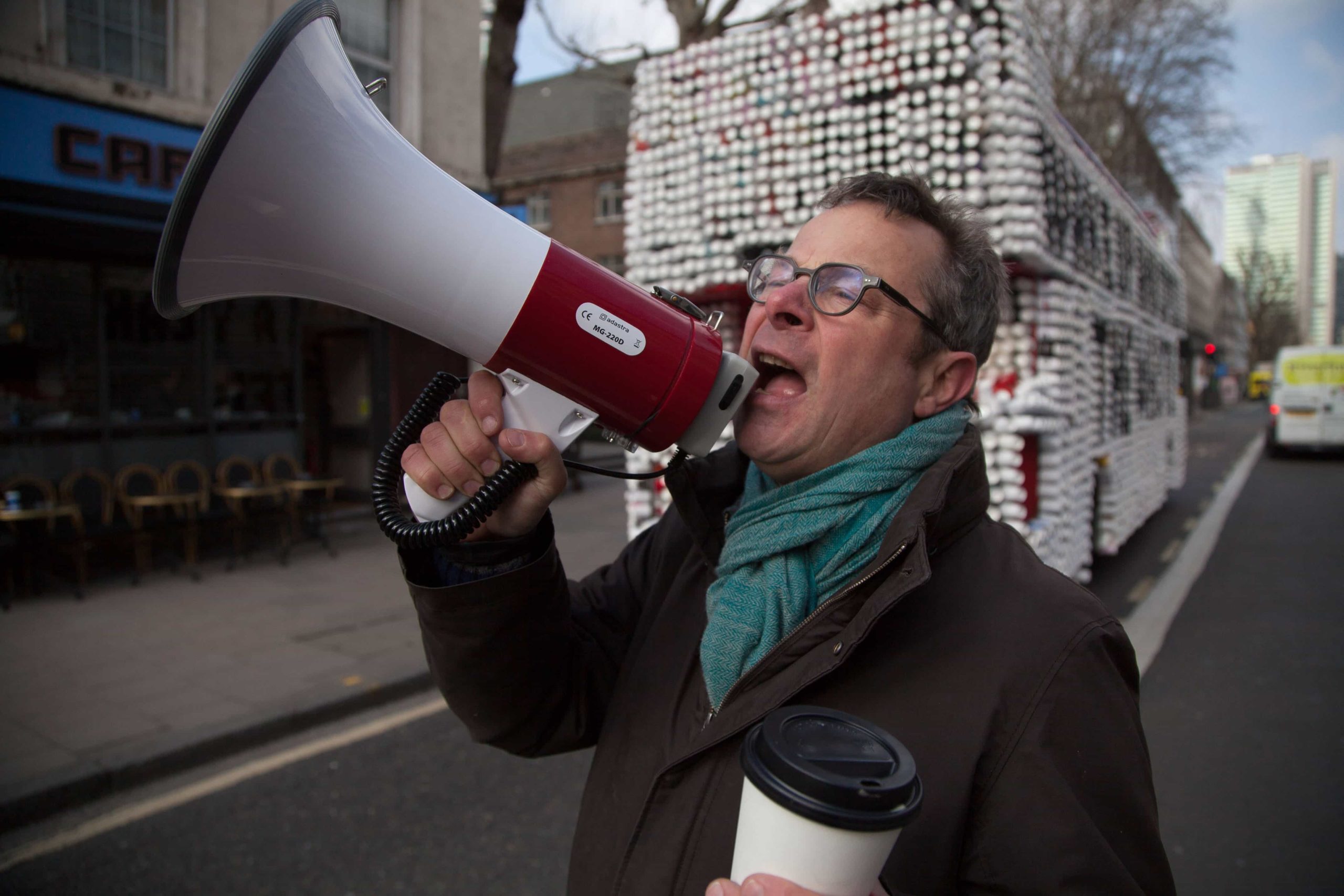
The carrier bag levy was driven primarily by litter issues and take-away packaging is certainly a litter problem. But in last night’s programme, that wasn’t raised and I therefore question here – what is the issue? Sustainability? Litter? Corporate honesty?
Packaging has a function. It is there to protect a product and deliver it safely, securely and cost effectively with the least environmental impact. The disposable coffee cup seems to me to achieve most of that. If the coffee companies weren’t claiming they were recyclable, would this programme have been made? I am not sure, but I do think we need to keep a sense of perspective.
And as for Amazon? Personally, I don’t think they do a bad job. And what Mr Fernley-Whittingstall failed to mention is that we have the Essential Requirements Regulations that allow anybody who receives an over-packaged item to report the supplier to Trading Standards. Why oh why did he not give those any publicity?


A very sensible article ( at last) Hugh has taken a easy target, something that is highly visable, made him a lot of headlines, I am sure a lot of people will make a lot of money out of this, but in the end it is the consumer that will pay, but Hugh seems to think they will be happy to pay. Maybe the consumer will not notice another 5p on the price of there coffee to pay for new materials, new recycling infrastructure, new recycling plants.
Yes, Hugh may have chosen an easy target but not just easy because they are highly visible on the high street but because they are not your little neighbourhood paying companies. They are global and where and how much tax global companies pay in each country they operate in has had a lot of discussion.
The writer of the above article seems to feel uncomfortable presumably because his boat has been rocked and so he should be by the greenwash of these companies and his own lack of curiosity and/or denial of what he was doing without question.
Wake up and smell the waste! Don’t be taken for a mug – take your own! These companies are big enough to make a difference.
That doesn’t always have to mean new recycling plants need building etc but it does mean that there is always a need for innovation and change in designing and minmising packaging for recycling.
I don’t think enough is charged for carrier bags and there are too many exemptions. Will many who indulge in “on the go” coffee notice a 5p extra charge? I don’t think so.
Now how about tackling sandwich packaging? That says it is recyclable – but is it?
(And I don’t mean for energy recovery.)