

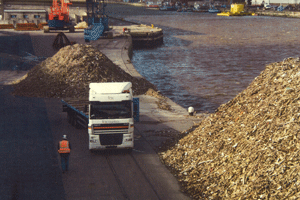
Stobart Biomass Products Ltd, based in Penrith, appeared at Hull and Holderness Magistrates Court on Tuesday (June 3) over its waste transfer operation at Albert Dock in Hull.
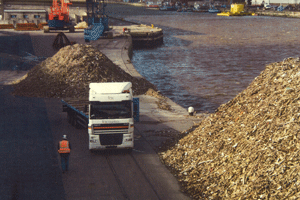
The company had been storing waste woodchip in 2011 and 2012 at the site for the energy-from-waste industry, and was issued with guidance by the Environment Agency to ensure the stockpiles would not cause any problems to the local environment or nearby communities.
But, during a visit to the site, investigating officers from the Environment Agency saw that dust from the wood piles was not being prevented from being blown on to nearby areas during high winds and dry conditions.
Sarah Middleton, prosecuting for the Environment Agency, told the court that dust problems did arise as a result of the containment issues, with some local residents reporting brown dust being blown onto their properties, windows and cars.
Dock
It was also found that Stobart Biomass had failed to protect the dock from the waste, with uncontained piles of wood located on a concrete surface which would not have prevented water run-off from entering the water.
In addition, one woodchip and household waste pile was situated so close to the dockside that some of the waste was falling into the water, posing a risk to the Humber Estuary.
Joanne Holt, environmental crime team leader at the Environment Agency, said: Waste management operations can potentially cause many problems to the local environment and neighbourhood thats why it is vital that companies ensure they meet all of their environmental obligations.
In this case, Stobart Biomass were warned about the potential problems that waste wood piles could cause, but they failed to ensure that it was stored in an appropriate manner.
Admission
Stobart Biomass, which admitted one charge of keeping controlled waste in a manner likely to cause pollution or harm to human health, was also ordered to pay legal costs of 5,512.73 and a victim surcharge of 15.
In mitigation, Stobart Biomass said a dust management plan had been drawn up and passed to a stevedore firm. It states that it was this other firm had failed to manage the risk appropriately.


Register for free to comment