

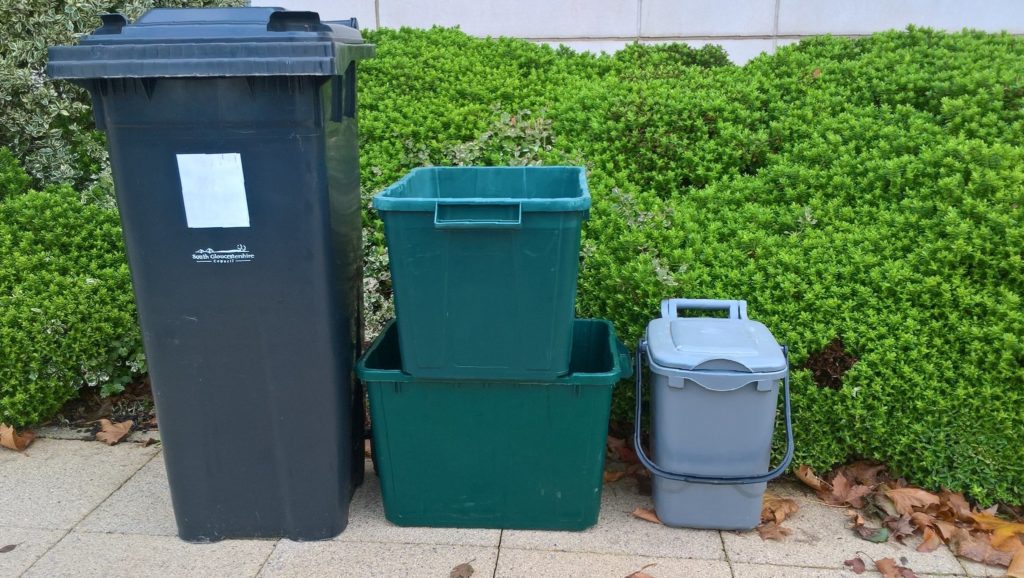
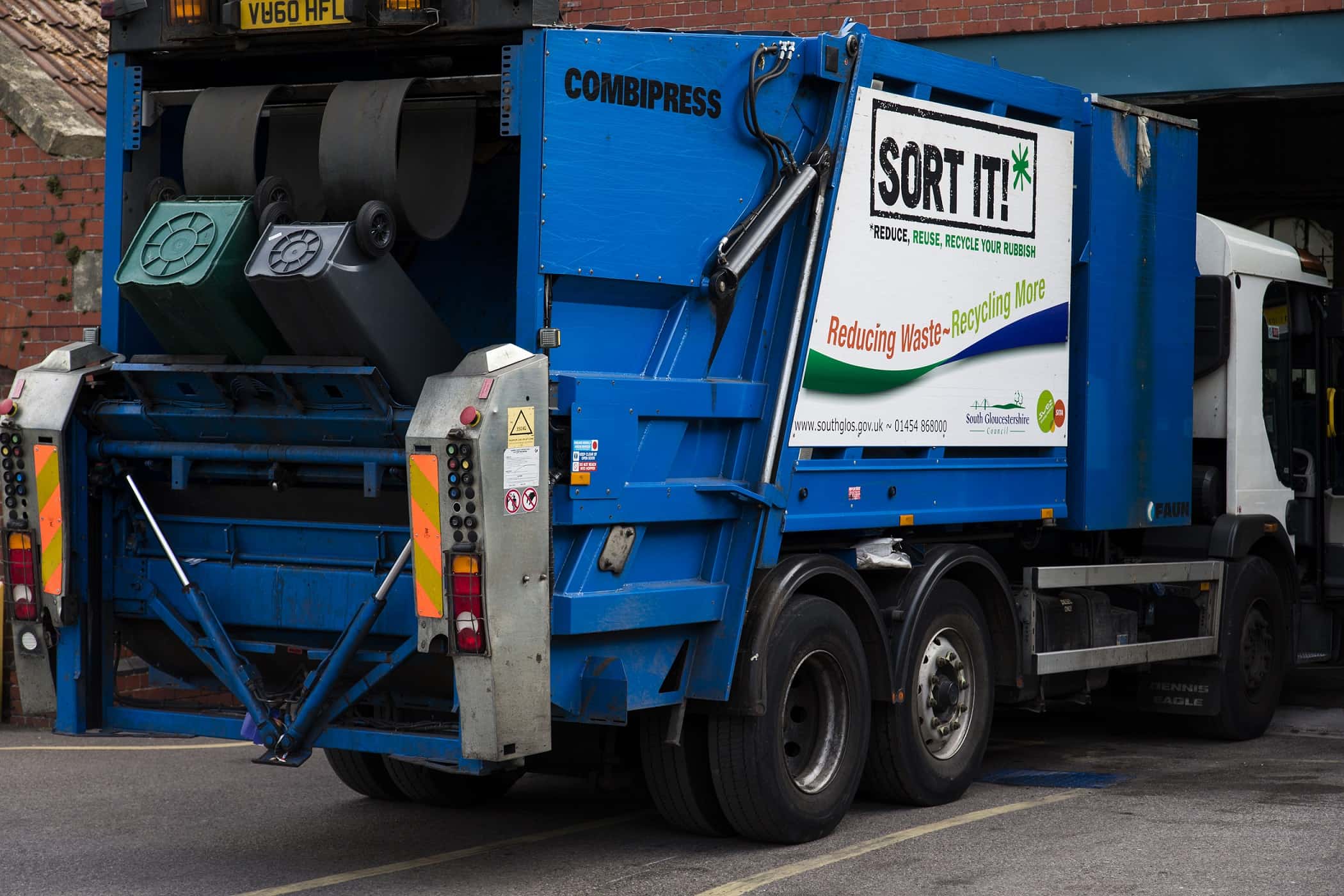
Suez currently collects South Gloucestershire’s waste under a 25-year PFI contract which ends in July 2025. The deal sees 155,000 households receive fortnightly residual and green waste collections and weekly food and dry recycling collections.
South Gloucestershire receives £3.1m in PFI credits via the contract, but says Defra has “verbally confirmed” this will cease in July 2025.
The council has also targeted saving £2.75m annually from its waste services from 2022 to meet budgetary constraints.
On 10 October, the council’s cabinet signed off plans to explore options for its waste collection services once the Suez contract ends. While the council stresses it is looking to maintain the existing fortnightly collections, it is also considering collecting residual waste less frequently.
Nearly three-quarters (72.5%) of local authorities collect residual waste fortnightly, according to papers which went before the cabinet, while just 7% collect it every three weeks.
However, 15% of local authorities are exploring moving to four-weekly collections, the papers claim.
Several local authority organisations have expressed concerns to letsrecycle.com that rampant inflation and rising fuel costs would see councils forced to reduce their waste services (see letsrecycle.com story). As one example, earlier this week Wokingham borough council launched a public consultation on moving away from its own weekly residual collections as it looks to save £700,000 a year.
Frequency
Moving to a three-weekly regime could save South Gloucestershire £500,000, increase recycling by up to 4% and cut carbon emissions by 2,000 tonnes each year, the papers say.
Offering a three-weekly service with residents’ current 140l bins would reduce their capacity for residual waste to 47l from 70l per week, “making it one of the lowest capacities in the UK,” the papers say.
This could “strongly encourage” recycling rates to rise, as well as save money on residual costs and improve the service’s carbon performance.
Moving to a four-weekly regime will potentially save an additional £300,000 per annum and increase recycling by more than 4%, the papers say, but would also incur an initial cost of £2m for vehicles.
The switch would see the residual waste capacity per household fall to 35l per week, which the papers say is “very low”.
Consistency
The cabinet meeting also discussed whether to switch from the current kerbside-sort system for dry recycling or whether to change to comingled collections.
The papers claim that a switch to commingling could save the council £400,00 per year, but also incur a one-off cost of £1.1m for separate food waste vehicles, ongoing running costs and £2m for new bins.
The cabinet discounted the switch on the basis that it could breach technically, environmentally and economically practical (TEEP) regulations under the government’s proposal for consistency in household and business recycling in England.
The papers say South Gloucestershire is in an “enviable position” given the kerbside-sort system is already in place.
South Gloucestershire
Representing an estimated population of more than 280,000, South Gloucestershire council had a household waste recycling rate of 58.5% in the 2020/21 financial year.

Alongside Cheltenham borough council, South Gloucestershire is one of the first local authorities to agree to trial kerbside collections of flexible plastic packaging under the Flexible Plastic Fund FlexCollect project (see letsrecycle.com story).
The weekly pilot collections will begin on 17 October, with approximately 2,000 selected households from parts of Bradley Stoke, Chipping Sodbury, Alveston and Olveston taking part.
Trudy Harrison, the recently appointed waste minister, said: “We know consumers want to do the right thing and these two local authorities are leading the way in ensuring more plastic film and flexible packaging is recycled.
“This innovative project will provide valuable evidence to support our proposals to roll out nationwide collections of plastic film from all households and businesses.”

Register for free to comment