


In the context of the unprecedented and extremely challenging market conditions that have affected the entire waste industry, we have responded swiftly
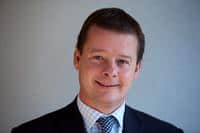
Tom Drury, chief executive, Shanks
And, the Buckinghamshire-based company has also today (May 21) announced a proposal to raise £71.4 million, to increase its investment opportunities and reduce debt, by issuing two new shares for every existing three.
In its final results for the 12 months up to March 31 2009, Shanks showed that its profit before tax was £33.9 million compared to £41.3 million for 2007/08, and that its core net debt was £290 million, rising from £212 million for the previous year.
In addition, trading profit for the company's UK operations fell by 17% despite Shanks' Dutch and Belgian arms increasing by 19% and 20% respectively.
Commenting on the results, Tom Drury, group chief executive of Shanks Group plc, said: “In the context of the unprecedented and extremely challenging market conditions that have affected the entire waste industry, we have responded swiftly by reducing our cost base going forward by £10 million and right sizing the business for the current environment.”
“In the short term, trading in Belgium and the UK is expected to be satisfactory but challenging and our exposure to the Dutch construction sector will continue to negatively impact revenue and profitability of our Solid Waste business in the Netherlands,” he added.
Mr Drury claimed that the company has further planned disposals of non-core activities, which he claimed should “enable Shanks to take full advantage of attractive investment opportunities in our business” and he said Shanks would continue to develop its three key principal growth opportunities of recycling, organics processing and UK PFI.
The company said there had been 100 redundancies across its UK and Belgian divisions in response to the downturn in trading, with 55 members of staff being let go in the UK (see letsrecycle.com story).
Shanks is issuing 158.7 million new shares at 45 pence per rights issue share with the proceeds from the shares being used to reduce the company's debt and “create a more appropriate capital structure providing greater resilience and financial flexibility in the event of a more serious downturn in general economic conditions than anticipated”.
UK
In the UK, Shanks saw trading profit decline from £6.9 million in 2007/08 to £5.7 million in 2008/09 with the company's hazardous waste operations being particularly adversely affected by the downturn in the UK construction industry.
In addition, the UK arm was categorised by attempts to focus efforts on core regions of Scotland, East Midlands and the Northern Home Counties which saw the sale of interests in Liverpool and Swansea for £3 million and £2 million respectively.
The company said that its revenue from its existing PFI contracts was down, due to additional cost incurred by attempting to hit performance targets which would release income supplements in the future, when they were met. The company also said its PFI bid costs rose from £1.2 million to £2.1 million to reflect increased bidding activity.
The final results report states: “Many authorities have or are about to start their procurement processes and we are actively pursuing this limited window of opportunity as the next two years will see a large number of deals being closed. We believe that our extensive experience in bidding combined with the enhanced offering mentioned in the chief executive's statement positions us well to win our share.”
It was also claimed within the report that the company's production of solid recovered fuel (SRF) was “going well”, with record amounts going to cement kilns and increased interest from off-takers.
Overseas
Shanks' Dutch operations saw an increased trading profit of 19% from £37.7 million in 2007/08 to £44.9 million in 2008-09 and claimed that a “difficult second half” in Solid Waste performance and harsh weather conditions were offset by a strong performance from its Hazardous Waste division.
In order to address the difficult trading conditions in its Solid Waste business, Shanks introduced a cost reduction programme – entitled ‘Fit for the Future' – which targeted delivery of €7 million (£6.1 million) of annual savings in addition to the €5m (£4.4 million) intended to be removed from the cost base as a consequence of reducing volumes.
The Hazardous Waste division saw a year-on-year increase of 40% improvement, which the company attributed to a strong performance from its Afvalstoffen Terminal Moerdijk BV (ATM) treatment facility and said its organics arm Orgaworld continued to “trade satisfactorily” in its domestic market.
In Belgium, Shanks saw an increase in trading profit of 20% from £16.2 million in 2008 to £19.5 million and said this was attributed to improved performance in its Power, Sand Quarry and Hazardous Waste divisions.
The strong growth in Hazardous Waste trading profit was attributed to increases in both volumes and prices at Shank's treatment facility at Roeselare in Flanders. But it said there had been a reduction in lower margin, labour intensive industrial cleaning work, which became more acute in the second half with the deterioration in the economic conditions.
Shanks said construction of its new anaerobic digestion facility in Roeselare was completed on schedule in early 2009, with the treatment process now being started up but set to take several months to reach full capacity due to its biological nature.


Register for free to comment