


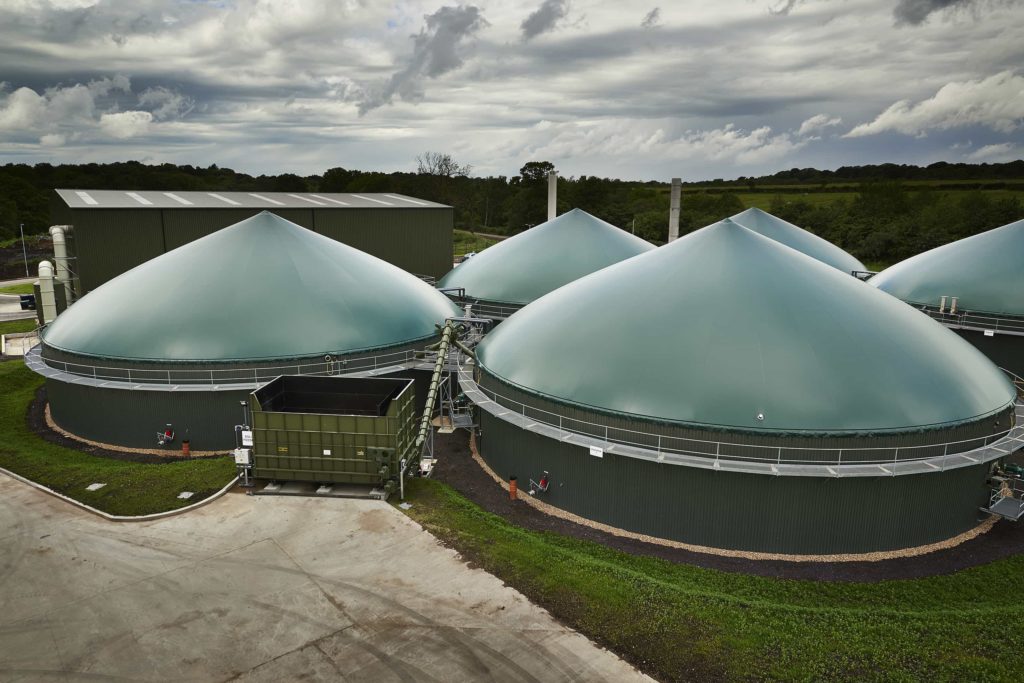
AD operators are already braced for reforms to the Feed-in Tariff (FIT) incentive scheme in the face of the decision to scrap the climate change levy exemption for renewable energy.
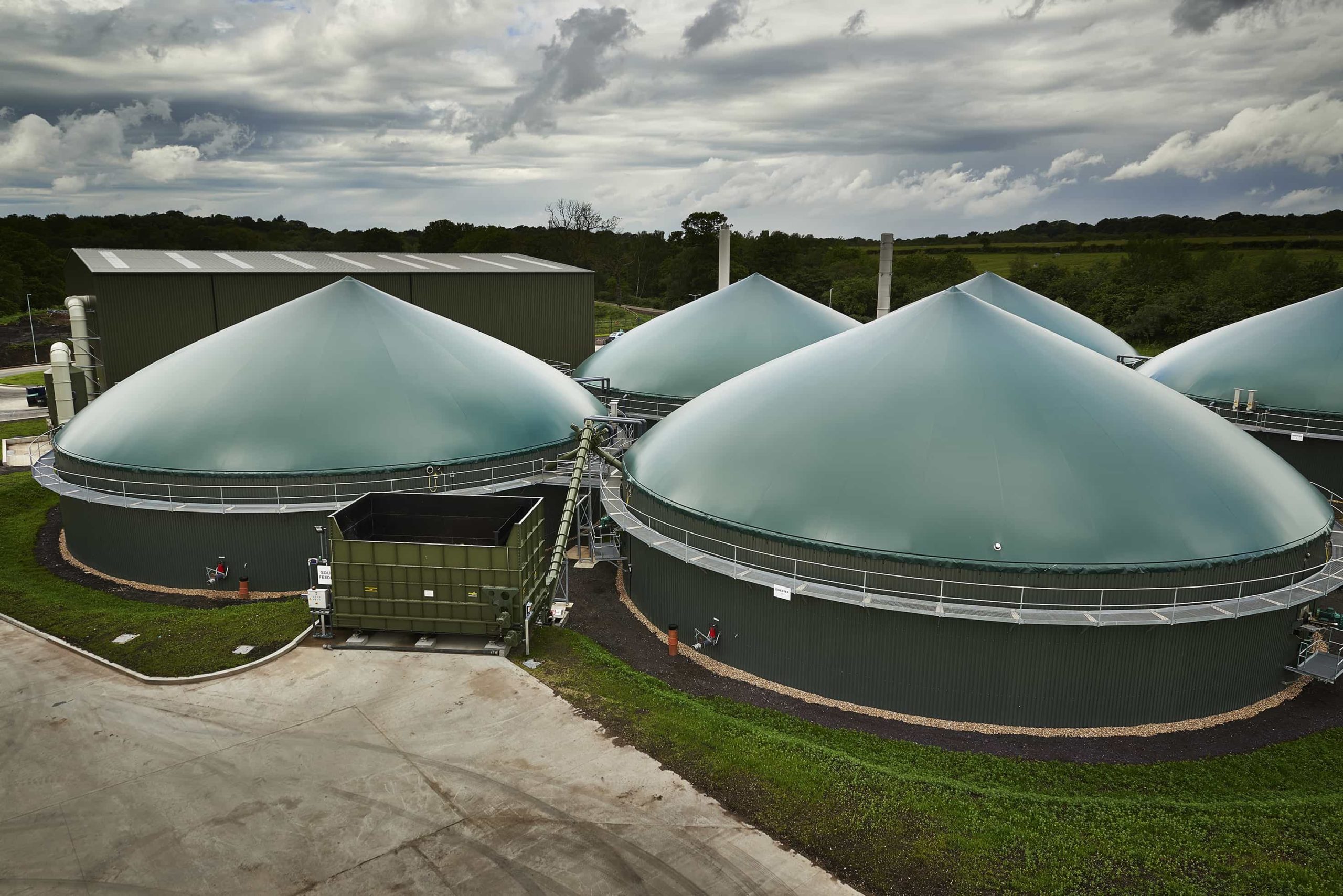
And, Charlotte Morton, chief executive of ADBA, today (November 18) cautioned that “ignoring the benefits of supporting renewable electricity growth now creates real risks”. She was responding to the government’s plans for future energy supply in the UK which were laid out this morning by Mrs Rudd.
The energy secretary said the Conservatives would look to close the UK’s remaining coal-fired power stations by 2025 with a new emphasis on gas and nuclear power.
And she warned that renewable investment depended largely on the ‘cost-competitiveness’ of the technology and claimed that consumers had overpaid for renewable energy.
The energy secretary said: “We need to get the right balance between supporting new technologies and being tough on subsidies to keep bills as low as possible.
“Our intervention has to be limited to where we can make a difference where technology has potential to scale up and compete without subsidy”, she added.
The gloomy forecast for renewable subsidies follows a concerning year for AD, with criticism growing from some corners that future plants should only be commissioned if and when there is an increase in available feedstock (see letsrecycle.com story).
FITs
In August, the sector was shielded from a government consultation looking to cap spending on feed-in tariff incentives for solar power, wind turbines and hydroelectric plants – due to the ‘complexities associated with estimating AD cost and revenue streams that do not apply to other technologies covered by the scheme’.
However, DECC has announced its intentions to consult on the AD tariffs, through which 90MW of electricity generated by AD plants is currently subsidised. The department also wants to discourage the use of crops as feedstock favoured by some operators taking advantage of the scheme, which it views as unsustainable.
The sector is also concerned about the Treasury’s plans to scrap the climate change levy exemption – which the Anaerobic Digestion & Bioresources Assocation (ADBA) warns could cost it £11 million a year.
It argues that by removing the exemption for renewables, government will reduce revenue by around £5 per MWh.

But responding to the claim earlier this year, a Treasury spokesman confirmed that around a third of the revenue created from the levy was spent overseas, and argued that there are ‘more effective policies’ in place that directly support domestic renewable generators.
Benefits
Commenting on today’s announcement from DECC, Charlotte Morton, chief executive of ADBA, said: “Ignoring the benefits of supporting renewable electricity growth now creates real risks. AD can deliver the same, vital baseload electrical capacity as new nuclear; but cheaper and faster than Hinkley Point C.
“Just as with new nuclear, however, for AD to achieve this feat it will require support for industry to scale and deliver this potential – we would therefore urge the Energy Secretary to re-consider the ill-advised proposals to severely limit future development under the Feed-in Tariff.”
Ms Morton was however more optimistic about the potential for biogas to help meet around 30% of domestic gas or electricity demand.
Writing to the Secretary of State today, she is expected to argue that green gas will be “vital” to achieving secure supplies while meeting the carbon budgets the government is committed to.


Register for free to comment