


The significance of the plans was explained at this week’s London Conference, (supported by the London Waste and Recycling Board) in a presentation from Doug Simpson, principal policy and programme officer at the Greater London Authority.
Mr Simpson noted that the “core focus for the Reuse and Recycling plans” is the minimum level of recycling services which involved collecting six main recycling materials and separate food waste by 2020.
“The plans are a chance for us to see what is happening on the ground, to see where the pinch points are and the successes,” he told delegates from across London’s local authority sector and also from private contractors.
And, Mr Simpson emphasised that the GLA wished to create conditions for local plans for authorities so that the ownership would be with the authority.
Metrics
Some of the requirements of the plan are for metrics which include weight per head of materials collected, the type of materials and the vehicles used which can meet ultra low emission zone requirements.
And, on the first set of plans, which are due to be signed off by the Mayor at the end of May 2019 (for seven authorities – Tower Hamlets, Wandsworth, Enfield, Hillingdon, Harrow, Greenwich and Richmond) Mr Simpson added that some qualitative measurements are also emerging. Five of the seven authorities had submitted their plans to the GLA but two are late, although Mr Simpson did not name the pair.
Weekly
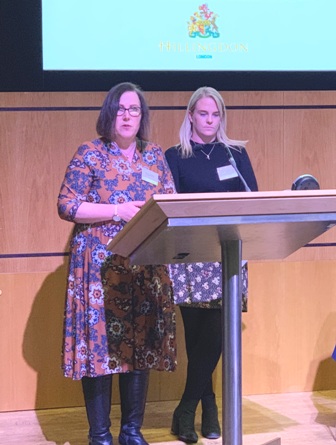
Subsequently, the event heard from Hillingdon council officers, Cathy Knubley (head of waste) and Nicola Herbert (development officer). Ms Knubley explained how the borough is “dedicated to providing free weekly services” and currently does so for residual waste, garden waste and recycling with food waste an optional service.
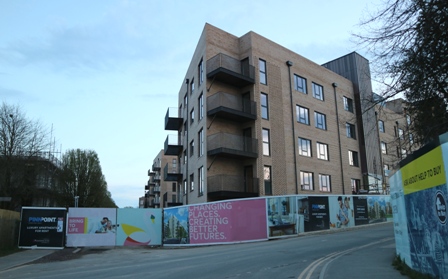
And, she said that: “all services are presented in bags so we have no lifting vehicles apart from some to service flats”. Ms Knubley also explained that the borough had not increased council tax for ten years and this year it was rising by only 2.4%.
Recycling rate
The borough does not employ a recycling officer but strategy and planning sits with Nicola Herbert, who told the audience that Hillingdon’s recycling rate had remained in “the low forties” and showed signs of falling. One factor in this has been some summers where green waste arisings have been down as well as the increasing number of flats which “has been a factor in the decline”.
The Reuse and Recycling Plan requirement provided an opportunity to review our existing performance, said Ms Herbert. Two of the biggest challenges for the borough, she noted, were the limitations of data and budget pressures.
Hillingdon is also committed to working with the West London Waste Authority, said Ms Herbert, which has helped with the development with waste minimisation campaigns.
Looking ahead, there is a proposal to “reintroduce food waste collections to all houses” and the borough is “committed to reducing the contamination rate for recycling which is above 10%”.
Planning policy
And because of the challenges posed with new flat developments, Hillingdon is to put its waste and recycling policy firmly within its planning department. “We intend to have this adopted as a supplementary planning document,” she added.
[Flats recycling will be one of the topics under discussion in a free conference session at Letsrecycle Live being held at Stoneleigh Park near Coventry from 22-23 May 2019. Register here.]

Register for free to comment