
Even if all the green waste currently collected was spread on land in the region, it would use up only 31% of the agricultural land available.
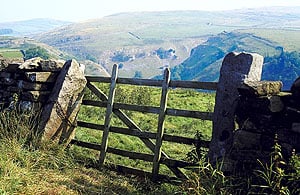
 Research suggests there is plenty of agricultural land suitable for using more composted green waste in Yorkshire |
And, according to Recycling Action Yorkshire – part of regional development agency Yorkshire Forward – further research could reveal forestry land or previously-developed brownfield land that could further extend the region's capacity for using compost.
To help meet European Landfill Directive targets, local authorities in Yorkshire and Humberside will have to divert 640,000 tonnes of organic material from landfill by 2010.
Land bank
Researchers from consultancy ADAS suggested that at present, 281,000 hectares of land would be required for all the green waste now being collected in the region. However, only an estimated 41% of collected green waste is spread on agricultural land at the moment.
The “Recycling Materials to Land in Yorkshire and Humber” study indicated there is about 900,000 hectares available in total within the region's land bank.
Some of this land will not be suitable for the use of composted green waste, but more land could be available outside the agricultural sector.
Jobs
Andrew Hartley, programme director at RAY, said: “This is an opportunity for sustainable economic growth in the region. Spreading compost on land in the region creates investment in the rural economy, more jobs in the composting industry and helps farmers to manage and improve their soil. Every tonne of green waste diverted from landfill into composting also reduces CO2 emissions by 0.7 tonnes.”
The use of composted green waste on agricultural land can replace chemical fertilisers, increasing the soil's organic content – in turn improving structure, reducing erosion and improving the soil's ability to keep nitrogen fertilisers from leaching out into rivers. RAY said this was particularly important in the Yorkshire and Humber region, which has a high proportion of areas designated as Nitrogen Vulnerable Zones.
Climate change
Mr Hartley added: “Yorkshire and Humber landfills the vast majority of its waste. This rots in landfill sites and creates methane, a gas which has 21 times more effect on climate change than carbon dioxide.”
| Related links: |
The organisation told letsrecycle.com it has further research to carry out detailing exactly which land is available for the spreading of compost. And, funding is available from RAY to help set up or expand composting facilities in the region.
More information on supporting composting in Yorkshire and Humberside can be obtained from the Recycling Action Yorkshire website.


Register for free to comment