
The Hub will fund or support compost and digestate-related R&D projects that are considered important to the development of the schemes administered by REAL.
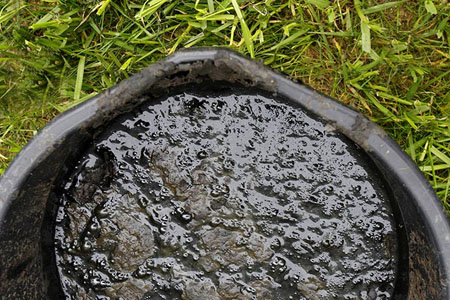
This development will seek to fill a “void” in the organics recycling industry which is currently lacking support for new R&D projects, REAL said.
The Hub will seek to ensure the schemes’ documents remain up-to-date with the technical and legislative developments in the industry. Scientific evidence is needed to support certain changes to the schemes’ documents and these research projects will be funded to provide the necessary evidence, REAL explained.
Soil quality
The Research Hub is being launched this month and the first meeting of the Panel is likely to take place in autumn this year.
In its announcement last week, REAL said: “Ensuring quality of waste and soil is becoming increasingly urgent, particularly as improving soil quality and ending the use of peat in horticulture by 2030 moves up the political agenda.”
Commenting on the news, Justyna Staff, head of the certification schemes at REAL said: “REAL are keen to continue promoting the use of waste derived compost and digestate. Among other actions, this is achieved through continuous stakeholder engagement and providing means for independent certification against end of waste criteria and quality assurance standards.
“The Research HUB will allow us to undertake vital analysis and technical projects to inform any future improvements as we ensure that the schemes are robust and fit for purpose. REAL welcome the support from other stakeholders and we think that this initiative will greatly benefit everyone involved in the organics recycling industry.”
“PAS100 and PAS110 are evolving documents that need to be relevant to today’s market and the Research Hub will assist in achieving this ambition.”
Jeremy Jacobs
REA
Evidence
Jeremy Jacobs, technical director of REA Organics Recycling Group, welcomed the initiative for a research hub, which he said would “fund the evidence gathering required to underpin any future changes to the PAS100 and PAS110 Standards”.
“It has been clear from the current PAS100 revision, that if changes are to be made that will be acceptable to all parties, then it is paramount that there is a sufficient weight of evidence to support change,” he said. “PAS100 and PAS110 are evolving documents that need to be relevant to today’s market and the Research Hub will assist in achieving this ambition.”
William McManus, sector specialist at resources charity WRAP said: “Evidence led solutions are key to driving change. Not only did good science support creation of the end of waste criteria for compost and digestate, but it allowed stakeholders in the food supply chain to open up new markets too. The creation of the Research HUB shows the level of professionalism and pride that compost and AD operators have for their industry.”

Register for free to comment