

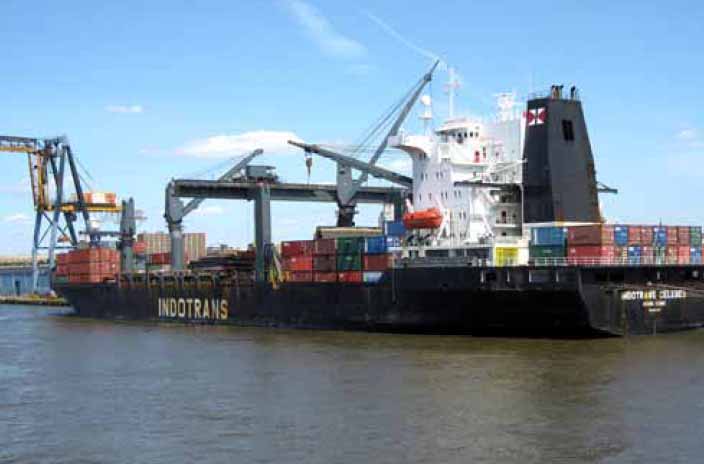
And, the UK's waste paper industry has also commented that sending material to China can be advantageous but there could be problems with contamination.
Using life cycle analysis for paper and plastic reprocessing, Beyond Waste's research found that by sending recyclable waste materials to China for reprocessing, the carbon emissions saved would be greater than those saved by reprocessing in the UK even when accounting for transportation of materials back to China in some cases.
Alan Potter, director of Beyond Waste told letsrecycle.com: “If we want to go with the greatest carbon saving then sending it to China offsets the carbon caused by the manufacturer of goods that China sends to us.”
Benefits
In a research paper penned with Emmanuel Gentil, Mr Potter asserts that a greater global carbon saving can be gained by supplying recyclable material to China, even with China's greater absolute carbon emissions.
However, his document did highlight that when the impact of shipping emissions are taken into account the beneficial impact of China reprocessing British recovered fibres is cancelled out completely, with it being less harmful to use UK-sourced virgin pulp material.
But, Mr Potter acknowledged that there is a significant question mark over how much of the shipping emissions should be attributed to the delivery of recyclables. Mr Gentil will be presenting a paper on this aspect of carbon emissions shortly.
Despite questions being raised over the recovered fibres, the opposite effect was found with second-life plastics with the shipment to China found not to outweigh the carbon effect of reprocessing in China. However, the report also noted that the use of recovered fibre or second-life polymers in production in the UK was ultimately preferred.
PaperChain
UK paper recycling campaign PaperChain has also broadly welcomed the WRAP report but raised concerns about the quality of paper involved in the process, saying that contamination in some the paper being exported to China would lead to it being unable to be turned into it be landfilled or incinerated abroad, negating the carbon savings of export.
The campaign said: “Contaminants cannot be made into new paper products and are likely to either be landfilled or incinerated in China. This leads to a perverse outcome that there is an added carbon cost through the transportation process of waste destined for disposal.”
Commenting on PaperChain's position, Mr Potter said: “I think it's simplistic to say they are just sending it to China for landfill. Providing that exporters are meeting the regulations and the receiving facilities are operating to properly accredited standards, all we are doing is developing a global reprocessing loop, like a closed loop on a global scale.”


Register for free to comment