


The proposals would see the end of mixed recycling, food and green waste collections in the four areas, but residual waste collected weekly rather than fortnightly.

Mr Banwait said the council had written to residents about the proposals and conducted door-to-door surveys in each of the four areas as part of an ongoing consultation. He added that the changes would only be implemented, initially as a trial, if it is supported by residents.
Mr Ranjit said: At the end of the period, it will only be made permanent if it is successful in tackling the issues that have blighted these areas namely bins on the streets, contaminated bins and high levels of fly tipping and general litter.
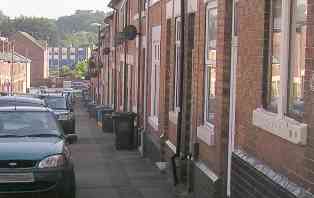
Council cabinet minutes from May state that kerbside collection services are not best suited to 147 streets in Abbey, Arboretum, Mackworth and Normanton, due to the high turnover of tenants and lack of space for wheeled bins.
The city council first revealed it was considering removing brown and blue wheeled bin collection services in almost 150 streets in the city in April, causing disquiet among some Derby residents (see letsrecycle.com story). The brown bins are for commingled food and garden waste, while blue bins are for mixed recyclables.
Costs
According to the council, while increasing the frequency of residual waste collections would cost an additional 120,000 per annum, the withdrawal of the blue bin collection service would make the change cost neutral.
Furthermore, the council plans to start charging 40 for garden waste collections across the city as a whole from October, which it says will bring 1.2 million a year in savings. The city council operates its collection services in-house.
But, Mr Banwaits comments are at odds with the findings of a survey of one of the four areas by campaign group Derby Climate Coalition that the majority of residents believe the plans are a large step backwards.
The Derby Climate Coalition received 276 responses from a survey of 1,000 affected households in the New Zealand area of the Mackworth ward and claims that two out of three people did not want the council to stop providing kerbside recycling.
In its review of the survey results, the campaign group acknowledged that some households do have real problems in managing the multiple wheeled bins collection service at present. However, it argues that such problems would still exist with only black bins, because their properties are not suited to this type of service.
As a result, the Coalition argues that the New Zealand area should be provided with clearer information about waste and recycling services and that residents should have the same bin service as the rest of the city with the opportunity to pay for a garden waste collection service.
Peter Robinson, chairman of Derby Climate Coalition, said: We are a little bit annoyed with the councils way of handling this. We also dont know what questions the council has been asking residents in its consultation or if residents have been offered an alternative to these proposals, but if you go and talk to people one-to-one as we have, you get a better average cross section of people.


Register for free to comment