


Academics from the University of Warwick said the use of organic waste composts can cut plant diseases by up to 72% compared to using peat or soil alone.
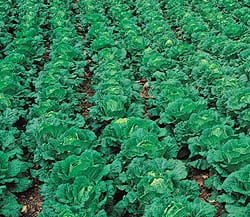 Commercial growers could gain “significant rewards” using compost made from organic waste, researchers said |
And, the research suggested using compost made using recycled paper or waste fibres from the papermaking industry can achieve similar results.
The disease-fighting properties of composted organic waste come because microbes within the material suppress plant diseases, researchers said. These microbes, which are not found in ordinary peat, mean gardeners do not need to use as much chemicals on their gardens.
The University's plant research department found that replacing just 20% of the volume of soil or peat by compost made from organic waste can bring “major disease control benefits”.
Professor Ralph Noble, who led the research, said: “This research shows that the use of such compost could provide clear commercial benefits to growers and ecological benefits for us all.”
Professor Noble noted that there needed to be further tests on using composts for a wide range of commercial crops, but added: “Those growers who do change from using 100% peat could literally reap significant rewards.”
Paper
The Warwick research – funded by the Waste and Resources Action Programme (WRAP) – also found that compost made from paper waste provides “much the same disease suppressing effect” as compost made from green waste.
As well as suggesting a use for paper waste generated by offices and homes, the findings suggest an end use for waste paper fibres that cannot be made into new recycled newsprint.
Professor Noble explained: “During paper recycling production a large proportion of the fibres cannot be recycled. The useable fibres are taken out to make new newsprint, and the small fibres are no longer usable, they're a waste by-product. In Britain, about half a million tonnes of these small, unusable fibres are produced each year.
| Related links: |
“They have a potential use in growing media because they hold a lot of water, just like peat and, being a waste product, they have no other value. Obviously materials that are going to replace peat have to be very cheap or waste by-products. So, paper wastes fit this bill in terms of being cheap and they also hold a lot of water, which is what you need for plant growth,” the Warwick professor added.
A new quality protocol is currently being developed by the Environment Agency and WRAP as a basis for de-classifying composted material as a “waste” (see letsrecycle.com story).


Register for free to comment