


Concerns raised over projections of energy recovery capacity in the Devon Waste Plan will form part of an Inspectorate hearing in Exeter later this month.
Due to take place from July 15 -23, the examination will look at consultation responses that claim there are unrealistic provisions in place for waste incineration in the county, and a lack of planning for alternative treatment technologies.
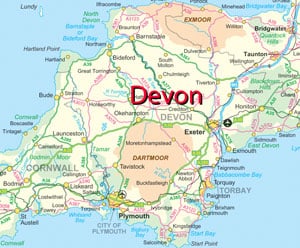
Devon county council has been preparing the Waste Plan since 2010, which seeks to establish the overarching principles and policy direction for waste planning in Devon, as well as identifying potential sites for waste management activities.
The Devon Waste Plan which will replace the current Waste Local Plan was submitted for a final consultation period in December 2013, and submitted to the Secretary of State for examination in April this year.
If approved, the Plan is scheduled to be adopted by the end of 2014 and will run until 2031 with the aim of reducing the amount of waste landfilled in the county from around 45% to 5%.
Capacity
In the draft Plan, the council stated: An assessment of permitted facilities and those currently under construction indicates that future available energy recovery capacity is likely to be in the region of 212,800 tonnes per annum.
At present, two major energy-from-waste projects are under development in Devon – Viridors 60,000 tonne-a-year capacity plant in Exeter, which entered the second phase of commissioning in April and MVV Environments 245,000 tonne-a-year CHP incinerator in Devonport Docks, Plymouth which will become operational in 2015 (see letsrecycle.com story).
The draft Plan continues: In this context there is a need for further energy recovery provision to manage an additional 224,300 tonnes of waste in order to achieve a combined recycling and energy recovery rate of 100% of local authority collected waste and commercial and industrial waste.

According to the council, energy recovery is defined as the recovery of energy in the form of power, heat and/or fuels from waste materials using biological or thermal treatment.
Alternatives
However anti-incineration groups, including Devon Alliance for Incineration Alternatives, have questioned how the additional recovery capacity figure was calculated, and are also concerned the plan has no appropriate encouragement for alternative technologies such as gasification.
One respondent to the consultation wrote: It is unsound and not effective to resort to incineration given comments made in paragraph 2.4.8 about increasing recycling targets and handling waste further up the waste hierarchy which would be more in line with national government and European policy.
New, future commissioned energy from waste facilities should be limited to AN, gasification, pyrolysis and other advanced thermal treatment facilities not incineration.
CHP
Concerns were also raised whether a district heating scheme for Plymouth residents which MVV has proposed could be delivered from its CHP-enabled incinerator can be realistically achieved.
Related Links
Defending the draft Plan, councillor Jerry Brook, chairman of Devon county councils development management committee, said: It has to be remembered that the Plan is a planning document, which sets out a framework of policies and site proposals. Therefore it takes a technology neutral approach and does not specify what type of technology could be used because it has to look so far ahead.
While participation in the hearings is limited to people who have already responded to the Waste Plan consultation, any person can attend and observe proceedings.


Register for free to comment