

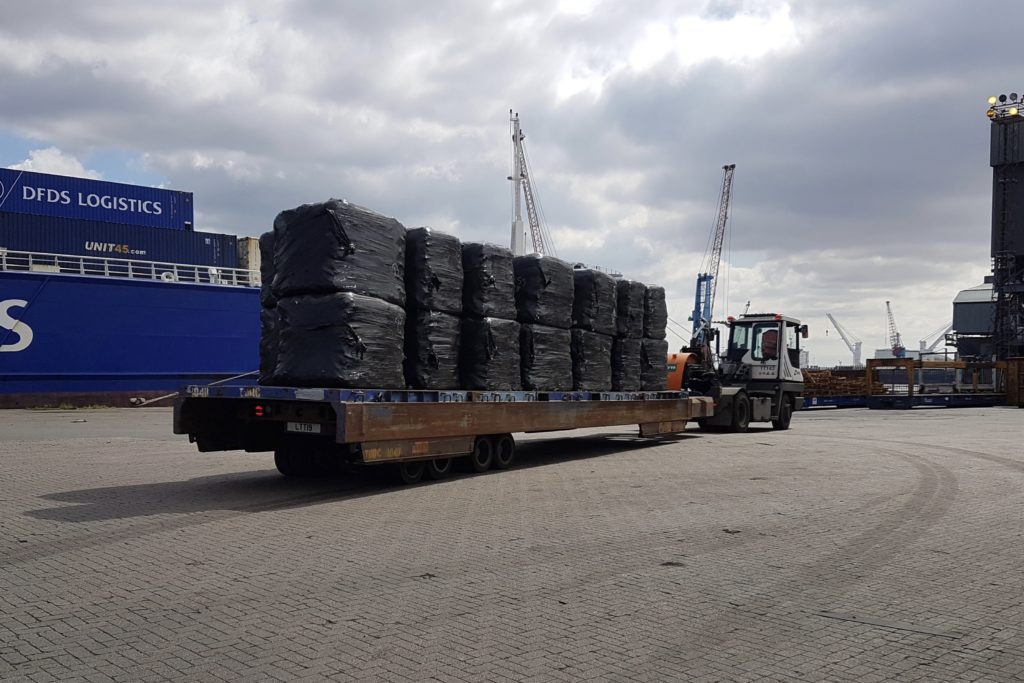
Exporters of waste in or out of England must get approval from the Environment Agency in the form of Transfrontier Shipment of Waste (TFS) notification.
The RDF Industry group, which represents 35 organisations from across the European waste derived fuel supply chain, says TFS applications should be assessed for completeness within three working days of receipt.
However, the group warned that due to resourcing shortages at the Agency this is now taking seven weeks, a delay which it understands “likely to continue until the summer of 2023” while new staff members are fully trained.
The letter to the Agency this week has said while the group is pleased the Agency has been open about the delays, it could have “major impacts” on the sector.
The letter said: “Delays in getting TFS notifications approved can mean delays in the subsequent treatment of that residual waste. Waste derived fuel can only be stored for three months without enhanced fire prevention plan procedures in place, meaning that any unplanned-for delays could result in alternative treatment needing to be put in place for the waste.
“As there is a lack of non-landfill residual treatment capacity in the UK, this could jeopardise the diversion of residual waste from landfill.”
England
The RDF Industry group’s membership spans the majority of the companies which export waste derived fuel from the UK.
However, it said these delays are only be being experienced by the Environment Agency, which processes applications from English businesses.
In the letter, the group also warned that the delays may also result in increased costs for its members through additional storage needed.
“Uncertainty may also damage existing and potential commercial relationships and contracts between UK-based waste collectors and exporters, and off-takers in Europe,” the body added.
The letter continued: “Delays to TFS notifications may also have a reputational impact for UK businesses when it comes to commercial relationships in Europe. Parts of Europe with excess capacity to produce low carbon electricity and heating (through waste recovery) are crying out for reliable sources of waste to ensure reliance on fossil fuels can be reduced. These off-takers may look elsewhere for suppliers if waste from England is associated with unnecessary delays.”
The impacts of these delays are widespread and costly
- Andy Jones, chair of the RDF Industry Group
Market
According to the group, the RDF export industry is worth circa £0.2 billion annually and supports over 3,000 additional jobs in England.
Andy Jones, chair of the RDF Industry Group, said: “Our members continue to express concerns about the delays in approving TFS notifications in the Environment Agency. The impacts of these delays are widespread and costly, and are damaging the UK’s status as a key exporter of waste-derived fuel on the continent.“
“We look forward to receiving the EA’s response to this letter, and will continue to feedback ideas on how TFS notification assessments can be improved.”

Register for free to comment