


Organics recyclers have called for a duty of care to be imposed on local authorities in a bid to ensure that material sent for composting and anaerobic digestion is of high enough quality to meet the standards for the intended end market.
And, at the REAs Organics Recycling Groups annual conference which took place on Thursday (March 20), attendees called for the government to incentivise the collection of food waste in a bid to divert the material from landfill and reduce the amount of crops grown for fuel. The event, which was organised by letsrecycle.com, was held at Staverton Park Hotel in Northamptonshire and saw a number of key topics discussed including funding, regulation and technical competence.
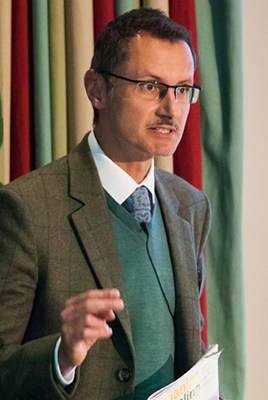
Following a presentation on stability testing in the biowaste industry, Alexander Maddan, chief executive of organics recycling firm Agrivert and chair of the Organics Recycling Group, asked the audience whether it would be right for collection authorities to have a duty of care to clean up the material which was collected for composting and anaerobic digestion.
David Tompkins from WRAP said: In an ideal world that would be marvellous and if we could incentivise local authorities to that then that would be even better.
In a presentation earlier in the day Mr Tompkins said he had received complaints about material which was going to PAS 100 or 110 certified sites which was not achieving the PAS standard. As such he queried whether there was an easier way to check the material before it was accepted on site.
Another member of the audience questioned whether the industry could work with the regulator to create a duty of care, similar to that imposed on materials recycling facilities, to composting sites. He said: We want the regulator to assess what is coming into our sites.
Food vs. Fuel
In a debate on food vs. fuel, a panel led by Mr Maddan questioned whether it was right to use crops as a source of fuel for anaerobic digestion plants and similar facilities when they could be used as food. Members of the panel and audience argued for both sides but many agreed that a balance should be struck as both food and fuel as both play a vital part in the development of a sustainable future.

Raquel Carrasco, head of technology for Veolia Environmental Services, questioned why the government was incentivising the production of energy crops and not collections of organic waste. She said: To me it seems a bit crazy that the government is subsidising the production of energy crops when there is about seven million tonnes of waste that is going to landfill. She added: Should they not be subsidising the collection of food waste that is going to landfill?
Mr Maddan responded: That is a tremendous point that I dont think anyone in this room wouldnt agree with that. A landfill ban for food which would mean so much in England might solve many problems and would allow the likes of some people to bring in more food waste and less maize.
Regulation
Representatives from the sectors regulators were also present with presentations given by the Environment Agency, Health and Safety Executive and Animal Health and Veterinary Laboratories Agency.
James Finch and Adam Lech from the EA discussed the Agencys business placement scheme a programme of work which sees officers undertake placements on organics recycling sites in a bid to gain a better understand of the challenges they face as well as building a better relationship with those involved.
Mr Lech reassured the audience that it wasnt an extra-long inspection. He said: What it is about is us gaining that technical knowledge but more so about understanding your perspective so we are seeing it from operator and getting to engage with them on a level that we normally dont do.
Mr Finch added: At the minute we have only got a couple of companies that have stated their interest in this so we are encouraging you to sign up and take partwe recognise that you will be concerned about having an EA officer on your site but I wouldnt be. We understand that there is a commercial confidentiality so there is a contract to sign to protect against this.
Gala dinner
The conference was followed by a gala dinner which saw 1,250 raised for charity from a game of Heads of Tails run by Bill Griffiths of Viridor. An auction of a landscaped JCB model raised a further 400. The money will be donated to the Neuroblastoma Society a charitable organisation which helps families affected by this rare and aggressive form of childhood cancer.
Jeremy Jacobs of the ORG and technical director of the Renewable Energy Association, said: “I was delighted with ORGs 19th Annual Conference, Exhibition and Gala dinner. The quality of debate at the event was of a very high standard and covered the hot topics facing industry in these challenging times. The evening dinner was great fun and particularly gratifying due to the generosity of all in raising 1600 for Neuroblastoma, this childhood cancer which affected my son Benjamin continues to afflict many young children and work continues apace to find a more effective cure.
“Many thanks to delegates, sponsors and speakers alike for supporting the organics event of the year.”


Register for free to comment