


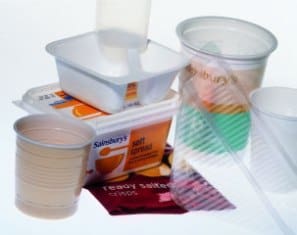
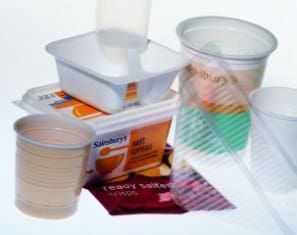
Biffa Polymers, the operator of the UKs largest facility for the recycling of mixed plastic pots, tubs and trays (PTT), says that the poor quality of the material available in the UK has meant that recycling the material is currently not viable.
Now Biffa Polymers, part of waste management firm Biffa, is set to reopen its mixed plastics recycling facility in Redcar, North Yorkshire after it mothballed the site in January 2013, but will instead use the equipment to process polypropylene bales.
The 20,000 tonne-a-year capacity plant was the first substantial facility of its kind in the UK to process post consumer mixed rigid plastics, having opened in March 2011 with the aid of a 1.187 million grant from the Waste & Resources Action Programme (WRAP).
Material processed at the plant was sourced from kerbside collections with some of the outputs from the plant processed through Biffas food grade HDPE recycling facility on the same site.
But, Biffa took the decision to close the site early this year, after finding that the high level of contamination in mixed plastic rigid pots, tubs and trays sourced from the UK meant that the plant could not operate at a financially viable level.
Yield
Speaking to letsrecycle.com, Chris Hamlin, commercial manager, Biffa Polymers, said: We designed it as a mixed plastics plant for post consumer plastics. We tried for 18 months to get the plant to sort and segregate into mixed polymers and colours. In December we decided the yield we were getting from the feedstock we were putting in was too low so we took the tough decision then to mothball the plant.
Until the market changes and quality improves and it becomes more plastic rich we dont feel it is economically viable. At the moment if you see how pots, tubs and trays are generated it is just what is left at the back end of a MRF and until the infrastructure is there to sort it from the rubbish the yield is not high enough.
Instead Mr Hamlin explained that the company has opted to use the sorting equipment to process polypropylene (PP) bales, for which there is a greater surety of supply in the UK and for which end markets are more established.
Reopening
The plant reopened last month with Biffa expecting to run facility close to full capacity by the end of September. All 30 staff who operated the mixed plastics sorting and shredding line are set to return to work.

Increasing numbers of local authorities have begun collecting mixed PTT in recent years, with figures published by the Advisory Committee on Packaging (ACP) last year suggesting that as many as 35% of councils now collect the material (see letsrecycle.com story).
However demand for the plastics in the UK is low, with some facilities charging gate fees of up to 40 per tonne to accept the material, while other industry sources have argued that end markets do not exist to justify collecting it in large quantities (see letsrecycle.com story ).
Mixed plastics PTT are seen as a difficult target material for local authorities and waste companies with councillors and members of the public often wanting PTT recycled along with bottles which have established markets.
Related Links
Some local authorities find the public place yoghurt pots and trays into collections even when these are not requested. Now, PTT is expected to become a bigger challenge in recycling terms for if it is collected separately it may have to go for energy recovery either in the UK or within refuse derived fuel for export.
One leading German recycling expert told letsrecycle.com: Mixed plastics of yogurt pots and similar domestic material cannot be sensibly recycled.”


Register for free to comment