

The data, published last week, covers the third quarter of the year (July to September) and suggests that overall a total of 434,741 tonnes of waste electrical and electronic equipment (WEEE) has been collected from household sources during the course of the first nine months of the year.
Of this tonnage, 142,931 tonnes was collected in the third quarter of the year. This means that around 79% of the overall target has been met throughout the year to date. An additional 109,601 will need to be collected in the final three months of the year for overall targets to be met.
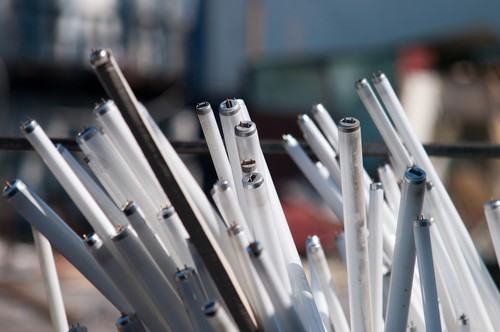
However, one area of concern highlighted in the figures will be an apparent shortfall in the collection of lamps – which is only around two thirds of the way towards its overall collection target of 6,882 tonnes.
Targets
WEEE compliance experts claim that the shortfall has arisen due to a huge increase in the overall target for the collection of lamps – which was brought in to account for changes in the classification of ‘dual use’ WEEE.
Definitions of household and non-household WEEE were amended after the UK’s classification of household and business WEEE were found to be at odds with that held by the European Commission.
The difference centred on the interpretation of ‘dual use’ WEEE, which could conceivably be used in business or by consumers. In the UK, the definition was also qualified by the quantity of WEEE being presented for collection.
The change saw a significantly higher proportion of lamps enter the ‘household’ WEEE system, and fall under the scope of the target – a fact that saw the 2016 target set at a far higher level than in 2015 when the collection goal was 2,680 tonnes.

The latest figures indicate that lamp collections have increased in 2016 – although not at a high enough level likely to be needed to meet the collection target for the year.
Compliance fee
According to Nigel Harvey, chief executive of the lamp recycling compliance scheme Recolight, schemes will likely need to use the ‘compliance fee’ – to meet their obligations for the year.
He said: “The Q3 lamp data shows there could be shortfall of around 1,000 tonnes by year end. In 2016, the national target set was 6,882 tonnes. That was much higher than 2015, given that most waste lamps would be classified as household in 2016. The shortfall means a 2016 compliance fee will be necessary – at least for the lamps category – to allow PCSs to comply with their 2016 targets.
“A higher target in 2016 was the right decision – but actual collections will inevitably deviate from the target.”
“The shortfall means a 2016 compliance fee will be necessary – at least for the lamps category – to allow PCSs to comply with their 2016 targets.”
Nigel Harvey
Recolight

Mark Sayers, principal consultant at Ecosurety, added: “The net WEEE collection up to Q3 is over, which is a relief, but there will be a headache for compliance schemes and producers so close to the end of the year because the report strongly suggests the number of lamps collected will not meet that individual target.
“We will be speaking to our members and urging them to increase their collection of lamps wherever possible so that we can recycle this waste stream, and help lamps meets the target by 31st December. If the UK doesn’t hit the target, schemes and producers could fall into the compliance fee scheme, which will be costly.
“We also noticed that the display category overshoot was caused in part by waste collections not aligned to schemes. While it’s great news that target looks likely to be exceeded, we will be talking to Defra about how to better align the costs incurred for treatment of this WEEE, and the actual source of this display waste stream.”

Register for free to comment