


And PVC recyclers are expecting a further boost in 2008, if the Quality Protocol for non-packaging waste plastic – now out to consultation – is implemented (see letsrecycle.com story).
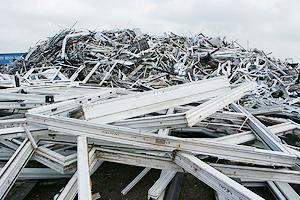
There are nine countries presently involved in the Recovinyl initiative – Belgium, Denmark, Germany, France, Italy, Ireland, the Netherlands, the UK and Spain. They aim to jointly recycle 200,000 tonnes of non-packaging, post-consumer PVC by 2010 and this figure is expected to reach 99,000 tonnes by the end of 2007.
There are 30 recyclers and reprocessors signed up to Recovinyl in the UK and Salford-based company, Axion Recycling, is the company co-ordinating the initiative.
Company director Roger Morton explained that incentive payments made by Recovinyl to companies to invest in infrastructure, were helping boost the amount of PVC-U captured from the waste stream.
He said exceeding the target was a “tremendous achievement” and added: “Much if it was helped by growth in the recycling infrastructure which has made it easier for businesses to recycle rather than landfill their waste PVC-U.”
Mr Morton also explained that tonnage had been boosted because more material was coming into the waste stream as awareness increased among construction and refurbishment companies that it could be recycled.
In 2008, Recovinyl will be targeting the public sector including the Arms Length Management Operations, which have secured council house refurbishment contracts. This should see more waste window frames, pipes and guttering recycled.
The organisation is also working with major retailers such as B&Q to encourage the use of more recycled PVC content in products.
Protocol
Consultation on the Quality Protocol ends in March and if this is implemented, it will not only see the waste tag removed from the chips – meaning less paperwork when it comes to regulations – but also energy savings and an environmental impact.
Mr Morton explained: “The Protocol will increase the marketability of PVC recycling. And, it means recyclers can sell it as a product without having to worry about waste legislation or worry their customers about waste legislation – providing they are doing it in a responsible manner.”
Presently, chips must be melted into pellets for the waste tag to be removed, which involves an additional heat process.
Axion Recycling reprocesses PVC at its plant in Salford, near Manchester, and Mr Morton said that many buyers would prefer to buy PVC as chips but choose not to do so because of its waste classification which involves overcoming regulatory barriers.
Not only would customers benefit, he added, but carbon savings would result by cutting out the additional heat process required to turn the material into pellets and it also means the material will degrade less quickly.
Mr Morton said: “By cutting bureaucracy and paperwork, the proposed protocol will improve the attractiveness of plastic material as a product, rather than waste, to potential customers. That can only be good for the industry and the environment.
“By not extruding the material, it first saves on energy, cuts the cost to customers and prolongs the life of the polymer.”

Register for free to comment